Hapag-Lloyd flags higher costs from Red Sea disruption, warns recovery will take time
By Axel Miller | 08 Apr 2026
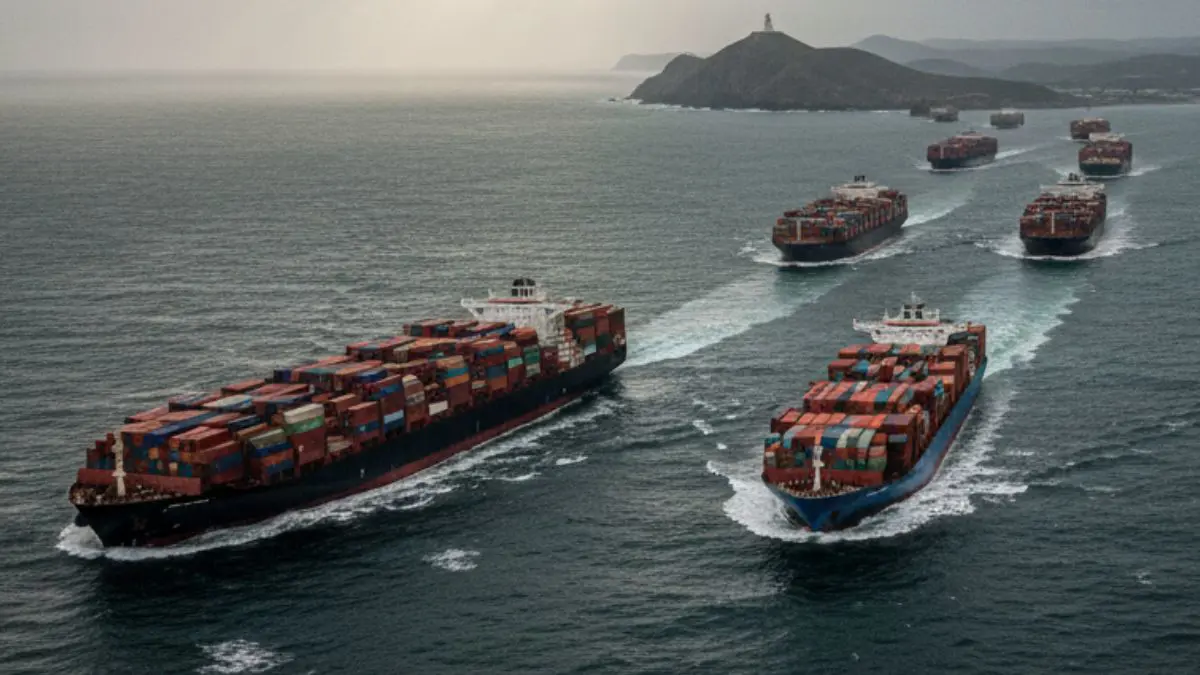
Summary
Hapag-Lloyd has warned that ongoing geopolitical tensions are increasing operating costs and disrupting global shipping, with management indicating that even if conditions improve, it could take several weeks for supply chains to return to normal.
FRANKFURT, April 8, 2026 — Hapag-Lloyd has highlighted the financial and operational strain caused by continued disruptions to key global shipping routes, with Chief Executive Rolf Habben Jansen stating that elevated fuel costs, longer sailing routes and higher insurance premiums are weighing on the company’s performance.
The company has indicated that additional weekly costs are running into tens of millions of dollars, primarily due to rerouting vessels around conflict-affected areas and rising war-risk surcharges, although precise figures may vary depending on market conditions.
Disruptions centered beyond Hormuz
While earlier concerns have focused on the Strait of Hormuz, most verified industry reports point to disruptions in the Red Sea region, where shipping lines have been diverting vessels around the Cape of Good Hope, significantly increasing transit times.
Shipping companies, including Hapag-Lloyd, have avoided certain high-risk routes in order to ensure crew safety and maintain operational continuity.
Recovery expected to be gradual
Executives have cautioned that even if geopolitical tensions ease, restoring normal shipping schedules will take time due to vessel repositioning, port congestion and backlog clearance.
Industry estimates suggest that supply chains may require several weeks to stabilize once routes are fully reopened.
Cost pressures likely to persist
The increase in operational costs is expected to be partly passed on to customers through higher freight rates and surcharges, reflecting broader trends across the global container shipping industry.
Why this matters
- Highlights ongoing vulnerability of global shipping routes
- Signals continued pressure on freight costs and trade flows
- Reflects wider supply chain disruptions beyond a single chokepoint
- Indicates delayed normalization even after tensions ease
- Impacts global trade, inflation and inventory cycles
FAQs
Q1. Is the $60 million weekly cost confirmed?
Costs are reported to be significant, but exact figures can vary and are not always consistently disclosed.
Q2. Are ships stranded in the Strait of Hormuz?
Most verified disruptions relate to the Red Sea region rather than large-scale vessel trapping in Hormuz.
Q3. How long will recovery take?
Shipping companies indicate it could take several weeks after conditions stabilize.