Tata Motors opposes CAFE relaxations for small cars, warning of safety risks
By Cygnus | 18 Dec 2025
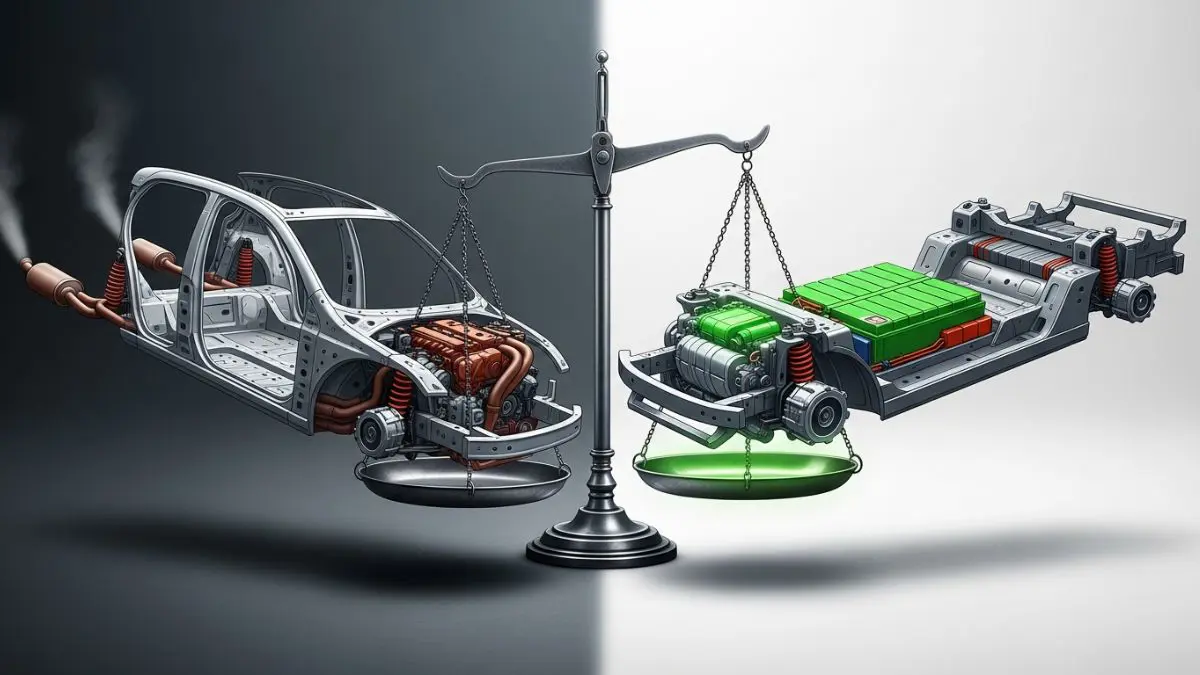
Tata Motors has formally petitioned the Indian government to reject proposed exemptions for small petrol vehicles under the upcoming CAFE (Corporate Average Fuel Efficiency) norms, arguing that such waivers would derail India’s electric vehicle (EV) momentum and incentivize unsafe vehicle design.
In a letter addressed to the Prime Minister’s Office (PMO) on Thursday, the country’s leading EV manufacturer opposed draft regulations that offer leniency to petrol cars weighing up to 909 kg. The company warned that creating a “special sub-category” for these vehicles would dilute the regulatory pressure needed to force a shift toward zero-emission technologies.
“India is at a critical inflection point,” Tata Motors stated, noting that EVs now account for nearly 5% of passenger car sales. The automaker argued that exempting entry-level petrol models from stringent efficiency targets would encourage manufacturers to double down on legacy combustion engines rather than investing in electrification.
Safety compromise fears
Beyond emissions, Tata Motors flagged a critical safety concern. By linking regulatory relief to vehicle weight (capping it at 909 kg), the policy could inadvertently push Original Equipment Manufacturers (OEMs) to strip weight from vehicles.
“This risks reversing the significant progress made in structural safety and crash-worthiness over the last five years,” the company noted in its submission. Manufacturers might compromise on steel quality or safety features to meet the weight threshold for the exemption.
The CAFE III battleground
The debate centers on the CAFE III regulations, which will apply from April 2027 to March 2032. While the government aims to tighten fleet-wide carbon targets, it has proposed concessions for smaller, affordable cars to protect the entry-level market, a segment where sales have slumped throughout 2025.
However, Tata Motors contends that CAFE compliance is calculated at a fleet level. By removing the pressure on small petrol cars, rival automakers would feel less urgency to launch EVs to offset their overall fleet emissions, effectively punishing companies that have invested billions in green technology.
Summary
Tata Motors has urged the PMO to reject a proposed 909 kg weight-based exemption for small petrol cars under the upcoming CAFE III fuel efficiency norms (2027–2032). The automaker argues that such relaxations would stall EV adoption and could compromise vehicle safety by incentivizing manufacturers to reduce car weight at the cost of structural integrity. This move creates a significant policy rift between Tata and other OEMs seeking relief for the struggling entry-level car segment.
Frequently asked questions (FAQs)
Q1: What are CAFE norms?
CAFE (Corporate Average Fuel Efficiency) norms limit the average carbon emissions of a carmaker’s entire annual fleet. Companies must sell fuel-efficient cars or EVs to balance out heavier, higher-emission vehicles.
Q2: What is the proposed exemption?
The government is considering easier targets for petrol cars weighing less than 909 kg to keep entry-level cars affordable for first-time buyers.
Q3: Why does Tata Motors oppose this?
Tata argues that all cars should face strict targets to force a transition to EVs. If small cars get a pass, rivals won’t need to sell as many electric cars to stay compliant.
Q4: What is the safety risk?
If the rules reward cars for being under 909 kg, makers might use thinner steel or fewer safety components to hit that weight, potentially lowering crash safety ratings.
Q5: When do CAFE III rules start?
The third phase is scheduled to begin on April 1, 2027, and run through March 2032.

























