Saudi Arabia permanently scraps expat worker fees for industry to boost manufacturing
By Cygnus | 19 Dec 2025
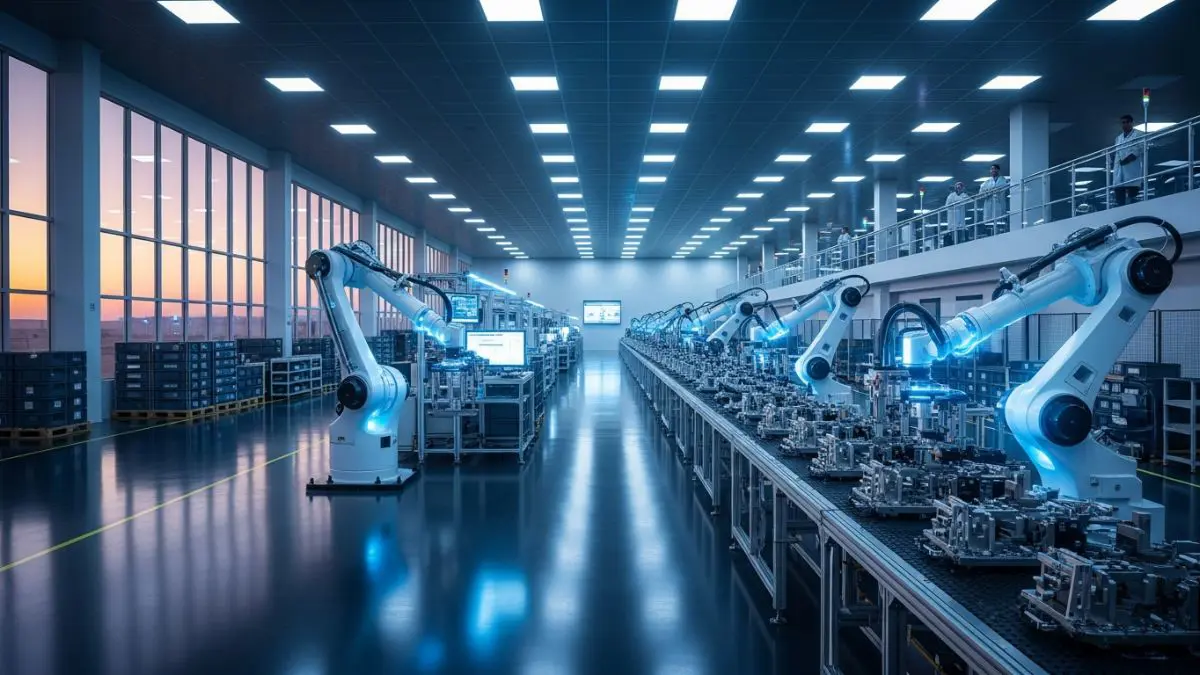
Saudi Arabia has permanently abolished levies on expatriate workers in the industrial sector, cementing a policy shift aimed at lowering operational costs and accelerating the Kingdom's transition into a global manufacturing hub.
The decision, approved by the Council of Ministers on Wednesday, replaces a temporary waiver system that has been in place since 2019 and was set to expire on December 31, 2025. By making the exemption permanent, the government aims to remove a significant layer of fiscal uncertainty for global and local investors.
Impact on competitiveness
Minister of Industry and Mineral Resources Bandar Alkhorayef described the move as a strategic catalyst. “This decision provides the long-term visibility required for factories to reinvest operational savings into automation and artificial intelligence,” he said in a statement to the Saudi Press Agency (SPA).
Since the initial waiver was introduced five years ago, the Kingdom’s industrial base has expanded rapidly. The number of operational factories has surged from 8,822 to over 12,000, while total capital investment in the sector has climbed 35% to reach SAR 1.22 trillion ($325 billion).
Vision 2030 alignment
The permanent removal of fees is designed to support the goals of Vision 2030, specifically the target to triple industrial GDP to SAR 895 billion by 2035. By reducing the cost burden on labor-intensive manufacturing, Riyadh hopes to make “Made in Saudi” non-oil exports more price-competitive in international markets.
While the fee exemption applies specifically to licensed industrial establishments, it remains distinct from broader labor market reforms. Officials emphasized that the policy does not dilute “Saudization” (localization) mandates, but rather strengthens the sector's ability to create high-value technical jobs for Saudi nationals by transitioning away from low-skill labor models.
Summary
Saudi Arabia has officially and permanently cancelled the “expatriate levy” for all licensed industrial facilities, moving away from the temporary waiver system that began in 2019. The move, approved by the Cabinet, aims to solidify the Kingdom's manufacturing base, which has already grown to 12,000+ factories and $325 billion in investment. The policy is designed to lower operating costs, accelerate AI/Automation adoption, and help triple industrial GDP by 2035.
Frequently asked questions (FAQs)
Q1: What exactly was cancelled?
The monthly “financial levy” per foreign worker that industrial firms had to pay the government.
Q2: Is this a temporary extension?
No. After two extensions since 2019, the government has now made this cancellation permanent.
Q3: Which businesses benefit?
Only licensed industrial establishments holding a valid manufacturing permit from the Ministry of Industry.
Q4: How has the sector performed since the waiver began?
Industrial GDP has risen by 56% (to over SAR 501B) and the total workforce has grown 74% since 2019.
Q5: What is the 2035 target?
Saudi Arabia aims to triple its industrial GDP to SAR 895 billion as part of its drive to become a global industrial powerhouse.

























