Centre allows ethanol production from sugarcane juice, B-heavy molasses
16 Dec 2023
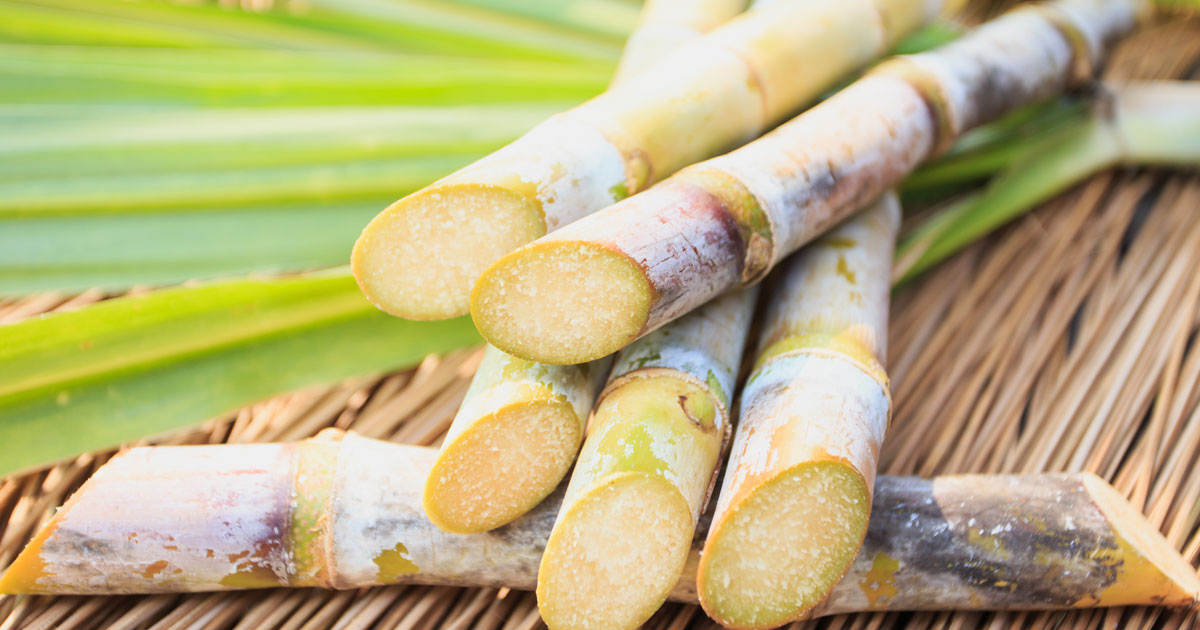
A week after prohibiting the use of sugarcane juice and sugar syrup for making ethanol, following industry pressure, the government on Friday reversed its decision and allowed the use of the juice as well as B-heavy molasses for producing the bio-fuel.
The decision comes after representatives of sugar industry sought a review of the 7 December order that banned use of cane juice and sugar syrup for the production of ethanol.
A committee of ministers took the decision on Friday following a review of the earlier decision to prohibit the use of sugarcane juice and B-heavy molasses for ethanol production. The government is expected to issue a fresh notification in this regard.
The order permits production and supply of ethanol using B-heavy molasses for meeting current requirements of oil marketing companies (OMCs). However the government has capped sugar diversion at 17 lakh tonnes in 2023-24.
While some quantity of ethanol has been produced using cane juice in the current supply year, the capping will be in place for the 2023-24 supply year that ends in October next year, according to government sources.
"The flexibility has been given to sugar mills for using both sugarcane juice and B-heavy molasses within an overall cap of 17 lakh tonnes of diversion of sugar for making ethanol in the ongoing 2023-24 supply year (November-October period)," a PTI report quoted food secretary Sanjeev Chopra as saying.
Meanwhile, sugar mills have demanded a revision of ethanol prices produced from B-heavy and C-heavy molasses, a by-product of sugar.
Sugar production in India is expected to decline to 32-33 million tonnes in the 2023-24 season (October-September) as against 37.3 million tonnes in the previous season, as per government estimates.
India exported 6.4 million tonnes of sugar in the 2022-23 marketing year (October-September).

























