Rupee emerges Asia’s best performing currency
16 Oct 2013
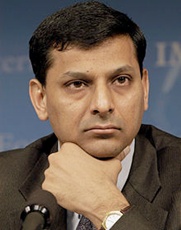 The Indian rupee has emerged as the world's favourite currency from the lows as Asia's worst performer in less than a month after the new RBI governor Raghuram Rajan took charge at the central bank.
Although Rajan had cautioned that he had no magic wand to set right all issues in a short time, the rupee's fortunes changed almost overnight.
The rupee, which had declined 17.20 per cent against the greenback during January-September, had gained 9.5 per cent by close of trade on 15 October.
The rupee closed at 61.545 per dollar on Monday in Mumbai, up 12 per cent from the all-time low of 68.845 hit on 28 August.
The rupee, which was ruling around levels of 54 to a dollar in May 2013, had plummeted to a lifetime low of 68.85 to a dollar on 28 August.
Rupee got a boost as investors selling dollars to buy rupees earned 10 per cent since Rajan took over on 4 September - the most among 44 currencies – according to Bloomberg.
Investors betting on one-month implied volatility have now become more confident in the rupee than for any currency in Asia or the BRIC nations, which also include Brazil, Russia and China, according to Bloomberg.
Soon after Rajan took over as governor, RBI announced a special swap facility for banks bringing in foreign currency non-resident deposits as a measure to support the rupee.
RBI also doubled the overseas borrowing limit of banks.
These measures together helped attract inflows of $5.6 billion so far and is expected to rake in around $15 billion by the time the window closes in November.
In a bid to limit volatility in the spot currency market, RBI also started direct sale of dollar to oil importers like Indian Oil Corporation, which account for the bulk of dollar demand by importers.
Oil importers on an average buy $400-500 million daily and the opening of a special window for them eased pressure on the rupee in the forex market.
RBI also enhanced the limit for exporters to re-book cancelled forward exchange contracts to increase liquidity in the currency market.
The Federal Reserve's decision to postpone the tapering of its quantitative easing (QE) programme also aided the reversal of rupee's fall.
The Federal Open Market Committee (FOMC) decision in mid-September helped most emerging currencies, including the Brazilian Real, South African Rand and the Russian Rouble to gain value and stabilise.

























