FMCG firms flag cost pressures as input inflation and monsoon outlook weigh on margins
By Axel Miller | 08 Apr 2026
Summary
Indian consumer goods companies including Godrej Consumer Products, Marico, and Dabur have indicated rising input cost pressures linked to crude derivatives and edible oils.
A below-normal monsoon forecast by Skymet Weather could weigh on rural demand recovery.
Companies are assessing calibrated pricing actions to protect margins amid a volatile cost environment.
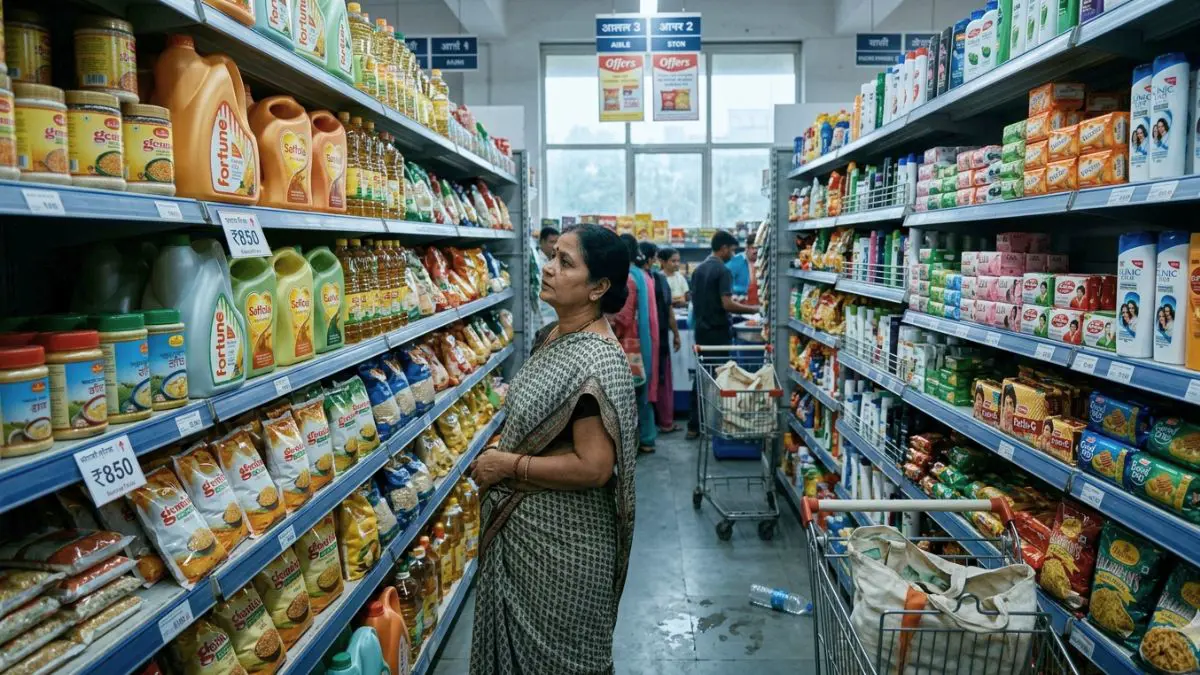
NEW DELHI, April 8, 2026 — Indian fast-moving consumer goods (FMCG) companies are signaling potential price increases as rising input costs and an uncertain monsoon outlook put pressure on margins.
Executives at major firms such as Godrej Consumer Products, Marico, and Dabur have highlighted cost pressures from crude-linked inputs such as packaging materials and surfactants, as well as volatility in edible oil prices, particularly palm oil.
Input cost pressures persist
Although global crude benchmarks such as Brent Crude have shown some recent moderation, companies noted that input costs tend to reflect earlier price trends due to inventory cycles.
As a result, the impact of previously elevated raw material prices continues to be felt in production costs, prompting firms to consider selective price adjustments and cost-saving measures.
Monsoon outlook adds uncertainty
The demand outlook has been further clouded by a forecast from Skymet Weather indicating a “below normal” monsoon for 2026.
Rural demand plays a critical role for FMCG companies, and weaker rainfall can affect agricultural output and income levels, potentially slowing consumption growth in non-urban markets.
Broader consumption trends
Companies have previously pointed to improving demand trends, particularly in rural areas, but analysts say that a combination of higher prices and weather-related uncertainty could moderate growth in the coming quarters.
In the quick-service restaurant segment, operators such as Jubilant FoodWorks have also reported subdued demand trends in recent updates, reflecting broader consumption pressures.
Why this matters
- Highlights rising cost pressures across the FMCG value chain
- Signals potential price increases for everyday consumer products
- Underlines the importance of monsoon performance for rural demand
- Reflects continued volatility in commodity-linked inputs
- Indicates broader consumption trends across sectors including QSR
FAQs
Q1. Why are FMCG companies considering price hikes?
Companies are facing higher input costs from crude-linked materials and edible oils, which are affecting profit margins.
Q2. How does the monsoon impact FMCG demand?
A weaker monsoon can reduce rural incomes, which in turn affects spending on consumer goods.
Q3. Will prices rise immediately?
Price changes are typically gradual and depend on how input costs and demand trends evolve.