Currency Pressure Forces Mercedes-Benz India to Hike Prices by 2% from January 2026
By Cygnus | 12 Dec 2025
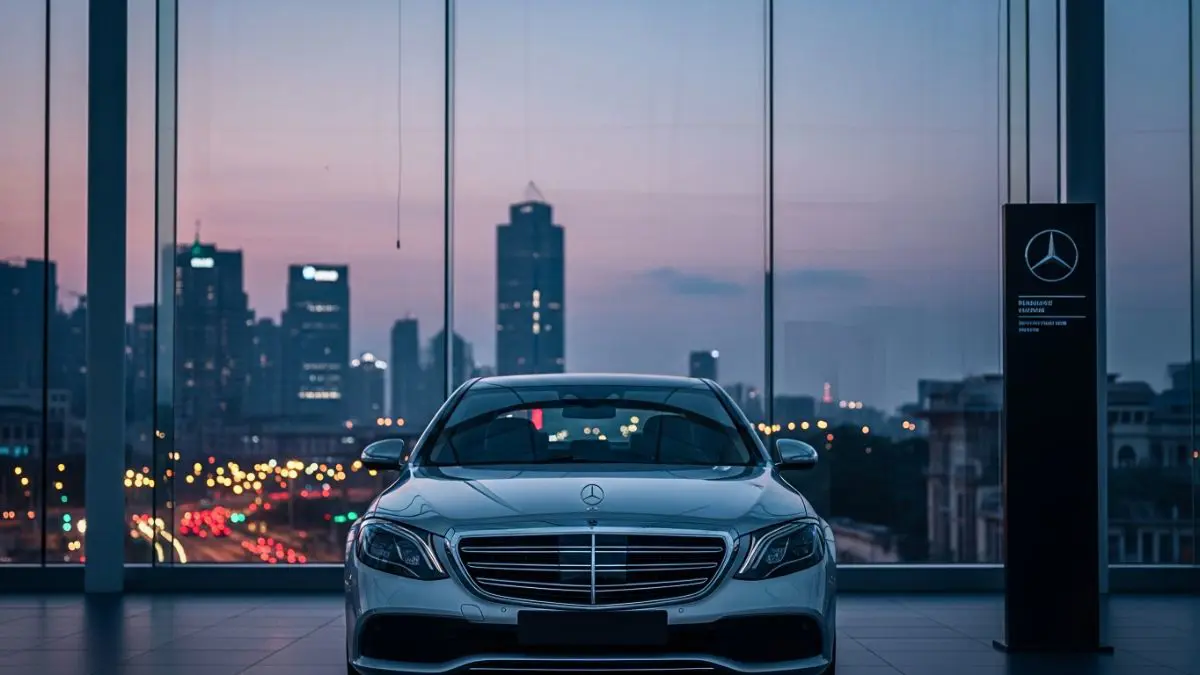
Mercedes-Benz India has announced a 2% price increase across its entire range of vehicles, effective January 1, 2026. The luxury automaker cited ongoing currency fluctuations, rising input costs, and persistent logistical challenges as key factors driving the adjustment.
In a statement, the company explained that while it had largely absorbed these pressures so far, a modest price revision has become necessary to maintain operational stability. “We continue to shield customers from the full impact of adverse economic conditions,” the company said, emphasizing that the hike reflects only a portion of the rising costs.
The price adjustment comes in a year when the euro–rupee exchange rate has consistently stayed above the ₹100 mark, a level considerably higher than historical trends. According to Mercedes-Benz, this volatility affects the entire value chain—from imported components used in local assembly to completely built units (CBUs) imported into India.
Rising Costs and Customer Impact
Santosh Iyer, Managing Director & CEO of Mercedes-Benz India, said, “This prolonged volatility impacts every aspect of our operations. Rising input and logistical costs, combined with inflationary pressures, have significantly increased our overall operational costs.”
He added that reductions in the RBI’s repo rate allow Mercedes-Benz Financial Services to pass benefits to customers, mitigating some of the price increase. The company emphasized that it continues to absorb the majority of cost pressures, passing on only a small percentage to buyers. The 2% hike is intended to balance affordability with the realities of the current exchange rate environment.
Price revisions will vary across models depending on the share of local versus imported components. Vehicles with higher import content or fully imported models are expected to see slightly larger increases, while locally assembled units with greater domestic sourcing may face more modest adjustments.
Mercedes-Benz also indicated that further quarterly price revisions could be implemented in 2026, contingent on future rupee–euro exchange rate movements. The move comes shortly after BMW India signaled plans to revise its vehicle prices amid similar currency pressures.
Summary
Mercedes-Benz India will raise vehicle prices by 2% across its range from January 2026, citing currency volatility, rising input costs, and logistical challenges. While the company continues to absorb most cost pressures, imported and high-cost models will see slightly higher hikes. Further price revisions may occur depending on exchange rate trends.
FAQs: Mercedes-Benz Price Hike in India (Effective January 2026)
Q.1: Why is Mercedes-Benz increasing prices in India from January 2026?
Mercedes-Benz is raising prices due to sustained currency volatility, especially the weakening of the rupee against the euro, along with rising input and logistics costs. These factors have significantly increased the company’s operational expenses.
Q2: How much will Mercedes-Benz vehicles cost after the price hike?
The company has announced a 2% price increase across its entire product range. The specific amount will vary based on the model and its dependency on imported components.
Q3: Which Mercedes-Benz models will be most affected by the price hike?
Models that rely heavily on imported parts or are fully imported (CBUs) are expected to see a slightly higher increase. Locally assembled vehicles with higher domestic content will face a relatively smaller adjustment.
Q4: When will the new prices come into effect?
The revised prices will be effective January 1, 2026.
Q5: Is Mercedes-Benz planning more price hikes in the future?
Yes. The company has indicated that quarterly price revisions may be considered in 2026, depending on how currency exchange trends evolve.
Q6: How has the rupee–euro exchange rate affected Mercedes-Benz pricing?
The euro has consistently traded above ₹100 this year, significantly increasing the cost of imported components and fully imported vehicles. This prolonged volatility has influenced the company’s decision to adjust prices.
Q7: Is Mercedes-Benz offering any relief to customers despite the price increase?
Mercedes-Benz says it continues to absorb the majority of cost pressures and is passing on only a small portion. Additionally, lower RBI repo rates allow Mercedes-Benz Financial Services to offer better financing options to offset some price impact.
Q8: Are other luxury carmakers also increasing prices?
Yes. BMW India has also indicated plans to raise prices due to similar rupee–euro fluctuations, signaling an industry-wide impact.
Q9: Will this price hike affect bookings made before January 2026?
Typically, prices are applied based on delivery month and model allocation. Customers should contact dealerships to confirm whether their existing bookings are protected from the hike.
Q10: How can customers minimize the impact of the price hike?
Customers can consider booking their preferred model before the hike takes effect or exploring flexible financing options through Mercedes-Benz Financial Services.

























