Iran war to weigh more on Indian growth than inflation, keeping interest rates low
By Cygnus | 05 Mar 2026
Summary
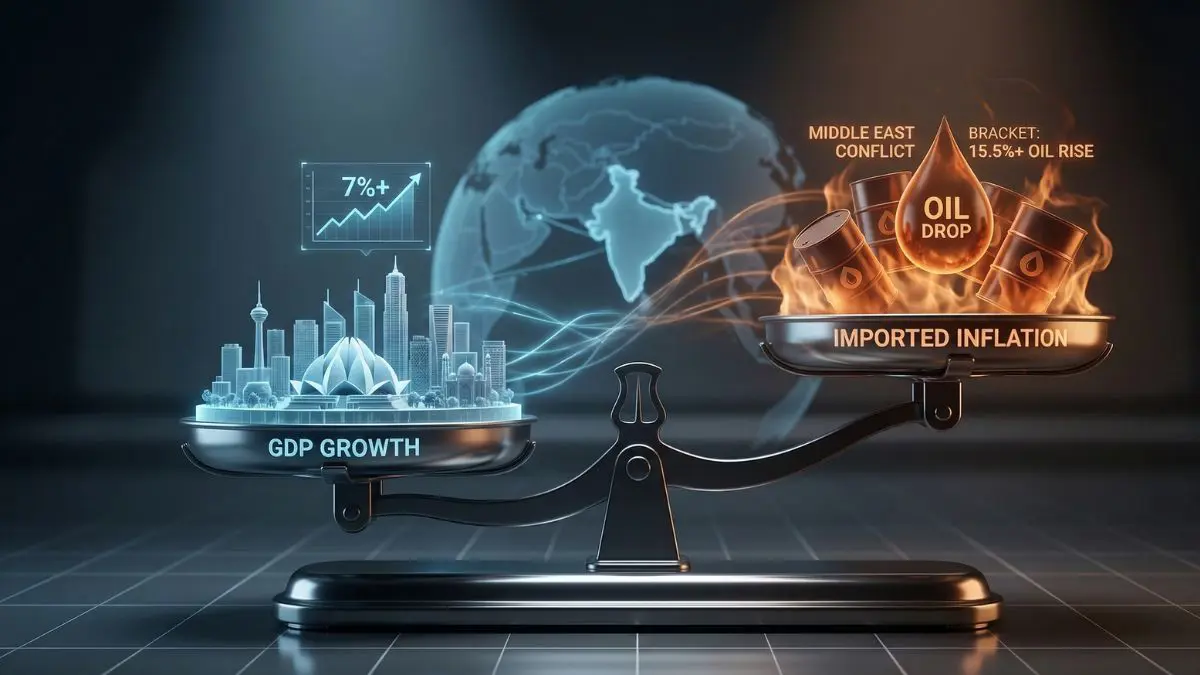
The conflict in the Middle East is expected to weigh more on India’s growth outlook than inflation, according to sources familiar with the Reserve Bank of India’s thinking. Despite rising oil prices and a record-low rupee, policymakers are likely to keep interest rates steady to support the economy.
MUMBAI, March 5, 2026 — The escalating conflict in the Middle East is expected to affect India’s economic growth more than inflation, according to people familiar with the Reserve Bank of India’s (RBI) thinking.
Despite rising crude prices and a weaker rupee, policymakers are seen prioritizing growth risks and keeping borrowing costs steady for now.
Brent crude has risen sharply this week amid the conflict, while the rupee fell to a record low in the previous session, developments that would typically heighten inflation concerns.
Growth risks take center stage
Policymakers are increasingly focused on the potential economic slowdown if elevated energy prices persist.
Indian companies have begun curbing natural gas supplies to some industrial users, including fertilizer producers and power plants, in anticipation of prolonged disruption in Middle East energy flows.
Analysts say if supply constraints last beyond several weeks, India’s expected growth rate of more than 7% in the coming fiscal year could ease toward about 6.5%.
Why inflation concerns remain contained
Sources say several factors are helping limit immediate inflation pressures:
- Low starting point: Retail inflation stood at about 2.75% in January, near the lower end of the RBI’s target band.
- Retail fuel buffers: Pump prices often adjust gradually despite global crude swings.
- Fiscal options: The government could cut fuel taxes if needed to ease price pressures.
One source said there remains “room on the inflation front,” suggesting policymakers see less urgency for tightening.
Market expectations diverge
Market pricing currently reflects expectations of at least one rate increase over the next year.
However, economists including Citigroup’s India economist Samiran Chakraborty say markets may be overestimating the likelihood of tightening if domestic fuel prices remain stable.
“If pump prices stay unchanged, this could make policy less hawkish than markets expect,” he said.
Why This Matters
- Growth priority: RBI policy remains focused on protecting economic momentum.
- Energy vulnerability: India’s heavy reliance on imported oil exposes it to geopolitical shocks.
- Policy divergence: Markets and policymakers are increasingly out of sync on rate expectations.
- Fiscal trade-offs: Shielding consumers from higher fuel prices could strain government finances.
FAQs
Q1. Will interest rates rise soon?
For now, policymakers appear inclined to keep rates steady amid growth concerns.
Q2. Why isn’t inflation the bigger issue?
Low starting inflation and gradual fuel pricing adjustments are limiting immediate pressure.
Q3. How does the conflict affect Indian industries?
Gas supply curbs could disrupt fertilizers and power generation if sustained.
Q4. What could change RBI’s stance?
Prolonged high oil prices or stronger inflation pressures could shift policy toward tightening.

























