Surging Memory Chip Prices Dim Outlook for Consumer Electronics Makers
By Axel Miller | 22 Jan 2026
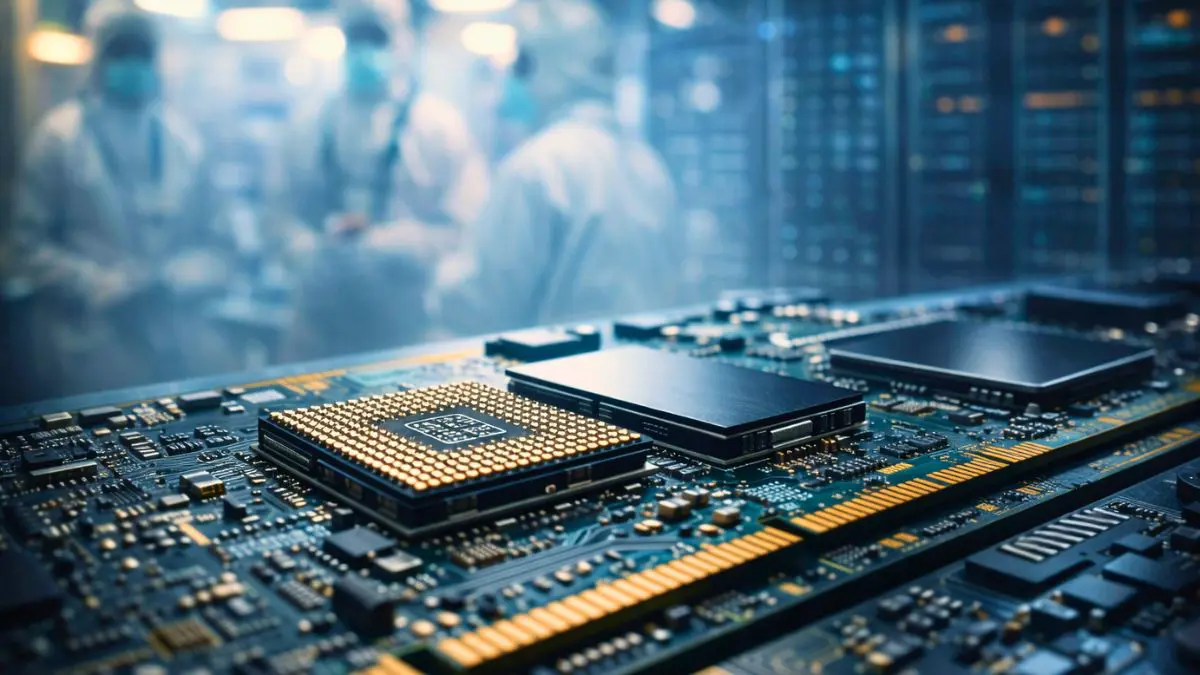
Global demand for smartphones, personal computers and gaming hardware is expected to soften in 2026 as manufacturers begin raising prices to offset a fresh surge in memory chip costs, according to industry executives and market researchers.
The price pressure is being driven by the rapid build-out of artificial intelligence infrastructure, which is soaking up premium memory supply and pushing chipmakers to prioritise higher-margin products such as high-bandwidth memory (HBM3/HBM3E) and data-centre DRAM.
As more production capacity shifts toward AI-grade components, prices for consumer-grade memory used in phones, laptops and consoles have tightened sharply — forcing device makers to either absorb the hit to margins or pass it on to consumers.
A painful reset for consumer electronics
Industry analysts say the squeeze is already filtering into consumer product pricing, particularly for higher-spec devices where memory is a growing share of total bill-of-materials costs.
Several manufacturers have flagged that memory is becoming one of the fastest-rising inputs in mainstream electronics — reshaping pricing strategy just as consumers remain sensitive to inflation-driven cost-of-living pressures.
Market researchers now expect 2026 device shipments to face renewed weakness across key categories, with downside risks rising if higher sticker prices curb demand.
Upstream wins, downstream pain
While consumer electronics brands face margin pressure and potential volume declines, memory producers are benefitting from the shift in demand mix.
Leading suppliers such as Samsung Electronics, SK hynix and Micron have reported strong momentum in AI-linked memory, as data-centre customers lock in supply for next-generation GPUs and server platforms.
Analysts say the widening gap between AI infrastructure demand and consumer electronics demand could define the next phase of the semiconductor cycle: robust profitability for upstream suppliers, and a tougher pricing environment downstream.
What investors will watch next
Investors are now watching upcoming earnings updates from major PC and smartphone supply chain players to gauge whether the industry absorbs the memory shock or passes it through — and whether consumer demand holds up through the first half of 2026.
Why This Matters
- AI demand is now reshaping the semiconductor cycle — HBM and enterprise DRAM come first
- Consumer electronics could face a pricing-led demand slowdown
- Memory cost inflation is a key risk to margins across PCs, phones and consoles
Summary
Memory chip prices are climbing again as AI data-centre demand absorbs premium supply and pushes manufacturers to prioritise HBM3/HBM3E and enterprise DRAM. The shift is tightening availability of consumer-grade memory used in phones and laptops, forcing device makers to raise prices or accept lower margins — a combination that could weaken device shipments in 2026.
FAQs
Q1: Why are memory prices rising in 2026?
AI infrastructure demand is pulling supply toward high-end products such as HBM and server memory, tightening availability and raising prices for consumer-grade DRAM used in PCs, phones and consoles.
Q2: What is HBM and why does it matter?
HBM (high-bandwidth memory) is advanced memory used in AI accelerators and high-performance computing. Its rapid growth is prompting suppliers to allocate capacity away from conventional consumer memory.
Q3: Will consumer electronics become more expensive?
Many brands are expected to raise prices selectively, especially for high-memory models, as memory becomes a larger portion of manufacturing costs.
Q4: Who benefits from this cycle?
Upstream memory producers benefit from stronger pricing and premium demand, while device makers face higher costs and tougher margin decisions.

























