Samsung Display CEO warns rising oil prices could lift electronics costs
By Axel Miller | 12 Mar 2026

Summary
The CEO of Samsung Display has warned that rising oil prices linked to Middle East tensions could increase production costs for flat-panel displays, adding pressure across the global electronics supply chain.
SEOUL, March 12, 2026 — The effects of rising oil prices are beginning to ripple through the global technology sector, with Chung Yi, President and CEO of Samsung Display, warning that sustained energy volatility could raise input costs for display manufacturing.
In remarks reported by Reuters, Chung said the conflict in the Middle East and the resulting oil price increases are already affecting the cost structure of flat-screen production.
The petrochemical link
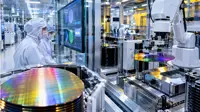
Chung highlighted the direct relationship between crude oil prices and display manufacturing costs. Many components used in OLED and LCD panels — including optical films and specialized coatings — are derived from petrochemicals.
“When oil prices rise, the prices of these raw materials also increase,” Chung said, adding that prolonged price volatility could significantly increase production expenses.
Pressure on the electronics supply chain
Samsung Display supplies advanced panels to Apple, Samsung Electronics and other device makers.
Industry analysts say rising material and energy costs could affect margins across the sector if sustained, though companies often mitigate short-term volatility through long-term contracts and inventory buffers.
Why this matters
- Consumer prices: Sustained cost increases could eventually be reflected in device pricing.
- Supply chain sensitivity: The sector remains exposed to energy market volatility.
- Corporate margins: Manufacturers may face pressure to absorb higher input costs.
FAQs
1. Why does oil affect display production?
Many display materials, including films and coatings, are petrochemical-based and sensitive to crude price changes.
2. Will device prices rise immediately?
Not necessarily. Manufacturers typically hedge costs and rely on contracts before passing increases to consumers.
3. Are other manufacturers affected?
Yes. Major display makers such as LG Display and BOE Technology use similar materials and face comparable pressures.