Oil prices rebound as US-Iran clashes reignite Hormuz tensions
By Axel Miller | 08 May 2026
Summary
- Oil prices climbed on Friday after renewed naval clashes between the United States and Iran disrupted fragile ceasefire expectations in the Strait of Hormuz.
- Traders weighed escalating geopolitical risks against ongoing diplomatic efforts, following reports of attacks involving commercial shipping and military vessels.
- Despite the rebound, Brent crude was still headed for a weekly decline as investors assessed whether supply disruptions would persist.
NEW DELHI, May 8, 2026 — Oil prices rose on Friday after renewed hostilities between US and Iranian naval forces in the Strait of Hormuz revived fears of supply disruptions and weakened hopes for a sustained diplomatic breakthrough.
Brent crude futures gained $1.20, or around 1.2%, to trade near $101.26 a barrel by 07:30 GMT. US West Texas Intermediate (WTI) crude rose 85 cents, or 0.9%, to about $95.66 a barrel. The rebound followed several sessions of losses driven by expectations that Washington and Tehran could move toward easing tensions.
Fresh tensions in the Strait of Hormuz
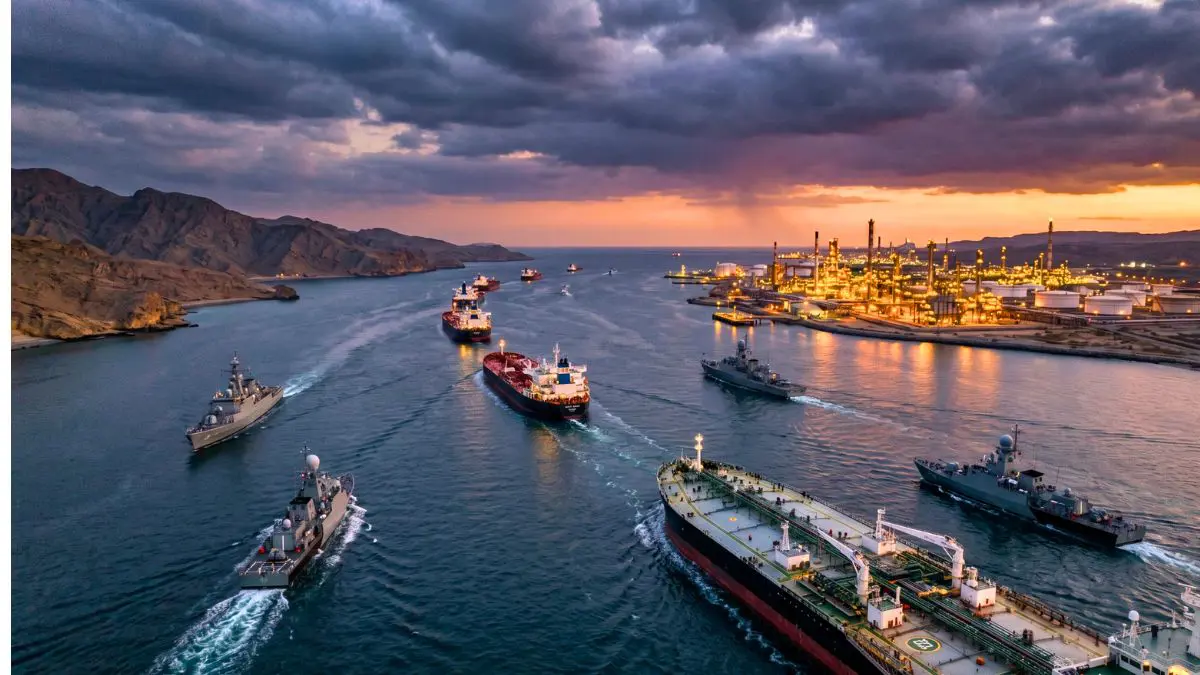
Market sentiment shifted after reports of naval exchanges in and around the Strait of Hormuz on Thursday. Iranian officials accused the United States of striking an Iranian-linked tanker and nearby areas, while US Central Command said American naval forces responded after coming under fire during transit operations in the region.
Despite the renewed violence, US President Donald Trump said the ceasefire arrangement was still holding, creating mixed signals for traders already grappling with sharp market swings.
The Strait of Hormuz remains one of the world’s most critical energy chokepoints, handling a major share of global crude and liquefied natural gas exports. Any escalation in the region typically raises concerns over shipping disruptions and higher energy costs.
Questions emerge over unusual oil trades
Separately, market attention also focused on reports that US regulators are reviewing large oil market positions placed ahead of several major geopolitical announcements earlier this year.
According to reports, the US Commodity Futures Trading Commission (CFTC) is examining sizeable short positions entered on ICE and CME exchanges before key developments linked to the conflict. The review is reportedly focused on whether traders may have benefited from advance knowledge of ceasefire-related announcements or military delays.
Analysts said the combination of geopolitical volatility and regulatory scrutiny has intensified uncertainty across global energy markets.
“The market is struggling to balance diplomatic headlines with the ongoing military risk premium,” said Vandana Hari, founder of Vanda Insights. Analysts also noted that shipping activity through the Strait remains below normal levels, keeping supply concerns elevated.
Why this matters
- Geopolitical risk premium: Renewed military activity in the Strait of Hormuz continues to support oil prices despite broader concerns over global demand.
- Supply chain uncertainty: Disruptions in one of the world’s busiest energy transit routes could affect crude and LNG shipments to major importing nations.
- Inflation concerns: Oil prices remaining near or above the $100 level may complicate efforts by central banks to control inflation and support economic growth.
FAQs
Q1. Why are oil prices rising again?
Oil prices are moving higher after renewed naval clashes between US and Iranian forces increased fears of supply disruptions in the Strait of Hormuz.
Q2. What is the CFTC reviewing?
US regulators are reportedly examining large oil trades placed ahead of key conflict-related announcements to determine whether any market abuse or improper information sharing occurred.
Q3. Why is the Strait of Hormuz important?
The Strait of Hormuz is a critical global shipping route for crude oil and LNG exports, making it highly sensitive to geopolitical tensions.