Rising fuel costs revive U.S. consumer interest in electric vehicles
By Cygnus | 23 Mar 2026
Summary
Higher gasoline prices in the United States are prompting renewed consumer interest in electric vehicles, with automakers and analysts pointing to cost savings and improving affordability as key drivers.
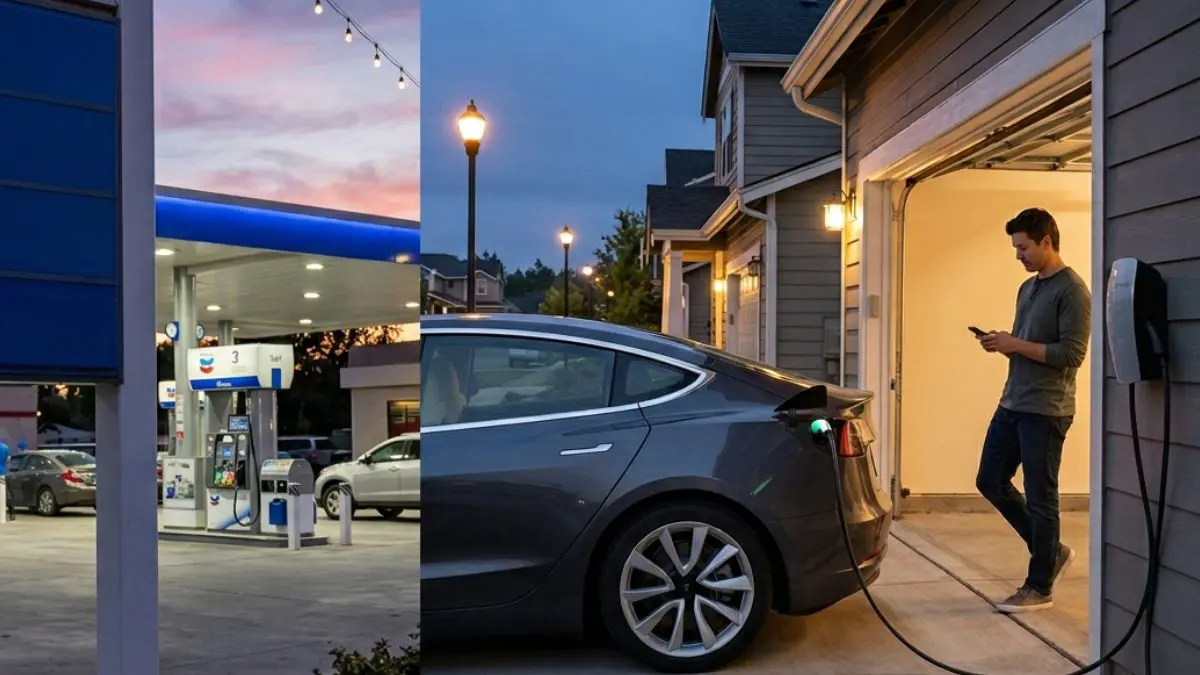
NEW YORK, March 23, 2026 — Rising gasoline prices in the United States are prompting more consumers to consider electric vehicles (EVs), as higher fuel costs sharpen the economic case for switching away from internal combustion engines.
Industry analysts and automotive data firms say online searches and dealership inquiries for EVs have picked up in recent weeks, particularly in states where fuel prices tend to be higher.
Companies such as Edmunds report that consumer interest in electrified vehicles typically rises when fuel prices increase, reflecting a shift from environmental considerations toward cost savings.
Affordability improving
The price gap between EVs and gasoline-powered vehicles has narrowed in recent years, supported by falling battery costs, manufacturer incentives and a growing range of models across price segments.
Automakers including Tesla, General Motors and Ford Motor Company have expanded their EV portfolios, with a focus on more affordable models aimed at mainstream buyers.
Analysts say total cost of ownership—including fuel and maintenance—has become a key factor influencing purchasing decisions.
Used EV market gains traction
The secondary market for electric vehicles is also expanding, with more pre-owned models becoming available as earlier leases expire. This has helped bring down entry costs for buyers who were previously priced out of the new EV segment.
Lower running costs compared with gasoline vehicles continue to be a major draw, particularly for daily commuters.
Industry response
Automakers are increasingly prioritising affordability and scale as competition intensifies in the EV market. Several manufacturers have announced plans to introduce lower-cost electric models over the next few years to attract a broader customer base.
Policy support at both federal and state levels, including incentives and rebates, has also played a role in supporting adoption, though eligibility and benefits vary by region.
Why this matters
- Consumer economics: Higher fuel prices make EVs more attractive on a cost basis.
- Market transition: Growing used EV supply is expanding access to electric mobility.
- Industry shift: Automakers are focusing on affordability to drive mass adoption.
FAQs
Q1. Are EVs cheaper to run than petrol cars?
Yes, EVs generally have lower fuel and maintenance costs compared to gasoline vehicles.
Q2. Why does EV interest rise when fuel prices increase?
Higher fuel costs make the long-term savings from EVs more noticeable to consumers.
Q3. Are affordable EVs available in the U.S.?
Automakers are increasingly introducing lower-priced models, and the used EV market is also expanding.

























