IMO prepares contingency coordination for vessels affected by heightened Strait of Hormuz risk
By Axel Miller | 21 Apr 2026
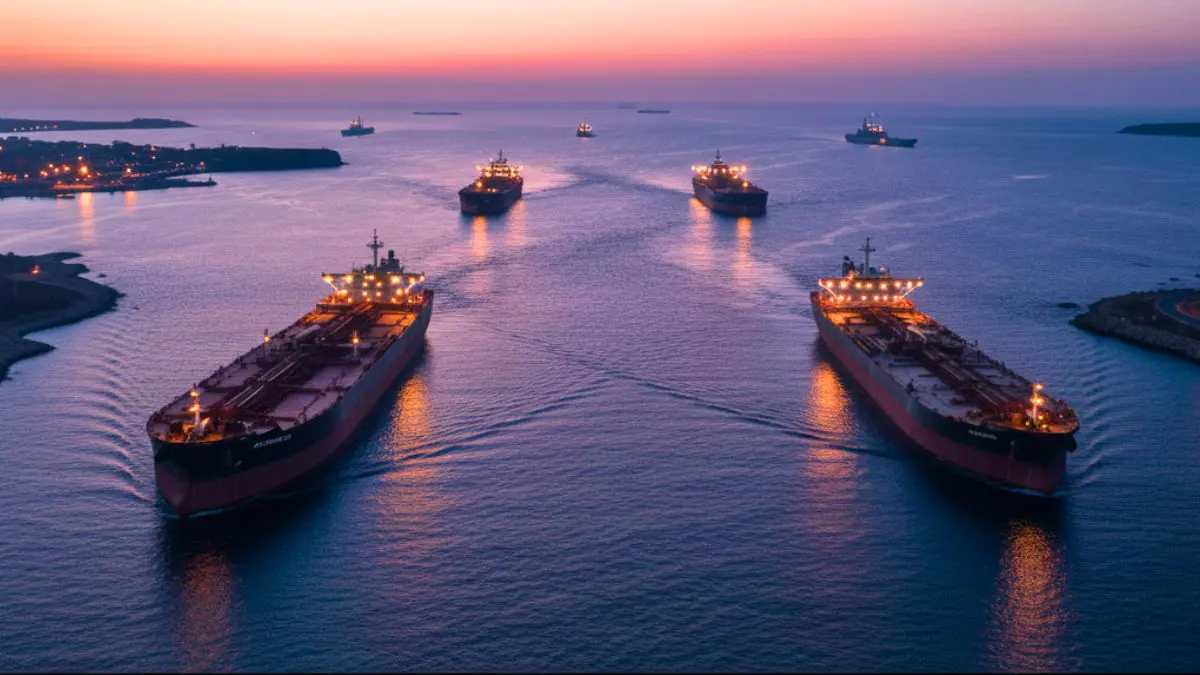
Summary
- Maritime safety concern: The International Maritime Organization (IMO) has highlighted risks to commercial shipping in the Strait of Hormuz amid heightened regional tensions and security uncertainty.
- Traffic monitoring focus: Global shipping agencies are closely monitoring vessel movements in the Persian Gulf, where commercial traffic remains sensitive to geopolitical developments.
- Seafarer welfare priority: International maritime bodies and unions continue to emphasize crew safety, supply continuity, and humanitarian considerations for ships operating in high-risk zones.
SINGAPORE, April 21, 2026 — The International Maritime Organization (IMO) has emphasized the importance of coordinated maritime safety measures and contingency planning for commercial vessels operating in and around the Strait of Hormuz, one of the world’s most critical oil and cargo transit routes.
Speaking at Singapore Maritime Week, IMO leadership underscored that while the Strait remains open under international law, elevated geopolitical tensions in the wider region have increased operational risks for shipping companies, insurers, and seafarers.
Maritime safety and routing considerations
The Strait of Hormuz is governed by established international navigation rules, and commercial traffic continues to operate through designated traffic separation schemes (TSS), including routes near Omani waters that help organize vessel movement.
Maritime authorities and shipping firms typically rely on routing advisories, naval escorts in some cases, and insurance risk assessments rather than centralized evacuation protocols.
Operational constraints and insurance pressure
Industry stakeholders have reported increased insurance premiums and selective risk coverage in periods of heightened geopolitical tension, particularly for tankers carrying energy cargoes.
However, global maritime governance does not currently involve any formal “evacuation protocol” for merchant fleets in the Strait of Hormuz, as shipping operations are managed through routing advisories and risk-based navigation decisions.
Seafarer welfare focus
International shipping organizations and unions continue to highlight the importance of seafarer welfare in high-risk maritime zones, particularly regarding extended voyage uncertainty, port delays, and crew rotation challenges.
Humanitarian support mechanisms typically operate through shipping companies, flag states, and international labor frameworks rather than emergency mass evacuation systems.
Why this matters
- Energy route sensitivity: The Strait of Hormuz remains a key corridor for global energy transportation
- Insurance and freight costs: Risk premiums directly influence global shipping and energy prices
- Crew welfare concerns: Prolonged uncertainty impacts seafarer safety and mental well-being
- Global trade stability: Even localized tensions can affect global supply chain reliability
FAQs
Q1. Is the Strait of Hormuz closed?
No. The Strait of Hormuz remains open under international maritime law, though it is considered a sensitive and high-risk shipping route during geopolitical tensions.
Q2. Can ships be “evacuated” from the Strait?
No formal evacuation system exists. Ships instead follow routing guidance, insurance conditions, and naval advisories where applicable.
Q3. What role does the IMO play?
The IMO sets global maritime safety standards and coordinates international guidance but does not operate ships or enforce navigation control in specific chokepoints.