Reliance Refutes “Pause” in Battery Roadmap; Refocuses on BESS Assembly
By Axel Miller | 12 Jan 2026
Reliance Industries Limited (RIL) issued a clarification on Monday, January 12, 2026, reiterating that its multi-billion dollar new energy ecosystem remains on schedule, despite reports that its specific lithium-ion cell manufacturing plans have hit a technology roadblock.
The Mukesh Ambani-led conglomerate responded to reports suggesting it had “paused” cell production after a proposed licensing deal with China’s Xiamen Hithium Energy Storage Technology collapsed. In an emailed statement today, a Reliance spokesperson stated, “There is no change in the company’s plans. BESS manufacturing, battery pack manufacturing, and cell manufacturing have always been part of our energy storage plans and we are progressing well in their execution.”
The Technology Bottleneck
The reports of a setback stem from Beijing’s move in November 2025 to impose strict export licenses on advanced battery technology. Analysts suggest that while Reliance intended to begin cell manufacturing at its Jamnagar Giga Complex by late 2026, the withdrawal of its Chinese partner has forced a tactical pivot.
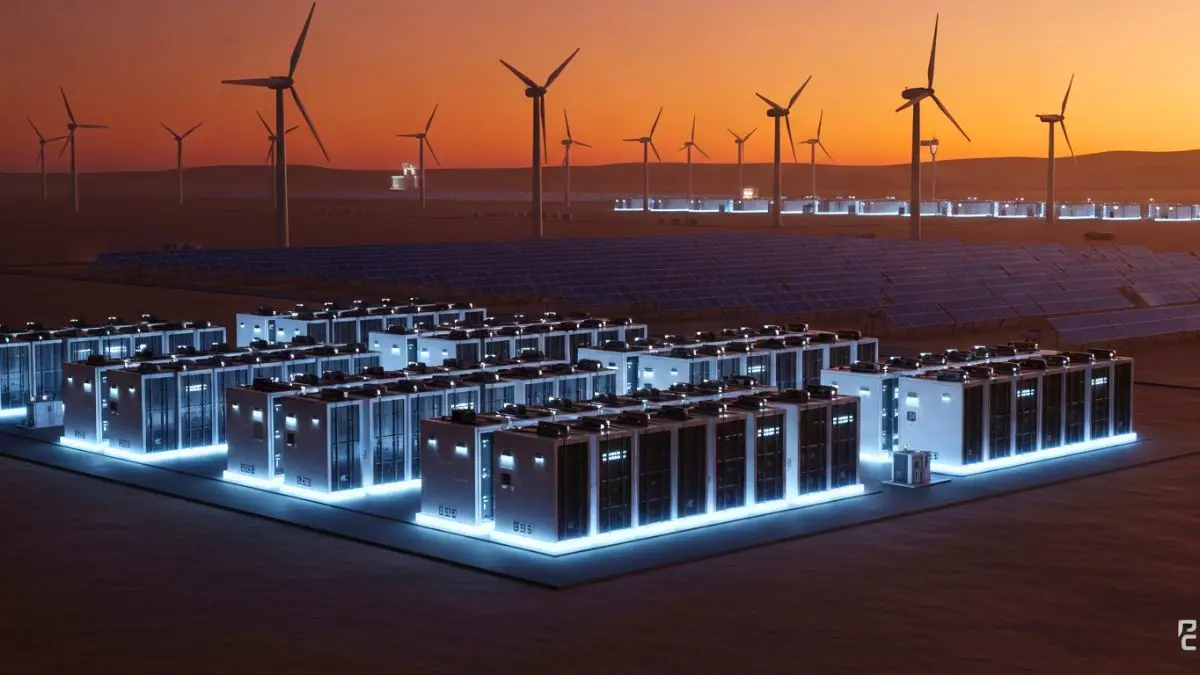
Rather than producing the chemical cells domestically in the immediate term, Reliance is reportedly accelerating the assembly of Battery Energy Storage Systems (BESS). These massive, containerized units are critical for stabilizing the grid at RIL’s sprawling solar parks in Kutch and Jamnagar.
Global Supply Chain Shifts
The development highlights the increasing difficulty Indian firms face in localizing clean-energy supply chains. China currently controls over 80% of global LFP (Lithium Iron Phosphate) cell technology.
- Reliance’s Strategy: RIL evaluated alternative technologies from Japan and South Korea but found them significantly more expensive and less optimized for the Indian climate.
- The 2026 Goal: During the 2025 AGM, Anant Ambani confirmed the goal of an initial 40 GWh battery capacity by 2026. Today’s clarification suggests that while the “packaging” of batteries will proceed, the “chemistry” (cell making) may face a longer gestation period until an independent technology stack is secured.
Summary
Reliance Industries has dismissed reports of a halt in its battery ambitions, though market sources indicate a strategic shift toward BESS assembly over immediate cell manufacturing. The shift follows the collapse of a deal with Xiamen Hithium due to China’s tighter 2025 export controls. Reliance maintains its broader 2026 timeline for the Jamnagar New Energy complex remains intact.
Frequently Asked Questions (FAQs)
Q1: Is Reliance stopping its battery project?
No. Reliance clarified today that its energy storage plans are progressing. However, sources report a pause specifically in the cell-making segment while the company refocuses on system assembly.
Q2: Who was the technology partner?
The partner was Xiamen Hithium Energy Storage Technology, a leading Chinese provider of LFP cell technology.
Q3: Why did the deal fall through?
The partnership reportedly stalled due to China’s Ministry of Commerce (MOFCOM) implementing new export restrictions on battery-related technology and equipment in late 2025.
Q4: What is the status of the Jamnagar Gigafactory?
The factory is still scheduled to begin operations in 2026, initially focusing on modular BESS units and battery packs to support India’s renewable energy targets.

























