Over 30 Sanctioned Vessels in Venezuela Face Fresh Risk After U.S. Seizes Tanker
By Axel Miller | 11 Dec 2025
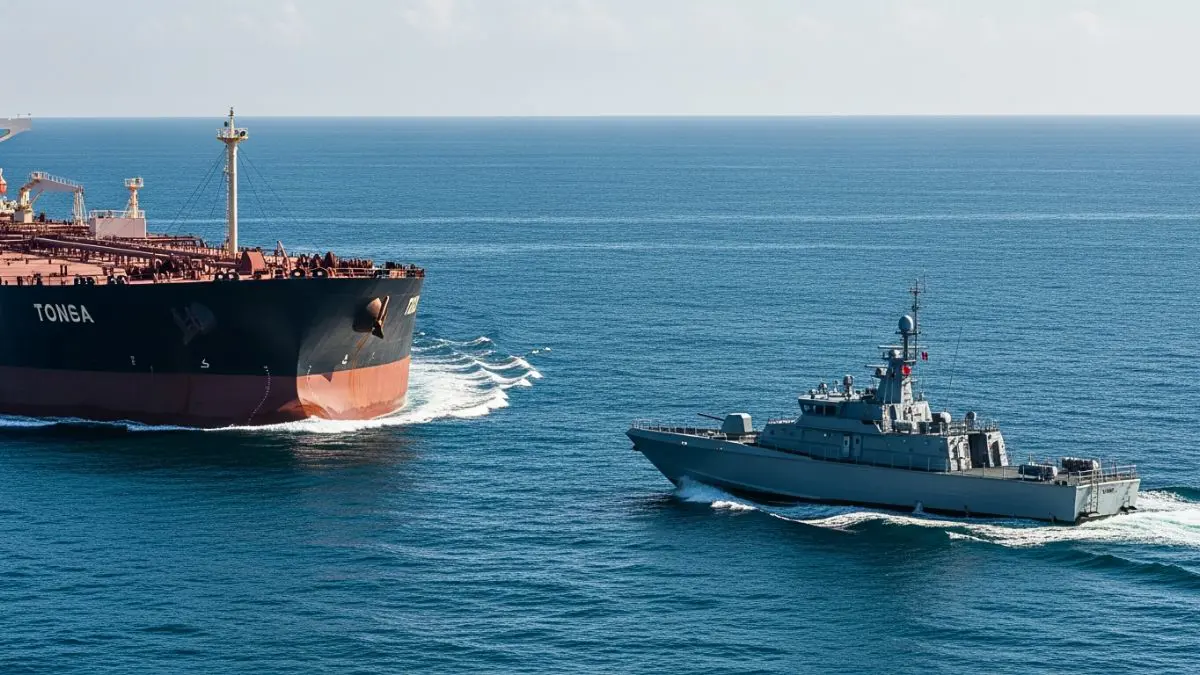
More than 30 oil tankers operating under U.S. sanctions in Venezuela face imminent enforcement risks after American authorities seized a supertanker carrying Venezuelan crude, sending shockwaves through the global “shadow fleet” network.
The seizure, confirmed by the Trump administration on Monday, marks the first physical confiscation of a major oil cargo originating from Venezuela since the re-imposition of “maximum pressure” sanctions. The move represents a significant escalation in Washington’s efforts to cut off revenue streams to President Nicolás Maduro’s government.
Shadow fleet under spotlight
The action has rattled maritime operators. Shipping data indicates that several vessel owners are currently reconsidering plans to lift cargo from Venezuelan waters, fearing similar interdictions.
The seized vessel—identified in shipping logs as the Skipper—is reportedly part of the growing “dark fleet” used to transport sanctioned oil. These vessels habitually operate with Automatic Identification System (AIS) transponders switched off—a tactic known as “spoofing”—to mask their locations.
Venezuela’s foreign ministry sharply condemned the action, labeling it “blatant theft” and “an act of international piracy” orchestrated by the U.S. government.
Logistics at risk
According to data from TankerTrackers.com, more than 80 tankers were either loading or waiting to load near Venezuelan ports this week. Of those, over 30 appear on U.S. sanctions watchlists.
Industry analysts estimate the global shadow fleet now comprises approximately 1,423 tankers. These ships are typically older (15+ years), lack standard Western insurance, and use opaque ownership structures to evade regulatory scrutiny.
Reliance on Russian logistics
Despite the crackdown, Venezuela has managed to keep exports flowing. Oil shipments climbed above 900,000 barrels per day in November, aided by ship-to-ship transfers that obscure the crude’s origin before it reaches buyers in China and Malaysia.
The country also relies heavily on imported naphtha—mostly supplied by Russia—to dilute its extra-heavy crude for transport.
Chevron remains exempt
While the shadow fleet faces turmoil, legitimate trade continues under strict bounds. Chevron Corp., PDVSA’s primary Western partner, confirmed that its operations are unaffected. The U.S. major operates under a specific Treasury license (GL 41) that permits it to export Venezuelan oil to the United States to recoup debt, shielding it from the current enforcement wave.
Brief Summary
The U.S. government has seized a supertanker carrying Venezuelan crude, marking a major escalation in sanctions enforcement. The move places over 30 other sanctioned vessels currently in Venezuelan waters at risk and threatens to disrupt the country’s “shadow fleet” exports. Venezuela condemned the seizure as piracy, while analysts warn of shipping delays as vessel owners reassess the risk of docking in the region.
Frequently Asked Questions (FAQs)
Q1: What triggered this new crisis?
The U.S. physically seized a supertanker (the Skipper) carrying Venezuelan oil. Unlike previous paper sanctions or blacklistings, a physical seizure signals that the U.S. is now actively interdicting cargo, dramatically raising the stakes for ship owners.
Q2: What is the “Shadow Fleet”?
The shadow (or dark) fleet refers to hundreds of aging, anonymously owned oil tankers that transport sanctioned oil from regimes like Venezuela, Iran, and Russia. They operate outside Western insurance markets and often turn off their tracking beacons to avoid detection.
Q3: How does this affect global oil markets?
While Venezuela is not the world’s largest producer, it is a key supplier of heavy crude to Chinese independent refiners. A sustained disruption in these shipments could tighten supply for heavy grades of oil in the Asian market.
Q4: Is Chevron’s oil also at risk?
No. Chevron operates under a specific U.S. license that allows it to legally export oil from Venezuela to the United States. The current crackdown targets illicit, non-licensed trade, primarily destined for Asia.
Q5: How many ships are involved?
Data suggests over 80 tankers are currently near Venezuelan ports, with at least 30 of them specifically identified on U.S. sanctions lists, placing them in the immediate “danger zone” for enforcement.