CES 2026 Kicks Off: AI and Autonomous Driving Dominate as EV Hype Fades
By Cygnus | 06 Jan 2026
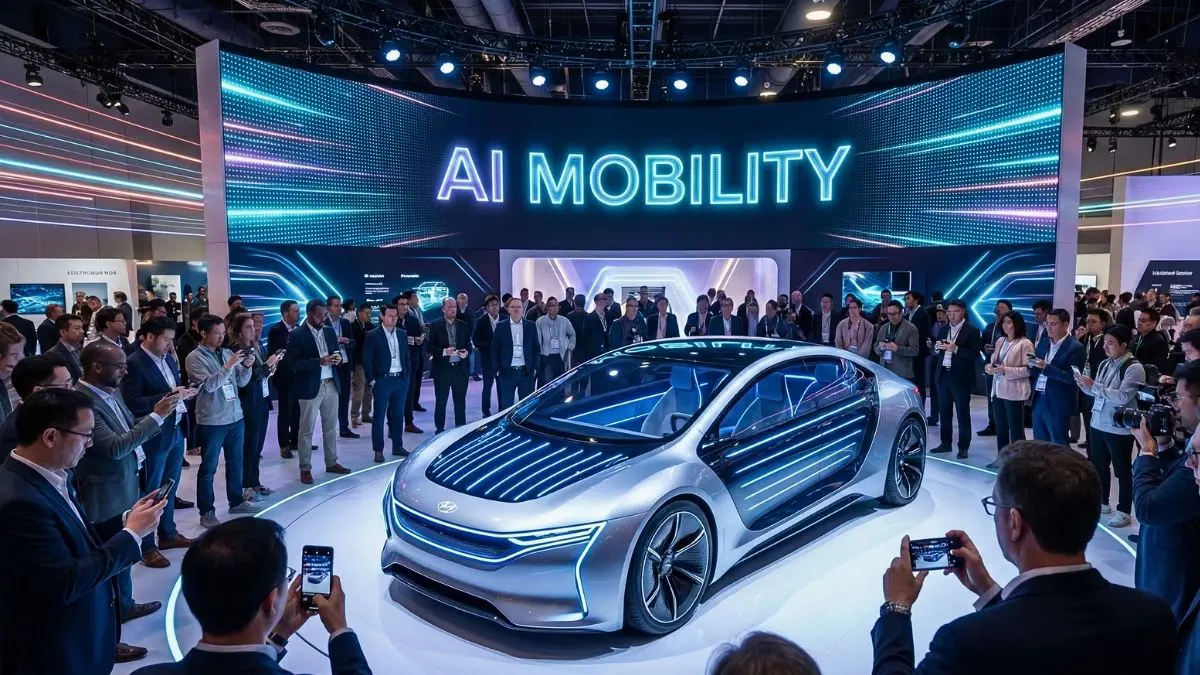
LAS VEGAS – Autonomous driving technology and artificial intelligence have taken center stage as CES 2026 opens its doors in Las Vegas this week, signaling a strategic pivot for an automotive industry grappling with slowing electric vehicle (EV) adoption and rising geopolitical costs.
As automakers tap the brakes on aggressive electrification timelines, a new wave of suppliers and tech startups has emerged to fill the innovation void. The focus has shifted decisively toward AI-driven autonomy—from advanced driver-assistance systems (ADAS) to fully driverless platforms—as investors hunt for the sector’s next growth engine.
“This year you will see more and more focus on AI and autonomous,” said C.J. Finn, U.S. automotive industry leader for PwC. “That connectivity on autonomous will be front and center.”
The EV retreat
The shift in tone is unmistakable. In recent years, CES served as the launchpad for marquee EV reveals. This year, however, most major manufacturers have no plans to debut new electric models.
The pullback follows changes in U.S. policy under the Trump administration, which has rolled back EV incentives, dampening consumer demand. Automakers are now forced to absorb the financial impact of earlier EV write-downs while contending with higher tariffs on imported vehicles and parts, squeezing profit margins.
Betting on robots
While EVs stall, capital is flowing back into self-driving technology. Despite a rocky history of regulatory hurdles and safety incidents, recent successes—such as Tesla’s limited robotaxi pilot in Austin and Waymo’s expansion—have restored investor confidence.
Partnerships unveiled this week are expected to focus on “eyes-off” functionality, where AI handles highway driving and lane changes without human intervention. Tech heavyweights, including Nvidia CEO Jensen Huang and AMD CEO Lisa Su, are slated to speak, reinforcing the role of silicon in the next generation of mobility.
“The main theme we expect to see popping up at CES is around cost and cost competitiveness,” noted Felix Stellmaszek, global automotive leader at Boston Consulting Group, highlighting the pressure to deliver advanced tech without breaking the bank.
Brief Summary
As CES 2026 begins, automakers are pivoting from electric vehicles to AI and autonomous driving. With EV demand cooling due to policy shifts and costs, the industry is betting on self-driving tech to drive future growth. Major reveals this week focus on software and AI partnerships rather than new electric cars, reflecting a strategic pause in the electrification race.
Frequently Asked Questions (FAQs)
Q1: Why are there fewer EV launches at CES this year?
Automakers have slowed down EV rollouts due to reduced government incentives, high production costs, and slower-than-expected consumer adoption. They are now focusing on profitability and hybrid strategies instead.
Q2: What is the main theme of CES 2026?
Artificial Intelligence (AI) and Autonomous Driving. The industry is exploring how AI can make cars safer and more self-sufficient, moving towards a future of “robotaxis” and hands-free driving.
Q3: Has autonomous driving actually improved?
Yes. While fully driverless cars are still limited to specific cities (like Waymo or Tesla’s pilot), “Level 3” driver assistance—which allows hands-free driving on highways—is becoming more common and reliable.
Q4: How does the political climate affect this?
The current U.S. administration has reduced support for EVs and imposed higher tariffs on imports. This forces automakers to be more conservative with their money, shifting focus to technologies that might offer a quicker return on investment, like software and AI.
Q5: Who are the key players to watch?
Beyond traditional carmakers (Ford, GM), keep an eye on chipmakers like Nvidia and AMD, as well as major auto suppliers. They are providing the “brains” (chips and software) that power these new AI features.

























