Indian furniture prices rise as raw material and logistics costs climb
By Cygnus | 08 May 2026
Summary
- Several Indian furniture and interior brands are revising prices upward as rising raw material and logistics costs pressure margins.
- Industry players are monitoring supplies of petrochemical-based inputs such as resins, adhesives and foam used in plywood and furniture manufacturing.
- Higher crude oil prices are increasing the cost of petroleum-derived materials, adding further pressure on manufacturers and consumers.
NEW DELHI, May 8, 2026 — India’s furniture and home interiors industry is facing mounting cost pressures as higher crude oil prices, supply chain disruptions and rising input costs push manufacturers to consider price increases across key product categories.
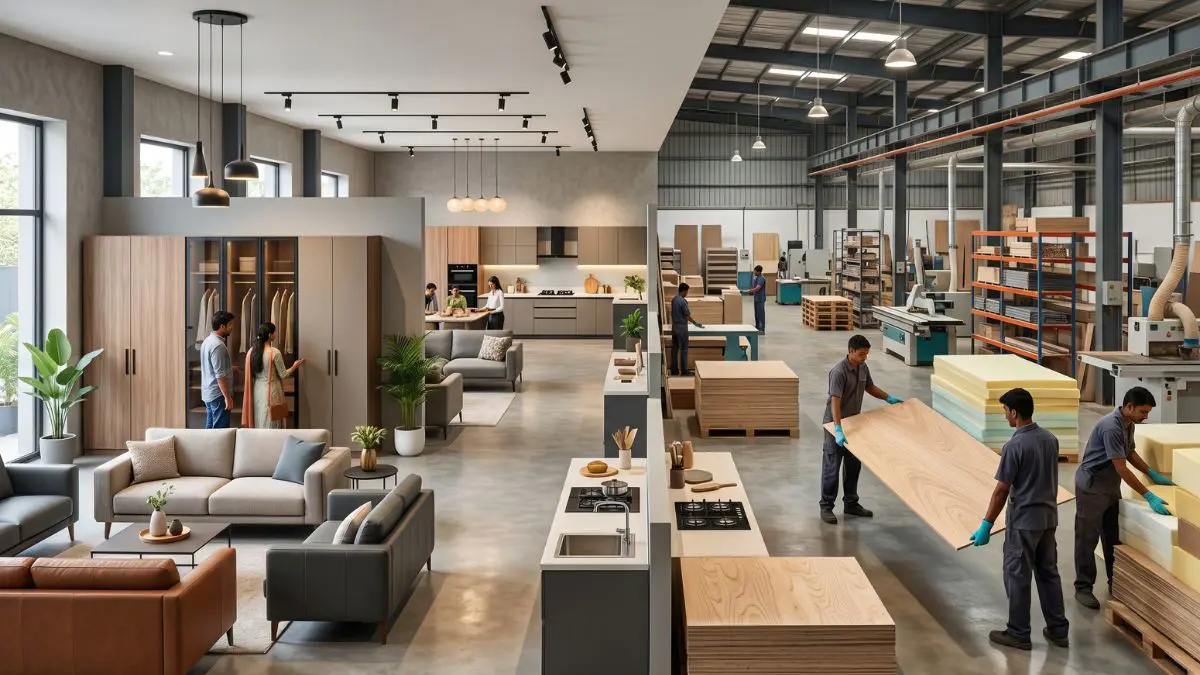
Industry executives said rising prices for petrochemical-linked materials such as polyurethane foam, adhesives, laminates and resins are affecting the production cost of sofas, wardrobes, modular kitchens and other furniture products.
Manufacturers are also grappling with higher freight and logistics expenses as geopolitical tensions in West Asia continue to disrupt shipping routes and increase transportation costs.
Rising pressure on raw materials
Plywood and furniture producers rely heavily on chemicals such as methanol, formaldehyde and resins, many of which are linked to global petrochemical markets. Industry participants said elevated oil prices are feeding directly into manufacturing costs for foam, coatings, polishing materials and packaging.
Executives from several home interior companies noted that price revisions have already been implemented in some categories, while others are still evaluating the extent of future increases depending on raw material trends.
DesignCafe CEO and Co-Founder Shezaan Bhojani said the company adjusted prices for new projects earlier this year in response to higher costs across plywood, adhesives and hardware.
Meanwhile, Orange Tree Founder and Creative Director Gaurav Jain said rising costs for packaging and petroleum-based materials have added pressure across the supply chain, especially in premium furniture manufacturing.
Premium demand remains relatively stable
Despite inflationary pressures, some organized retailers said premium furniture demand remains resilient. Home Centre India CEO Jayanti Ganguly said higher-income consumers continue to prioritize quality and design, although companies are increasingly focusing on local sourcing strategies to reduce import dependence.
Industry experts said supply disruptions have not yet resulted in major shortages, but prolonged geopolitical instability could tighten availability of imported chemicals and industrial inputs over the coming months.
Why this matters
- Consumer cost impact: Rising furniture and renovation costs could affect household spending and home improvement demand.
- Import dependence: India’s furniture industry remains exposed to global petrochemical supply chains for key manufacturing inputs.
- Oil price sensitivity: Higher crude prices increase the cost of foam, adhesives, laminates and transport services.
- Supply chain diversification: Companies are accelerating local sourcing efforts to reduce exposure to overseas disruptions.
FAQs
Q1. Why are furniture prices increasing in India?
Furniture makers are facing higher costs for raw materials, petrochemical inputs, transportation and packaging.
Q2. Which materials are becoming more expensive?
Industry players cite rising prices for polyurethane foam, adhesives, resins, laminates and plywood-related chemicals.
Q3. Are supply shortages affecting the industry?
Manufacturers say supply chains remain operational, but ongoing geopolitical tensions and shipping disruptions are creating uncertainty.
Q4. Which furniture categories are most affected?
Products heavily dependent on plywood, foam, imported hardware and chemical coatings are seeing the greatest cost pressure.

























