Air India Faces ₹150 Billion FY26 Loss After Ahmedabad Crash and Pakistan Airspace Ban Extension
By Cygnus | 22 Jan 2026
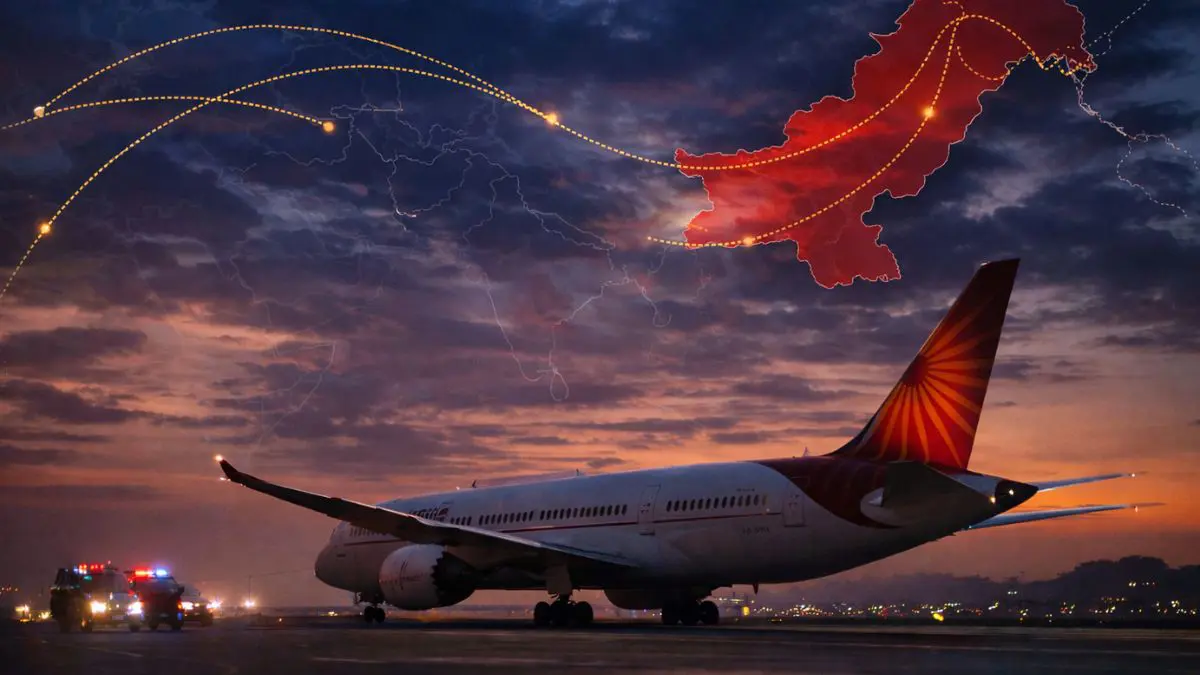
Air India Ltd is expected to report an annual loss of at least ₹150 billion ($1.6 billion) for the fiscal year ending March 31, 2026, according to people familiar with the matter, underscoring the scale of operational and reputational pressure on the airline after last year’s deadly Ahmedabad crash and continued geopolitical disruption to flight routes.
The projected loss would mark a sharp widening from the prior year’s loss of ₹95.7 billion, the people said.
Air India is owned by Tata Sons (74.9%) and Singapore Airlines (25.1%), following the completion of the Vistara merger and restructuring of the group’s full-service operations.
Crash derailed turnaround momentum
The loss outlook comes as the carrier continues to deal with the aftermath of the June 12, 2025 crash of Air India Flight 171, a Boeing 787-8 Dreamliner, which went down shortly after takeoff and struck a medical college hostel in Ahmedabad.
The crash killed 260 people, including 241 on board and 19 on the ground, making it one of India’s deadliest aviation disasters in decades. Only one passenger survived.
The ongoing investigation has kept intense scrutiny on Air India’s safety, operational controls, and maintenance systems, complicating the carrier’s turnaround plans under the Tata Group’s multi-year transformation programme.
Pakistan extends airspace ban to Feb 24
Adding to the strain, Pakistan has extended its ban on Indian aircraft using its airspace, issuing a new Notice to Airmen (NOTAM) that keeps restrictions in place until February 24, 2026, according to aviation notices and reports.
The closure forces Indian carriers to take longer routes for key flights to Europe and North America, increasing costs through additional fuel burn, crew hours, and operational complexity.
Industry executives estimate the detours add over an hour to certain long-haul sectors, intensifying cost pressure at a time when airlines are already facing high fleet utilisation and disrupted schedules.
Concentrated market amplifies ripple effects
Air India’s challenges also carry broader industry consequences in a concentrated market where IndiGo dominates domestic share, while Air India controls a large portion of India’s wide-body international capacity.
Disruption in wide-body scheduling can tighten supply on key overseas corridors, pushing fares higher and reducing route flexibility for corporate travellers.
The Tata Group has continued to inject capital into the airline’s operational upgrades, including maintenance and safety investments, though people tracking the airline said the crash and route disruption have materially delayed the recovery timeline.
Air India, Tata Group, and Singapore Airlines declined to comment on internal loss estimates ahead of the end of the financial year.
Why This Matters
- Air India’s turnaround is critical to India’s long-haul aviation capacity
- Airspace bans directly raise operating costs and reduce aircraft productivity
- The crash has created a long-lasting trust and regulatory overhang
Summary
Air India is expected to post a FY26 loss of at least ₹150 billion ($1.6 billion) as the carrier absorbs the fallout of the June 2025 Ahmedabad crash and continued cost pressure from Pakistan’s extended airspace ban through Feb 24, 2026. The disruptions have delayed the airline’s recovery plan and increased operational costs across key international routes.
FAQs
Q1: What was the final death toll in the Ahmedabad crash?
The crash killed 260 people — 241 on board and 19 on the ground. One passenger survived.
Q2: How long has Pakistan extended the airspace ban?
The ban has been extended until Feb 24, 2026, according to aviation notices and reports.
Q3: Who owns Air India now?
Air India is privately held, owned by Tata Sons (74.9%) and Singapore Airlines (25.1%).
Q4: Why does the airspace ban raise costs?
Longer flight times increase fuel burn, crew hours, maintenance load, and can reduce aircraft utilisation efficiency.
Q5: Is the crash investigation complete?
No. The official investigation is ongoing and final conclusions have not been released.

























