Air India Express set for first operating profit under Tata, internal memo indicates
By Cygnus | 05 Feb 2026
Summary
Air India Express is on track to record its first operating profit since privatisation, driven by rising capacity and a growing share of India’s highly competitive aviation market. The milestone comes as parent Tata Group continues its multi-year turnaround of the Air India portfolio — even as full-service carrier Air India faces cost pressures and operational headwinds.
Air India Express is expected to post an operating profit in the second half of the current fiscal year ending in March, according to an internal update shared with employees and seen by Reuters.
Executives outlined the improving performance during a recent company town hall, highlighting the low-cost carrier as a rare bright spot within the wider Air India Group as it navigates geopolitical disruptions and fleet delivery delays.
A bright spot amid group-wide headwinds
The positive outlook for Air India Express comes as Air India grapples with higher costs after Pakistan barred Indian airlines from using its airspace, forcing longer routes and increased fuel burn on several international services.
Against that backdrop, the budget carrier’s progress suggests Tata’s restructuring strategy is beginning to deliver tangible financial improvements — at least within the low-cost segment.
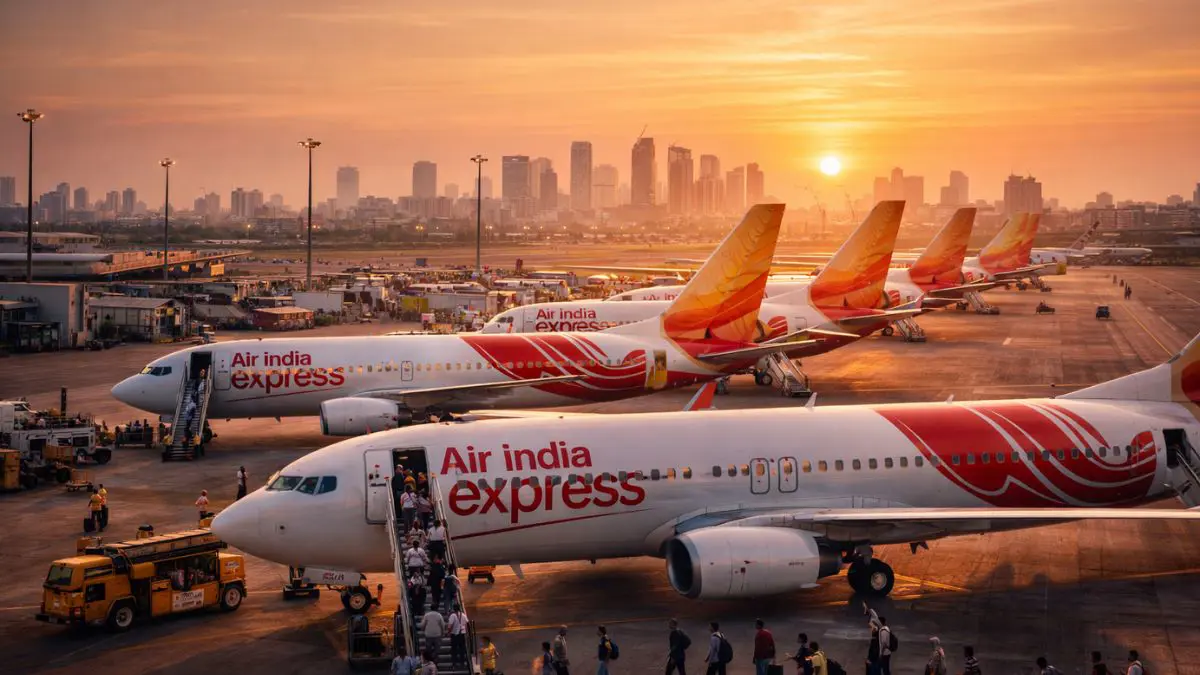
Air India Express now operates more than 100 narrowbody aircraft across Boeing and Airbus fleets and is investing over $70 million in cabin upgrades and reliability improvements to strengthen operational efficiency and passenger experience.
Aggressive expansion plans
Management has previously outlined plans to double capacity within four to five years, supported by a long-term fleet target of more than 200 aircraft.
Last month, the airline announced the addition of 30 Boeing 737 MAX jets, reinforcing its push to capture a larger share of India’s booming domestic and short-haul international travel markets — where low-cost carriers dominate passenger volumes.
Turnaround under close watch
Both Air India and Air India Express remain under intense scrutiny as Tata works to revive the former state-run airline group after decades of underinvestment.
While Air India is undergoing a multi-billion-dollar transformation, progress has been slowed by aircraft delivery delays from global manufacturers and rising operational costs.
The financial turnaround also has broader implications. Singapore Airlines, which owns 25% of Air India, has seen the Indian carrier’s losses weigh on its own earnings in recent quarters.
If Air India Express delivers its projected operating profit, it would mark a major milestone in Tata’s aviation revival strategy — and signal that the low-cost model could play a central role in stabilising group finances.
Why This Matters
Air India Express reaching operating profitability would be the first clear financial success of Tata Group’s ambitious airline turnaround.
It shows that:
- Low-cost aviation remains the strongest growth engine in India
- Fleet modernisation is beginning to translate into financial performance
- Tata’s restructuring strategy may be working faster in budget travel than in premium aviation
With India set to become one of the world’s largest aviation markets this decade, a profitable low-cost arm could be crucial in funding Air India’s broader transformation.
FAQs
Q1. What milestone is Air India Express expected to achieve?
Its first operating profit since being privatised under Tata Group ownership.
Q2. What is driving the improvement?
Rising capacity, growing market share, and fleet investments improving efficiency.
Q3. How large is the fleet now?
More than 100 narrowbody aircraft across Boeing and Airbus models.
Q4. What are its expansion goals?
To double capacity within four to five years and eventually operate over 200 aircraft.
Q5. How is the wider Air India Group performing?
Still in turnaround mode, with cost pressures from airspace restrictions and aircraft delivery delays.
Q6. Why does this matter for Singapore Airlines?
It owns 25% of Air India, so the group’s performance directly impacts its earnings.

























