Taiwan parliament approves $25 billion defence spending package
By Axel Miller | 08 May 2026
Summary
- Taiwan’s parliament has approved a special defence spending package worth NT$780 billion (around $25 billion) after months of political negotiations.
- The approved funding will primarily support purchases of US-made defence systems, including missile platforms and artillery systems.
- Opposition parties reduced the size of the government’s original proposal while backing key military modernization priorities.
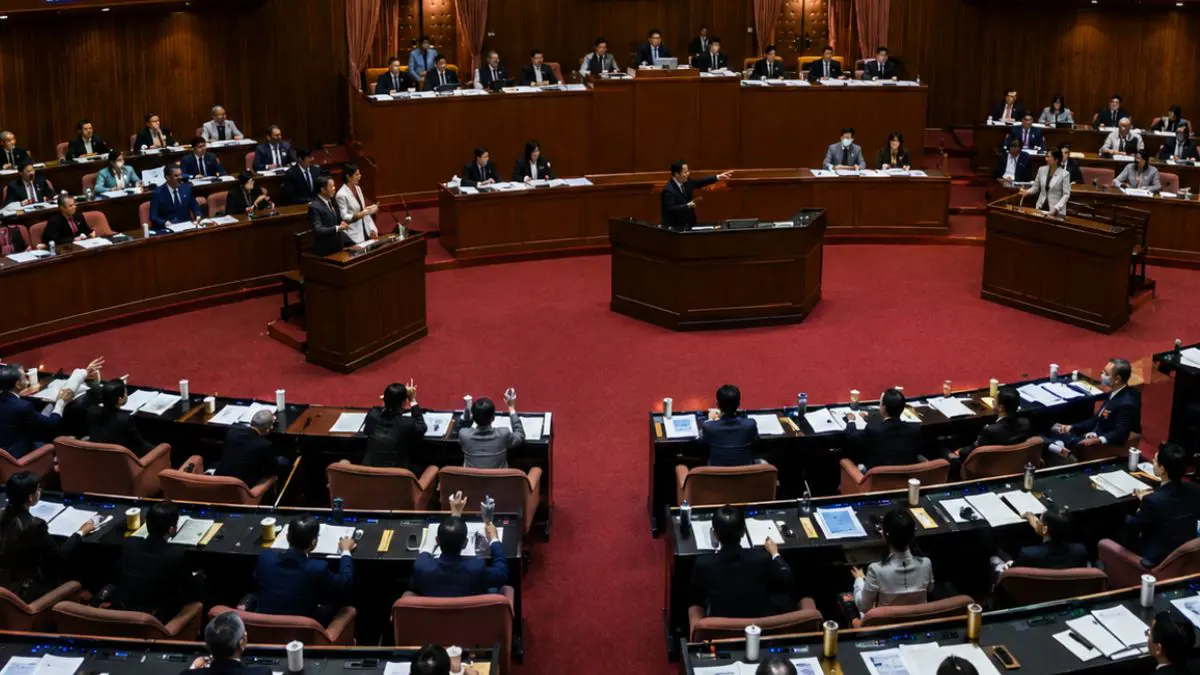
TAIPEI, May 8, 2026 — Taiwan’s Legislative Yuan has approved a special defence spending package worth NT$780 billion (approximately $25 billion), ending months of political deadlock over military modernization plans.
The bill passed on Friday after negotiations between the ruling Democratic Progressive Party (DPP) and opposition parties, including the Kuomintang (KMT) and the Taiwan People’s Party (TPP).
The approved package is smaller than the NT$1.25 trillion proposal originally sought by President Lai Ching-te’s administration. Opposition lawmakers argued that the revised bill should prioritize critical defence procurement and improve spending oversight.
Focus on US military systems
The funding package is expected to support purchases of major US defence platforms and related military equipment as Taiwan continues efforts to strengthen deterrence capabilities.
The procurement plan reportedly includes systems such as HIMARS rocket launchers, artillery systems, missile platforms and air defence equipment.
Taiwan’s Ministry of National Defense has been accelerating procurement discussions with the United States amid growing regional security concerns and rising military pressure from China.
Analysts said the package reflects Taiwan’s continued focus on asymmetric warfare capabilities, emphasizing mobile missile systems, precision weapons and advanced air defence technologies.
Debate over domestic defence production
The final version of the bill reportedly reduced or excluded some proposed spending related to domestic defence manufacturing programmes.
Lawmakers from the ruling DPP expressed concerns that limiting investment in locally developed defence technologies could slow efforts to build long-term self-reliance in areas such as drones, ammunition and indigenous defence systems.
Opposition parties defended the changes, arguing that the revised package focuses more directly on urgent military procurement needs and budget discipline.
Regional and diplomatic implications
The defence spending approval comes amid heightened geopolitical attention on Taiwan and broader US-China relations.
Security analysts said the move is likely to be closely watched by both Washington and Beijing, particularly as regional tensions continue to shape Indo-Pacific defence strategies.
The legislation also provides greater clarity for US defence contractors involved in supplying military systems to Taiwan under existing foreign military sales agreements.
Why this matters
- Military modernization: The package supports Taiwan’s ongoing efforts to strengthen defence readiness and deterrence capabilities.
- US-Taiwan defence ties: The bill reinforces Taiwan’s reliance on US defence technology and military procurement.
- Regional security tensions: Defence spending remains a key issue amid rising cross-strait tensions and Indo-Pacific security concerns.
- Debate over self-reliance: Taiwan continues balancing foreign procurement with the development of domestic defence industries.
FAQs
Q1. How large is Taiwan’s new defence package?
Taiwan’s parliament approved a defence spending bill worth NT$780 billion, or about $25 billion.
Q2. What military systems are included?
The package is expected to fund US-made systems including HIMARS launchers, missile systems, artillery and air defence equipment.
Q3. Why was the original proposal reduced?
Opposition parties argued the initial proposal was too large and sought tighter focus on core defence procurement priorities.
Q4. Why is this vote important?
The legislation advances Taiwan’s military modernization plans at a time of elevated regional security tensions.