Musk says steps to block Russia’s use of Starlink appear to be working
By Cygnus | 02 Feb 2026
Summary
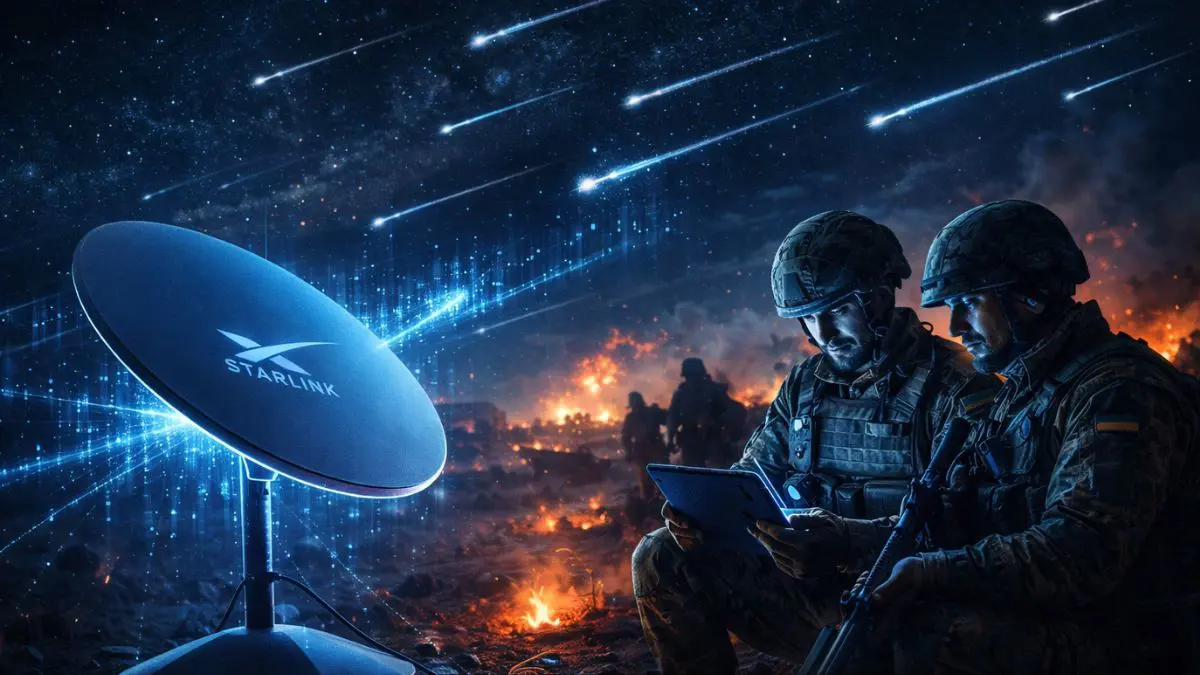
Elon Musk said recent steps taken by SpaceX to block what he described as unauthorized Russian use of Starlink appear to be working, as Ukraine tightens technical controls over the battlefield communications network. The move follows reports that Russian forces were using Starlink terminals in drone operations, underscoring how commercial satellite systems are becoming critical tools in modern warfare.
Elon Musk said SpaceX’s recent measures to prevent what he called “unauthorized” Russian access to Starlink are showing results, as Ukraine continues efforts to ensure the satellite internet network is not exploited in the war.
The comments came after Ukrainian officials said they had identified Starlink terminals being used in Russian-linked drone operations. Kyiv relies heavily on the network for frontline communications and to support certain drone missions, making control over the system strategically vital.
In a post on X, Musk said SpaceX had acted to curb misuse of the network, adding that the steps taken so far “seem to have worked” and that further restrictions could be introduced if necessary.
Ukraine working on tighter controls
Ukraine’s defence leadership said it is developing additional safeguards in coordination with SpaceX to ensure only approved Starlink terminals can operate within Ukrainian territory.
Digital Transformation Minister Mykhailo Fedorov said initial joint measures had already produced “rapid results” in limiting Russian use of Starlink-linked drones.
The next phase involves deploying a technical system that restricts network access exclusively to authorised devices.
The effort highlights how control over commercial satellite connectivity is becoming as important as traditional weapons systems in modern conflicts.
Starlink’s expanding role in the war
Starlink has served as a communications backbone for Ukraine since the early days of Russia’s full-scale invasion in 2022, restoring connectivity after attacks damaged ground-based telecom infrastructure.
SpaceX has repeatedly said it does not sell Starlink equipment or services to Russia or its military. However, the appearance of terminals in Russian operations has raised concerns about black-market access and third-party resales.
As both sides increasingly rely on drones, real-time data, and digital coordination, satellite networks are emerging as decisive strategic assets.
Why this matters
Commercial technology is no longer just supporting warfare — it is shaping it.
The Starlink situation shows:
- Private satellite systems now underpin frontline military operations
- Controlling digital infrastructure is becoming a core security priority
- Companies are being drawn directly into geopolitical conflict management
Modern wars are increasingly fought across space, data networks, and connectivity — not just on the ground.
FAQs
Q1: Why is Starlink important to Ukraine’s military?
Starlink provides high-speed satellite internet used for battlefield communications, coordination, and some drone operations, especially where traditional networks are damaged.
Q1: What did Elon Musk say about Russia’s use of Starlink?
Musk said SpaceX has taken steps to stop unauthorized Russian access and that those measures appear to be working so far.
Q2: How could Russia obtain Starlink terminals?
While SpaceX does not sell directly to Russia, terminals can potentially reach conflict zones through third-party resellers or black-market channels.
Q3: What is Ukraine doing to prevent misuse?
Ukrainian officials are working with SpaceX on technical controls that allow only authorised terminals to function within the country.
Q4: Has commercial satellite internet played such a role in wars before?
Ukraine’s conflict is one of the first major wars where a private satellite network has been central to real-time military operations.
Q5: Can SpaceX fully control Starlink usage in war zones?
SpaceX can apply geofencing and device-level restrictions, but enforcing control in active conflict areas remains complex.
Q6: What does this signal for future conflicts?
Private digital infrastructure — satellites, cloud systems, and AI platforms — will likely become key strategic assets, raising new security and regulatory challenges.

























