Trump’s Venezuela Pivot Squeezes China; Refiners Shift Toward Canadian Crude and Iranian Heavy
By Axel Miller | 08 Jan 2026
China’s independent oil refiners, abruptly cut off from Venezuelan supplies following the January 3rd capture and extradition of Nicolás Maduro, are pivoting their procurement strategies. As President Donald Trump moves to reclaim influence over the world’s largest oil reserves, Chinese buyers are looking to Canada and Iran to fill a massive heavy-crude void.
Traders report a sharp uptick in inquiries for Canadian grades following the Trump administration’s announcement on Wednesday that Venezuela will redirect up to $2 billion in oil exports—previously bound for Asia—directly to the United States.
The “Teapot” Dilemma: Canada vs. Iran
While Canada’s Trans Mountain Pipeline (TMX) offers a logistical “express lane”—taking just 17 days from Vancouver to Qingdao—the economics are proving difficult for smaller independent refiners, or “teapots.”
Unlike the heavily discounted Venezuelan Merey, Canadian Western Canadian Select (WCS) trades at a premium to sanctioned grades. Consequently, analysts at Kpler and Reuters report that while state-owned giants like Sinopec are exploring Canadian barrels, smaller refiners in Shandong are primarily pivoting toward Iranian Heavy. Iranian crude remains the cheapest alternative, trading at a discount of nearly $10–$11 per barrel to Brent.
Short-term Buffer: The Floating Storage
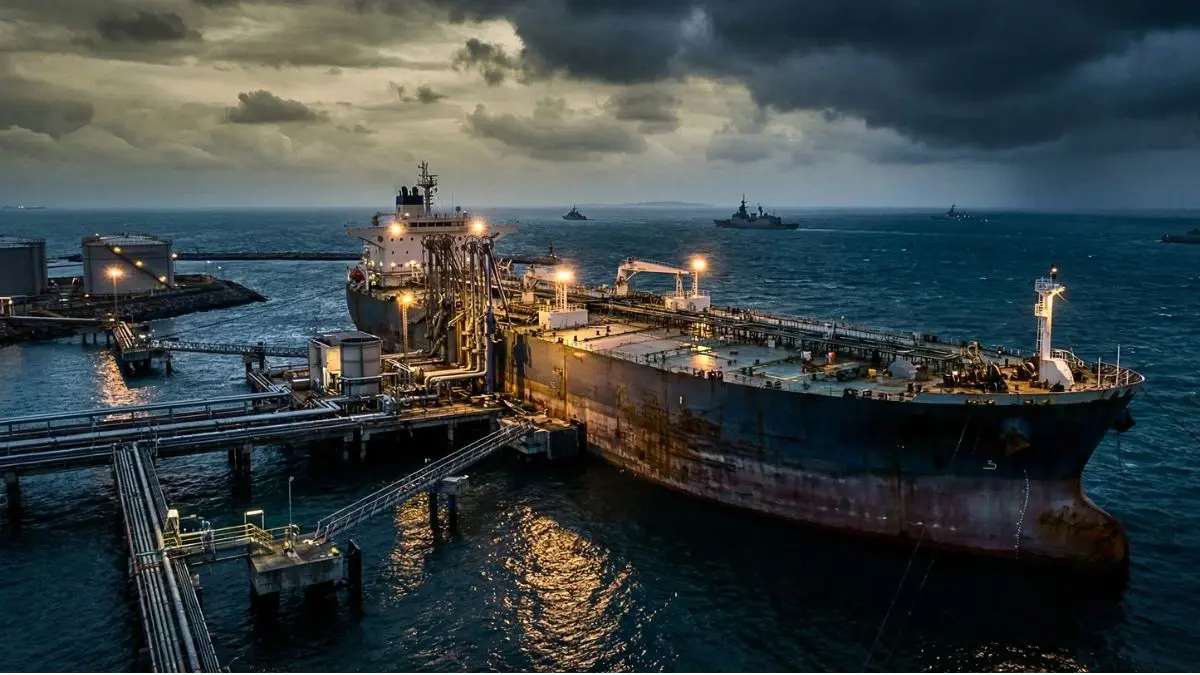
The immediate supply crunch is softened by a significant safety net. Approximately 22 million barrels of Venezuelan crude are currently in floating storage off the coasts of China and Malaysia. This buffer is expected to last roughly 75 days, giving Beijing until mid-March to finalize long-term supply pivots as Venezuelan ports remain under a U.S.-led blockade.
Summary
U.S. military action in Venezuela has effectively seized China’s primary source of discounted heavy crude. While the Trans Mountain Pipeline makes Canada a viable alternative, the higher cost is driving Chinese “teapot” refiners toward Iranian and Russian supplies. With a 75-day floating inventory as a cushion, the global heavy-crude trade is entering its most volatile era since the TMX expansion.
Frequently Asked Questions (FAQs)
Q1: How did Trump’s policy change Venezuelan exports?
Following Maduro’s capture, President Trump announced on January 6 that the U.S. would manage Venezuela’s oil, redirecting it to U.S. refineries to “repay” reconstruction costs and stabilize domestic gas prices.
Q2: Why is Canadian crude not the only alternative for China?
Canada’s WCS is a high-quality heavy crude, but it lacks the “sanctions discount.” Independent refiners who survived on cheap Venezuelan oil are choosing Iranian Heavy because it is significantly cheaper.
Q3: What is the role of the “Dark Fleet”?
“Dark Fleet” tankers were the informal channel for Venezuelan oil. With the U.S. now “in charge” of the ports, these tankers are essentially stranded, with their current floating cargo providing China’s only remaining Venezuelan supply.
Q4: When will the supply gap hit China hardest?
By March 2026. The current 22M barrels on the water will be exhausted by then, forcing refiners to have new contracts in place with Canada, Iran, or Brazil.