Indian Refiners Rebalance Crude Sourcing as Govt Seeks Weekly Data on Russian, U.S. Oil Flows
By Axel Miller | 21 Jan 2026
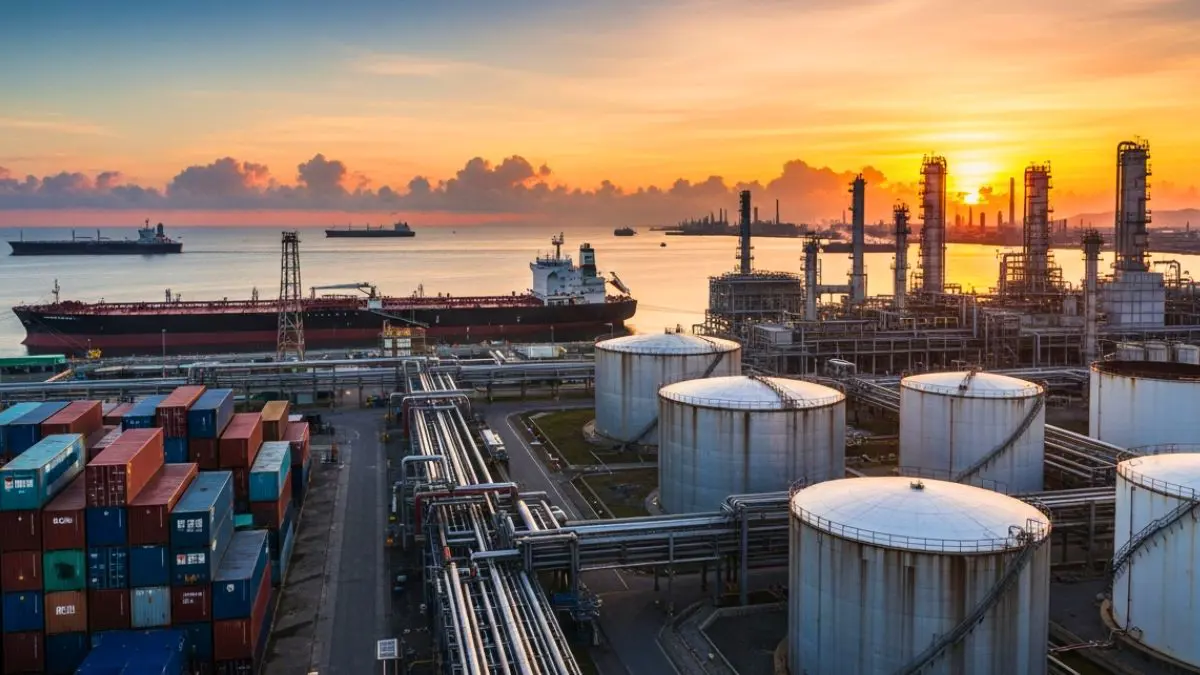
Indian refiners have begun rebalancing crude procurement in recent weeks, trimming purchases of Russian oil and sourcing more supplies from OPEC producers, the United States and South America, as government tracking of import flows intensifies amid sensitive trade talks with Washington.
The shift comes after India’s oil ministry, through its Petroleum Planning and Analysis Cell (PPAC), asked refiners to provide weekly updates on crude purchases from Russia and the United States, a move sources said was required by the Prime Minister’s Office as New Delhi seeks to advance a long-discussed trade agreement with the U.S.
Russian share drops to two-year low in December
Data for December 2025 showed India’s imports of Russian crude fell to their lowest level since January 2023, amid heightened compliance and sanctions-related disruption affecting Russian oil flows.
As Russian volumes declined, OPEC suppliers regained market share. OPEC’s share of India’s crude imports climbed to 53.2%, an 11-month high, while Russia’s share dropped to 27.4%, the lowest since January 2023.
Despite the decline, Russia remained India’s largest crude supplier on an individual country basis, followed by Iraq and Saudi Arabia, according to Reuters.
State refiners lock in Middle East supply; others watch discounts
State-run refiners have also moved to secure steadier supply lines from traditional Middle East partners. Bharat Petroleum Corp (BPCL) recently finalised import tenders for Iraq’s Basrah crude and Oman crude for one-year supply contracts, industry sources said.
Meanwhile, Indian buyers continue to evaluate Russian spot cargoes based on compliance risk and pricing. Market participants said discounts on Russian grades have widened in recent weeks as some refiners step back due to sanctions-related caution, while others look for cost-effective windows.
“The strategy is about balancing geopolitical risk with commercial opportunity,” a senior refinery source said.
U.S. tariffs add pressure amid trade talks
The crude rebalancing is taking place amid ongoing trade negotiations between India and the United States and renewed tariff tensions.
In 2025, U.S. President Donald Trump doubled tariffs on some Indian imports to as high as 50%, citing India’s heavy purchases of discounted Russian oil, and has recently warned of further action if New Delhi does not curb Russian crude buying.
Analysts have cautioned the fall in Russian oil imports may partly reflect temporary compliance and logistical disruption, rather than a permanent shift away from Russia.
Why This Matters
This development matters because it sits at the intersection of energy security, geopolitics and trade policy:
- Oil imports are now a trade negotiation lever
India’s crude basket is increasingly being scrutinised as part of broader U.S.–India trade talks. - Sanctions compliance is shaping refinery behavior
Even without a formal policy shift, sanctions-related banking, shipping and insurance constraints can significantly redirect crude flows. - Middle East suppliers are regaining market power
With Russian flows disrupted, OPEC producers are able to rebuild share and strengthen long-term term-contract influence.
Summary
Indian refiners trimmed Russian crude intake in December 2025 amid sanctions-related compliance challenges, pushing OPEC’s share of India’s crude imports to 53.2% while Russia’s share fell to 27.4%. India’s oil ministry has asked refiners to submit weekly import data on Russian and U.S. crude, sources said, as New Delhi seeks to advance trade negotiations with Washington.
FAQs
Q1: Why did India ask refiners for weekly disclosures?
Reuters reported the data request was made via PPAC and was required by the PMO, as India seeks timely, accurate crude-flow data while trade talks with the U.S. continue.
Q2: Is Russia still India’s top crude supplier?
Yes. Even after the December decline, Russia remained India’s largest crude supplier, followed by Iraq and Saudi Arabia.
Q3: Why are refiners buying less Russian oil?
Because sanctions-related compliance, shipping and payment challenges have increased risk and complexity around some Russian cargoes.
Q4: Are Russian crude discounts still available?
Yes, traders say discounts remain, although pricing fluctuates based on supply, demand, sanctions-related constraints and freight.
Q5: What does BPCL’s tender move indicate?
It suggests refiners are reinforcing long-term Middle East supply lines to improve stability and reduce spot-market volatility.