Tata Steel commissions scrap-based plant in Ludhiana as it expands low-carbon steel push
By Cygnus | 20 Mar 2026
Summary
Tata Steel commissions a scrap-based Electric Arc Furnace (EAF) facility in Ludhiana, Punjab.
The plant reflects the company’s focus on expanding secondary steelmaking and reducing carbon intensity.
India is promoting scrap-based steel production as part of efforts to lower emissions and improve resource efficiency.
LUDHIANA, March 20, 2026 — Tata Steel has commissioned a scrap-based steel plant in Ludhiana, marking a step in its efforts to expand lower-emission steelmaking capacity in India.
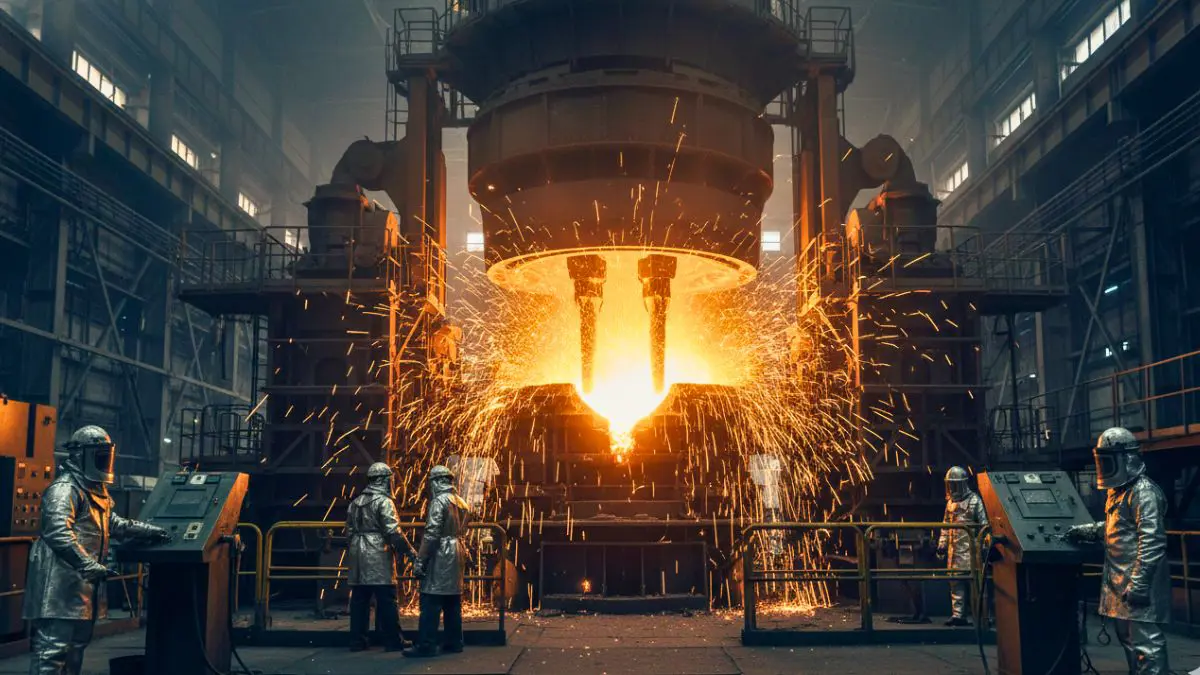
The facility, located in Punjab’s industrial belt, uses Electric Arc Furnace (EAF) technology, which produces steel from recycled scrap rather than iron ore, helping reduce the carbon footprint compared with traditional blast furnace methods.
Company executives said the plant is strategically located in Ludhiana, a key hub for scrap generation and steel consumption, allowing closer integration with local supply chains.
Shift toward scrap-based steel
Electric Arc Furnaces are increasingly being adopted globally as steelmakers seek to cut emissions and align with climate goals. India’s policy framework, including the National Steel Policy, has also encouraged greater use of scrap-based production.
Industry analysts note that EAF-based steelmaking can significantly lower emissions depending on the electricity source, though actual reductions vary based on energy mix and operational efficiency.
Local supply chain advantages
The Ludhiana facility is expected to source steel scrap domestically, supporting the development of a more circular steel economy.
Producing steel closer to consumption centres can also reduce logistics costs and associated emissions, particularly for construction-grade products.
Focus on construction segment
Tata Steel said the plant will cater primarily to the construction sector, which accounts for a large share of steel demand in India, driven by urbanisation and infrastructure development.
Why this matters
- Lower emissions: Scrap-based steelmaking is a key pathway for reducing carbon intensity in the sector.
- Circular economy: Increased use of recycled scrap supports resource efficiency and reduces reliance on iron ore.
- Regional demand: Locating plants near consumption hubs helps cut transport costs and emissions.
FAQs
Q1. What is an Electric Arc Furnace (EAF)?
An EAF produces steel by melting scrap using electricity, rather than using coal-based blast furnaces.
Q2. Is scrap-based steel lower quality?
No. Modern EAF processes can produce high-quality steel suitable for construction and other applications.
Q3. Why is Ludhiana important for steel production?
Ludhiana is a major industrial hub with strong demand for steel and access to scrap supply.