Tata Power’s Mundra Plant Seeks Viability Through Fuel-Linked PPA Framework
By Cygnus | 24 Mar 2026
Summary
Tata Power is exploring revised power purchase agreements (PPAs) for its Mundra Ultra Mega Power Project to address long-standing fuel cost challenges.
A fuel-linked tariff structure could improve the viability of imported coal-based plants amid rising energy demand.
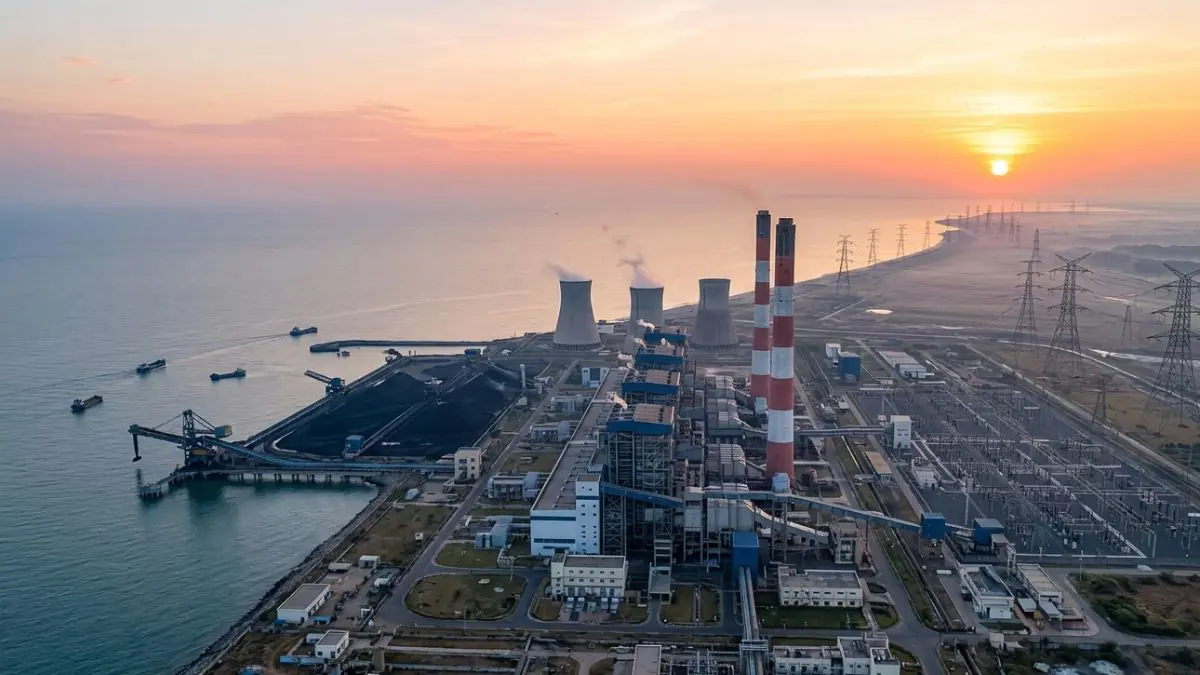
NEW DELHI, March 2026 — Tata Power is working toward a revised commercial framework for its Mundra Ultra Mega Power Project (UMPP), aiming to resolve persistent viability concerns linked to imported coal costs.
The 4,000 MW project, operated by Coastal Gujarat Power Limited, has long faced financial pressure due to fluctuations in international coal prices, which were not fully accounted for in its original fixed-tariff agreements.
Push for Fuel-Linked Tariffs
Industry stakeholders indicate that discussions are ongoing around supplementary PPAs that could allow partial pass-through of fuel costs.
Such a mechanism would:
- Align tariffs with global coal price movements
- Reduce financial stress on operators
- Improve long-term sustainability of imported coal-based plants
Similar frameworks have been considered in the past through regulatory and judicial interventions.
Policy Context and Power Demand
India is preparing for record peak electricity demand during the summer months, driven by rising temperatures and economic activity.
To ensure adequate supply, the government has previously invoked provisions under the Electricity Act to:
- Direct power plants to operate at higher capacity
- Prioritize fuel allocation
- Stabilize grid availability
Imported coal-based plants like Mundra are considered important for meeting peak demand in western and northern regions.
Financial Implications
The Mundra project has historically impacted Tata Power’s financial performance due to:
- High fuel import costs
- Limited tariff flexibility
- Contractual constraints with procuring states
A revised PPA structure could:
- Improve profitability
- Reduce balance sheet stress
- Enable more consistent plant utilization
Sector-Wide Impact
Any successful restructuring at Mundra could set a precedent for other imported coal-based power plants facing similar challenges.
It may also influence:
- Future PPA designs
- Risk-sharing mechanisms between utilities and buyers
- Investor confidence in thermal power assets
Why This Matters
- Energy Security: Large thermal plants remain critical for peak demand management
- Policy Evolution: Signals a shift toward flexible tariff structures
- Financial Stability: Helps resolve legacy stress in the power sector
FAQs
Q1. Why has the Mundra plant faced financial issues?
Primarily due to rising imported coal prices not covered under fixed tariffs.
Q2. What is a fuel-linked PPA?
It allows electricity tariffs to adjust based on fuel cost changes, reducing risk for power producers.
Q3. Will this affect electricity prices?
Potentially, but it may still be more economical than procuring short-term power during shortages.