Rising fuel prices may boost EV and hybrid interest amid global supply concerns
By Axel Miller | 18 Mar 2026
Summary
- Fuel prices have risen in recent weeks amid geopolitical tensions and supply concerns linked to key routes like the Strait of Hormuz
- Interest in electric vehicles (EVs) and hybrids tends to increase during periods of higher fuel costs
- However, high vehicle prices and financing costs remain barriers to large-scale adoption
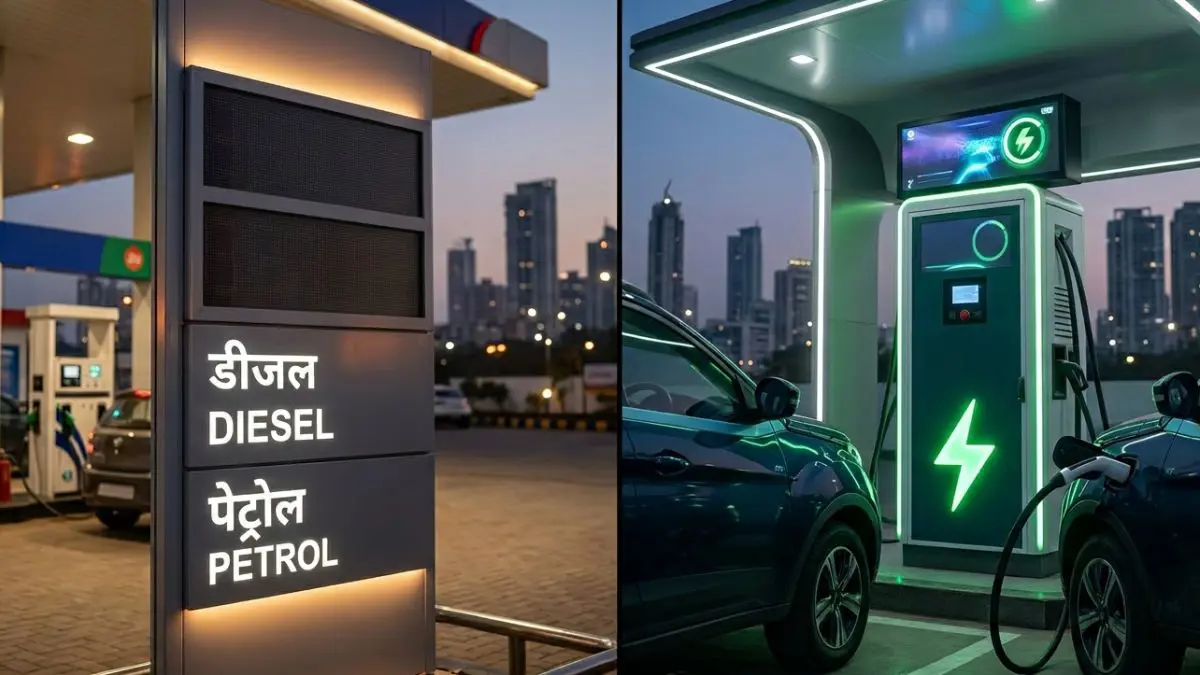
MARCH 18, 2026 — Rising fuel prices driven by global supply concerns are prompting renewed interest in electric vehicles (EVs) and hybrid models, as consumers weigh long-term savings against upfront costs.
Recent geopolitical tensions have raised concerns about potential disruptions to oil flows through critical transit routes such as the Strait of Hormuz, a key channel for global crude shipments. While supplies have not been significantly disrupted, market uncertainty has contributed to higher fuel prices across several regions.
In the United States and parts of Europe, retail fuel prices have edged higher in recent weeks, reflecting volatility in global oil markets. Analysts note that such increases often influence consumer behavior, particularly in the automotive sector.
Historically, periods of elevated fuel prices have led to increased interest in electrified vehicles, including battery electric vehicles (BEVs), plug-in hybrids, and conventional hybrids. Industry data from firms such as Edmunds suggests that online searches and consideration for these vehicles tend to rise when gasoline prices climb.
However, affordability remains a key constraint. The cost of new vehicles—especially EVs—continues to be relatively high compared to conventional internal combustion engine (ICE) cars. In addition, elevated borrowing costs have made financing less accessible for many buyers, limiting the pace of any immediate shift.
Market analysts also point out that hybrid vehicles often see stronger short-term demand during such periods, as they offer improved fuel efficiency without requiring full reliance on charging infrastructure.
Automakers and dealers may respond to changing consumer sentiment with promotional offers and financing options, though the extent of their impact depends on broader economic conditions and sustained fuel price trends.
Why this matters
- Consumer behavior shift: Rising fuel costs can influence buyers to consider fuel-efficient alternatives
- EV adoption dynamics: Interest may increase, but affordability challenges remain
- Hybrid advantage: Hybrids offer a practical middle ground during periods of uncertainty
- Market sensitivity: Sustained price increases are typically needed to drive long-term adoption changes
FAQs
Q1. Why are fuel prices rising?
Fuel prices are influenced by global supply and demand, and recent geopolitical tensions have increased concerns about potential supply disruptions.
Q2. Do higher fuel prices increase EV demand?
Higher fuel prices often lead to increased interest in EVs and hybrids, though actual purchases depend on affordability and financing conditions.
Q3. Are EVs cheaper to run than petrol cars?
EVs generally have lower running costs, but higher upfront prices can offset these savings in the short term.
Q4. Why are hybrids gaining attention?
Hybrids provide better fuel efficiency than traditional vehicles without requiring charging infrastructure, making them appealing during uncertain periods.
Q5. Will fuel price increases permanently shift the market to EVs?
Short-term spikes usually increase interest, but long-term adoption depends on sustained trends, policy support, and cost reductions.

























