Oil tanker hit near Dubai as Iran tensions escalate, pushing oil prices higher
By Cygnus | 31 Mar 2026
Summary
- Oil tanker attacked and set ablaze off Dubai amid escalating conflict
- Trump warns of potential strikes on Iran’s energy infrastructure
- Oil prices surge, with U.S. gasoline rising above $4 per gallon
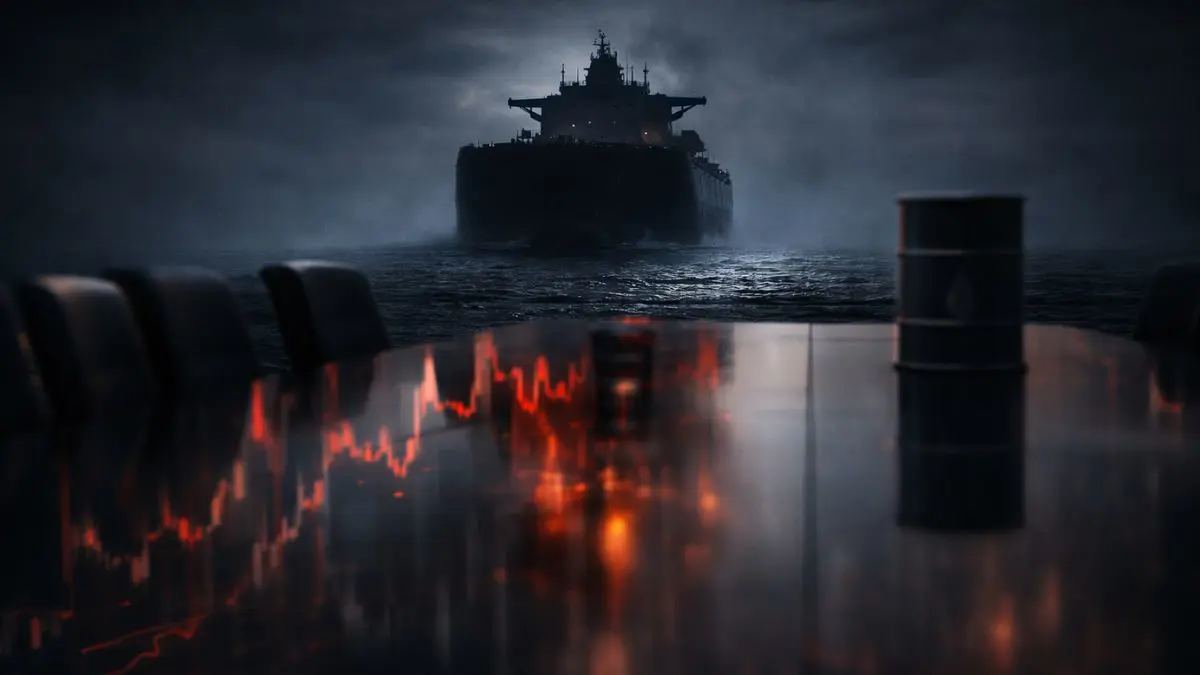
TEL AVIV/WASHINGTON, March 31, 2026 — A crude oil tanker was struck and set ablaze off the coast of Dubai, marking a significant escalation in Middle East tensions and raising concerns over global energy supply and market stability.
The Kuwait-flagged tanker Al-Salmi, carrying approximately 2 million barrels of crude oil, was hit early Tuesday in what authorities described as a drone attack. The vessel, owned by Kuwait Petroleum Corporation, sustained hull damage and caught fire, though officials said the blaze was brought under control with no reported injuries or oil spill.
The incident is the latest in a series of attacks targeting commercial shipping in the Gulf and the Strait of Hormuz since hostilities intensified following U.S. and Israeli actions against Iran in late February.
Global oil markets reacted sharply. Crude prices rose following the attack, reflecting heightened concerns over supply disruptions in one of the world’s most critical energy corridors. The tanker’s cargo alone is estimated to be worth more than $200 million at current prices.
The Strait of Hormuz remains a key chokepoint for global energy flows, handling a substantial share of the world’s oil and liquefied natural gas shipments. Any disruption to transit through the strait has immediate implications for global pricing and supply.
In the United States, rising fuel costs are beginning to impact consumers. Average gasoline prices have moved above $4 per gallon for the first time in more than three years, according to market data, as tightening global supplies push energy costs higher.
Brent crude has climbed sharply this month, rising above $113 per barrel amid ongoing geopolitical tensions and supply concerns.
Military escalation and diplomatic signals
Hostilities across the region continue to intensify. Iran-aligned Houthi forces have launched missile and drone attacks toward Israel, while regional air defense systems have intercepted additional threats.
Israel has carried out strikes targeting what it described as military infrastructure in Tehran and facilities linked to Hezbollah in Beirut. Explosions were reported in parts of Tehran following warnings of incoming strikes.
Casualties have been reported across multiple areas of conflict, while incidents involving United Nations personnel have added to international concern.
Iran’s military said its recent operations targeted locations it described as U.S.-linked positions across the region as well as sites in Israel.
Meanwhile, the United States has begun deploying additional forces, including elements of the 82nd Airborne Division, as it expands its military posture while continuing diplomatic engagement.
The White House said discussions with Iran are ongoing, with a new deadline of April 6 set for reopening the Strait of Hormuz. Officials indicated that while public statements remain firm, private communications suggest continued dialogue.
Iran acknowledged receiving proposals through intermediaries but described them as “unrealistic” and “excessive.”
Trump signals tougher stance
Following Iran’s response, Donald Trump said the United States could target key Iranian energy assets—including oil wells, power plants, and export infrastructure—if the strait remains blocked and no agreement is reached.
At the same time, reports suggesting potential flexibility in U.S. strategy have provided some relief to markets, with oil prices easing slightly from their peaks and equities recovering from earlier declines.
U.S. Secretary of State Marco Rubio said the strait would ultimately be reopened, while the administration is also considering broader funding measures related to the conflict.
Why this matters
- Signals rising risks to global energy supply chains and oil prices
- Highlights inflationary impact on consumers and fuel costs
- Increases uncertainty across global financial markets
- Reinforces the strategic importance of the Strait of Hormuz
FAQs
Q1: What happened to the oil tanker near Dubai?
A Kuwait-flagged tanker was hit in a drone attack, causing a fire and damage but no injuries or oil spill.
Q2: Why are oil prices rising?
Supply risks and geopolitical tensions in the Middle East are pushing crude prices higher.
Q3: Why is the Strait of Hormuz important?
It is one of the world’s most critical routes for oil and gas shipments.
Q4: What is the U.S. response?
The U.S. is increasing troop deployments while continuing diplomatic talks with Iran.
Q5: Are negotiations ongoing?
Yes, discussions are continuing, with a deadline set for early April.

























