Zimbabwe Seals $455 Million Deal with Jindal to Overhaul Hwange Power Plant
By Cygnus | 17 Sep 2025
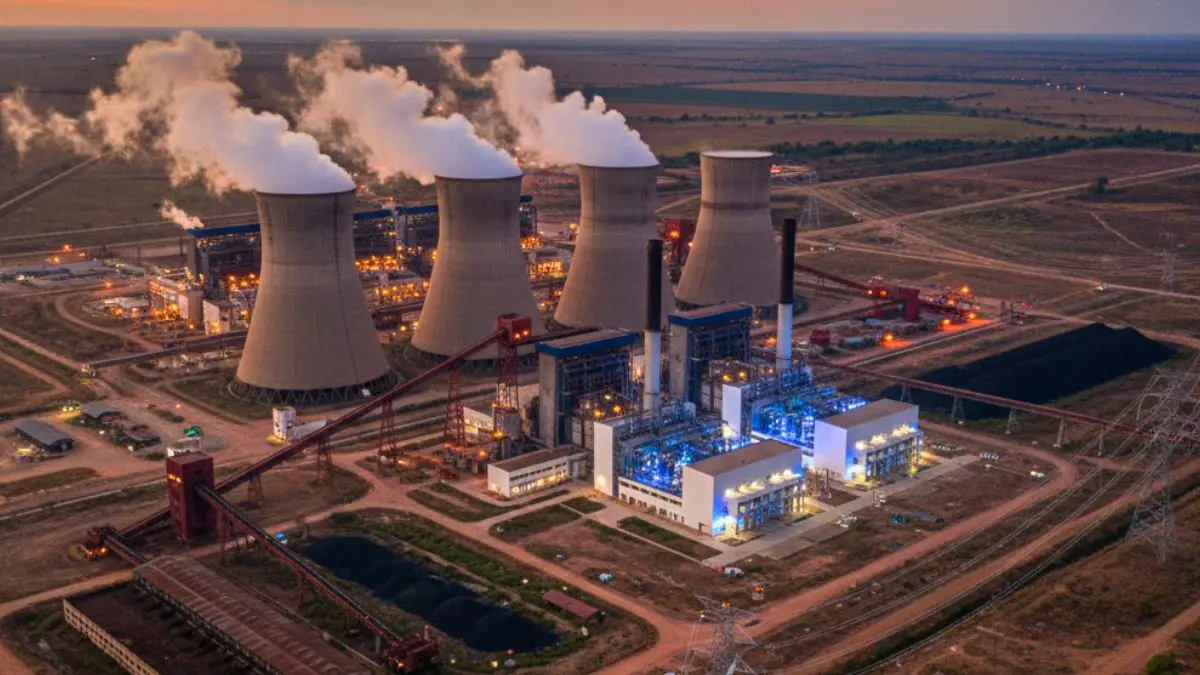
Zimbabwe has inked a significant $455 million, 15-year concession agreement with Jindal Africa, the regional arm of India’s Jindal Steel, aimed at refurbishing the nation’s largest coal-fired power plant. This crucial deal targets the overhaul of six ageing units at the Hwange thermal power station, which collectively contribute 920 megawatts to the grid.
Energy Minister July Moyo announced on Tuesday that the refurbishment work is projected to span four years. Jindal Africa will recoup its investment through the sale of electricity generated by the upgraded units. This agreement marks one of the most substantial private-sector commitments in recent times to Zimbabwe’s energy sector, which has long grappled with chronic power shortages.
Currently, Zimbabwe struggles to meet approximately half of its 2,000 MW power demand, leading to prolonged blackouts for both households and businesses. With an unreliable energy supply hindering economic growth, officials are optimistic that this refurbishment will stabilize the national grid and alleviate pressure on industrial operations.
Revitalizing a Key Energy Asset
The Hwange plant, initially commissioned in the 1980s, has been plagued by frequent breakdowns, with most of its original units operating at barely a third of their designed capacity. While a partial upgrade in 2023 saw the commissioning of two new units adding 600 MW, the majority of the station's older infrastructure remains in disrepair.
Zimbabwe has also relied heavily on the Kariba hydropower station, which received a 300 MW boost in 2018, increasing its capacity to 1,050 MW. However, its output has been inconsistent due to recurrent droughts impacting water levels in Lake Kariba.
With Jindal Africa's intervention, Harare aims not only to extend the operational life of its largest power station but also to instill confidence in investors and industries that a stable energy supply can underpin long-term economic recovery.
Summary:
Zimbabwe has finalized a $455 million deal with Jindal Africa to refurbish six units of the Hwange power plant over a four-year period. This project is deemed essential for stabilizing the electricity supply in a country frequently affected by blackouts, highlighting the critical role of foreign investment in modernizing Zimbabwe’s aging energy infrastructure.
Frequently Asked Questions (FAQs)
1. What is the value of the deal between Zimbabwe and Jindal Africa?
The agreement is worth $455 million and spans 15 years, focusing on refurbishing six ageing units of the Hwange thermal power station.
2. How will Jindal Africa recover its investment in the Hwange project?
Jindal Africa will recoup its $455 million investment through revenue generated from electricity sales once the refurbished units are back in operation.
3. Why is the Hwange power plant refurbishment important for Zimbabwe?
The plant is the country’s largest thermal power station and a backbone of the national grid. Refurbishment is expected to stabilize electricity supply, reduce blackouts, and support economic growth.
4. How much electricity does Zimbabwe currently generate compared to its demand?
Zimbabwe produces only about 1,000 MW against a national demand of roughly 2,000 MW, leading to chronic power shortages and frequent load-shedding.
5. What challenges have affected Zimbabwe’s energy sector?
Aging infrastructure at power plants, frequent breakdowns, drought impacts on Kariba hydropower station, and limited new investment have all contributed to the crisis.
6. How long will the Hwange refurbishment project take?
The work is projected to take four years, with phased improvements expected to ease pressure on the grid during the process.
7. What role does foreign investment play in Zimbabwe’s power sector?
Foreign investment, such as this Jindal Africa deal, is crucial to modernizing Zimbabwe’s ageing energy infrastructure and restoring investor confidence in the country’s economic prospects.

























