Rising drone threats drive demand for counter-drone technology
By Axel Miller | 18 Jun 2026
Summary
Increasing drone incursions at airports and growing concerns about attacks on critical infrastructure are boosting demand for technologies that detect, track and counter unmanned aerial systems. Industry executives say governments, airports and infrastructure operators are accelerating investment in counter-drone capabilities as security risks evolve.
BERLIN, June 18, 2026 — Growing concerns over drone-related security threats are driving increased demand for technologies designed to detect, track and counter unmanned aerial systems, according to industry executives and security specialists.
The rise in drone activity near airports, energy facilities, ports and other critical infrastructure has prompted governments and private operators to strengthen airspace monitoring and protection measures.
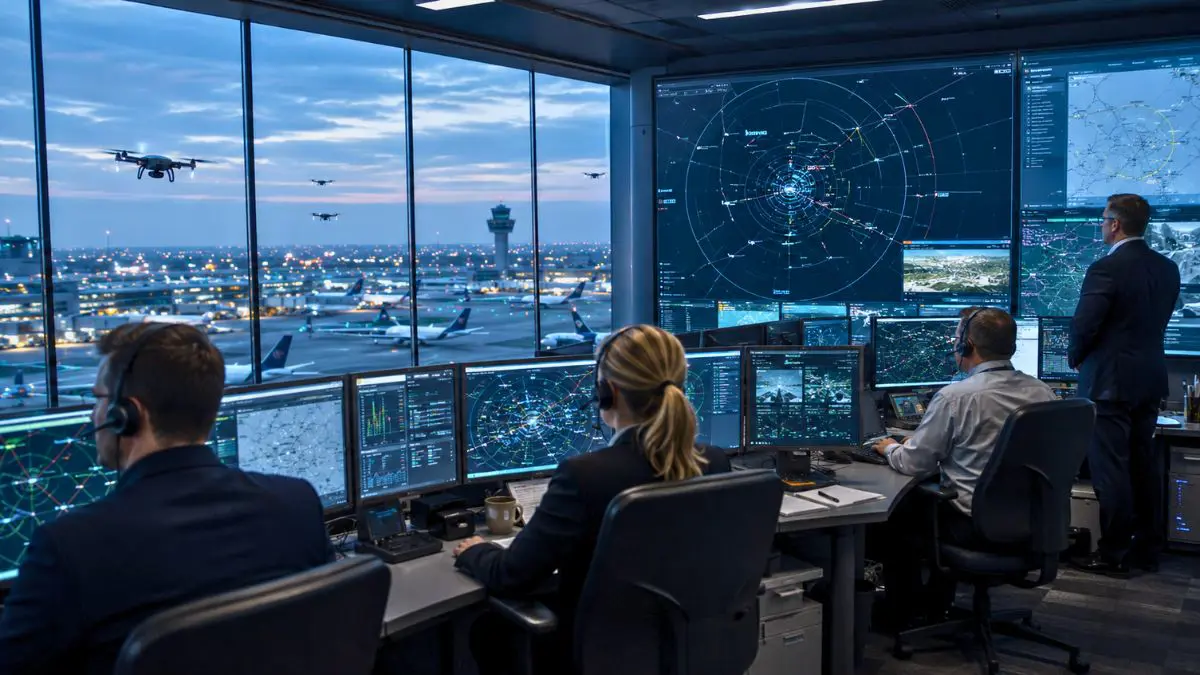
Counter-drone systems typically combine radar, radio-frequency sensors, optical cameras and software platforms to identify and track drones operating in restricted or sensitive areas. Some systems can also support mitigation measures, subject to local regulations.
Industry participants say demand has expanded beyond military customers to include airports, utilities, transportation hubs and other infrastructure operators seeking to improve protection against unauthorized drone activity.
Norwegian airport operator Avinor, which manages 43 airports, has deployed drone detection technologies as part of broader efforts to monitor airspace and reduce disruption risks.
Siete Hamminga, chief executive of Dutch drone-detection company RobinRadar, said inquiries from governments and infrastructure operators have increased significantly as organizations reassess vulnerabilities to low-cost aerial threats.
Companies across the sector are investing to meet rising demand. Radar manufacturer Echodyne is expanding production capacity at a new manufacturing facility in Washington state, while Australia’s DroneShield continues to develop radio-frequency sensing and counter-drone solutions for government and commercial customers.
Industry forecasts suggest the counter-drone market could expand substantially over the coming years as adoption increases across both defense and civilian sectors. MarketsandMarkets projects the global counter-drone market could grow from approximately $4.5 billion to $14.5 billion by 2030.
Despite growing demand, the civilian market faces regulatory limitations. Airports and infrastructure operators are often restricted from using broad-spectrum jamming technologies because of concerns that they could interfere with communications, navigation systems and emergency services.
As a result, many civilian operators are focusing on advanced detection, tracking and monitoring technologies that can identify drone threats while minimizing interference with surrounding systems.
Experts say organizations evaluating counter-drone solutions should carefully assess system capabilities, integration requirements and regulatory compliance before making significant investments.
Why this matters
- Growing infrastructure risks: Drone activity near airports, power facilities and transportation networks is creating new security challenges for operators.
- Expanding commercial market: Demand for counter-drone technologies is increasingly coming from civilian infrastructure operators, not just military customers.
- Regulatory constraints: Restrictions on jamming and interception technologies are shaping how counter-drone systems are deployed in civilian environments.
- Industry growth: Market forecasts point to strong long-term growth as governments and businesses invest in airspace security technologies.
FAQs
Q1: What is driving demand for counter-drone technology?
Rising concerns about unauthorized drone activity near airports, critical infrastructure and other sensitive locations are increasing demand for detection and monitoring systems.
Q2: Who is buying counter-drone systems?
Customers include governments, military organizations, airports, utilities, transportation operators and other infrastructure providers.
Q3: What technologies are used in counter-drone systems?
Common technologies include radar, radio-frequency sensors, optical cameras, tracking software and, where permitted, mitigation systems.
Q4: Why can’t civilian airports freely use drone jammers?
Jamming technologies can interfere with communications networks, navigation systems and emergency services, making their use subject to strict regulations.
Q5: How large could the counter-drone market become?
MarketsandMarkets estimates the sector could grow from about $4.5 billion today to approximately $14.5 billion by 2030.

























