Experimental drug shows encouraging results in treating most common form of lung cancer
By By Shaun Mason | 01 Nov 2013
An experimental cancer drug that has shown promise in the treatment of melanoma has also shown early potential as an effective treatment for patients with non-small cell lung cancer, the leading cause of cancer death among men and women worldwide.
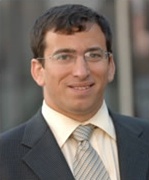 Dr. Edward Garon, director of thoracic oncology at University of California Los Angeles Jonsson Comprehensive Cancer Center, presented the preliminary results of a Phase 1B study of the new drug, called MK-3475, on 29 October at the World Conference on Lung Cancer in Sydney, Australia.
The detailed interim data on safety and activity came from a cohort of 38 patients with non-small cell lung cancer who were treated previously for the disease without positive results. For the study, the patients received MK-3475 every three weeks.
Among the participants, 24 per cent responded to the drug, with their tumours shrinking, and the median overall survival rate was 51 weeks. For those who responded, the median response duration - the average amount of time their tumours remained shrunk - had not been reached at the time of this analysis, so it is at least 62 weeks.
Based on this data, a Phase 2/3 trial comparing two different doses of MK-3475 to standard chemotherapy for lung cancer has begun enrolling patients.
Some cancer cells can evade detection by the immune system by expressing a protein called PD-L1, which interacts with the protein PD-1 to prevent the immune system from seeing the cancer as an invader. MK-3475, an anti-PD-1 immunotherapy drug made by Merck, allows the immune system to properly detect the cancer and to activate T cells - the so-called "foot soldiers" of the immune system - to attack and kill cancer cells.
The most commonly reported drug-related side effects in the study were rash (21 per cent), skin itching (18 per cent), fatigue (16 per cent), diarrhoea (13 perbcent) and joint pain (11 perbcent). Most side effects, however, were of low grade.
"These are early results, but we are very encouraged by what we've seen so far with this drug," Garon said. "Lung cancer patients who have disease that has grown after two prior therapies do not have many options, and we are cautiously optimistic that this might be a treatment that improves their chances in the future."
According to the American Cancer Society, approximately 1.4 million people die from non-small cell lung cancer every year. It is the most common type of lung cancer, representing approximately 85 percent of all lung cancer diagnoses.