A sodium surprise
21 Jul 2017
Irregular heartbeat - or arrhythmia - can have sudden and often fatal consequences. A biomedical engineering team at Washington University in St. Louis examining molecular behaviour in cardiac tissue recently made a surprising discovery that could someday impact treatment of the life-threatening condition.
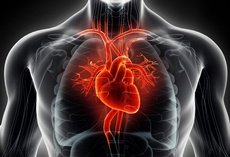 | |
| Engineers at Washington University in St. Louis have discovered something new about how sodium ions act in cardiac muscle, a finding that could someday help inform treatment of heart arrhythmia / Image: Washington University in St. Louis |
"It was a fun finding, not at all what we expected to see," says Jonathan Silva, assistant professor of biomedical engineering at the School of Engineering & Applied Science.
Silva and his team study sodium ion channels - tiny proteins in cardiac muscle that electrically control a heartbeat - and how they interact with molecules which could affect their performance. in new research, recently published by the Journal of General Physiology, Silva worked with collaborators to take a closer look at the sodium ion channels responsible for creating the electrical signal that makes the heartbeat: Zoltan Varga at the University of Debrecen in Hungary; and Jeanne M. Nerbonne, Alumni Endowed Professor of Molecular Biology and Pharmacology and Director of the Center for Cardiovascular Research at Washington University's School of Medicine.
"Sodium channels aren't made out of just one part," Silva said. "The main portion is a really big protein made up of more than 2,000 amino acids, and then there are smaller proteins called beta subunits that attach to it. We wanted to understand what the differences were in how the beta subunits controlled the channel."
Using an imaging technique called voltage-clamp fluorometry, Silva and his team observed that two different beta subunits worked on the channel in very different ways. The results were unexpected.
"Most people believe that these subunits attach to the same place on the main protein," Silva explained. "But what we found was, they attached to different places and they have different effects. We think those different effects are going to change how patients respond to drug therapies, how those different subunits control the channel, and therefore the heartbeat."
Silva says this new information is another piece in a vast puzzle: As researchers obtain better information on exactly how sodium ion channels work to keep a strong, steady heartbeat, they can work toward developing therapies specific to an individual's exact needs.
"It's gaining the mechanistic insight that we need to perform precision, molecularly-driven medicine," Silva said.