Google expands AI infrastructure in India with $15 billion Visakhapatnam hub and manufacturing plans
By Cygnus | 08 May 2026
Summary
- Google is expanding its AI infrastructure footprint in India with a large-scale data center and cloud ecosystem under development in Visakhapatnam, Andhra Pradesh.
- The company is also evaluating local production of servers and other hardware components to strengthen its supply chain resilience.
- The initiative is part of Google’s broader global investment cycle focused on scaling AI infrastructure and computing capacity.
NEW DELHI, May 8, 2026 — Google is deepening its investment in India’s digital and cloud infrastructure ecosystem with a major new data center project in Visakhapatnam and plans to explore expanded hardware manufacturing in the country, according to government officials.
Union IT Minister Ashwini Vaishnaw said after meeting Google executives that the company is evaluating opportunities to localize parts of its hardware supply chain, including servers, as demand for AI infrastructure continues to grow.
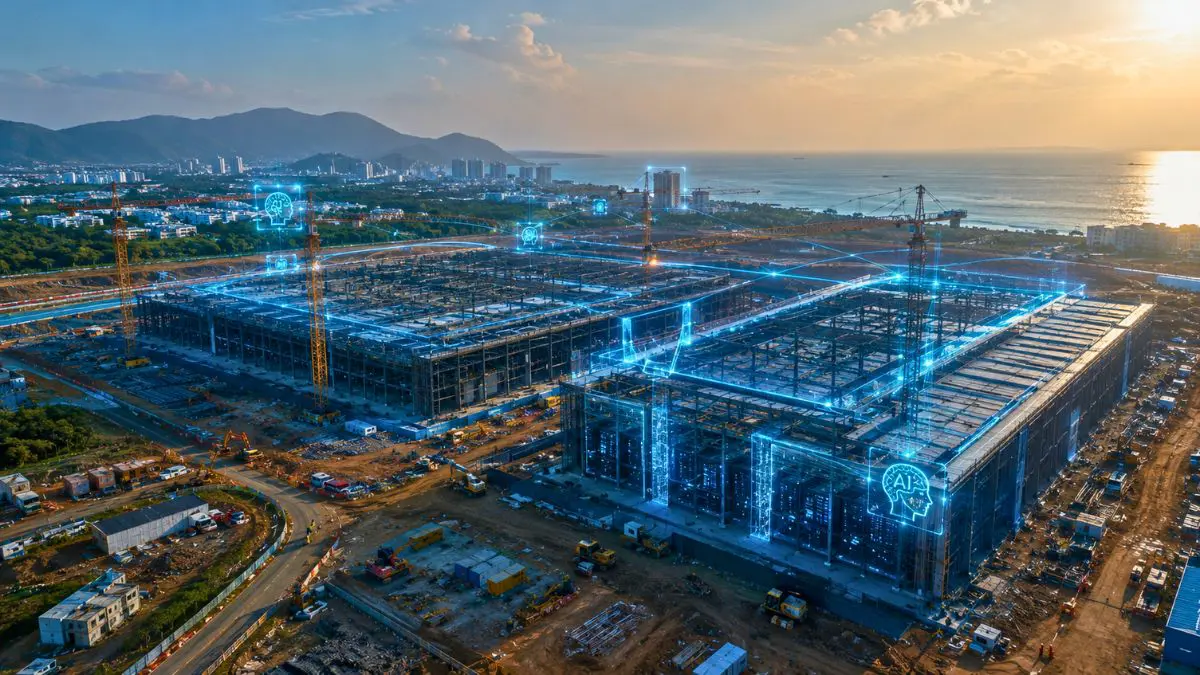
The discussions come alongside Google Cloud’s ongoing development of a large hyperscale data center project in Andhra Pradesh, which is expected to serve as a key regional hub for artificial intelligence and cloud computing services.
Visakhapatnam emerging as an AI hub
The project in Visakhapatnam is being developed as a large-scale hyperscale cloud and AI infrastructure cluster supported through partnerships with domestic infrastructure and telecom players.
Officials have described the initiative as a foundational step toward transforming the coastal city into a major digital and AI infrastructure hub.
The facility is expected to support high-performance computing workloads, AI model training and low-latency cloud services for India and global markets.
A subsea cable landing system is also planned as part of the broader connectivity ecosystem to improve international data transmission capacity.
Focus on hardware and supply chain resilience
Google’s discussions with Indian officials also included the possibility of expanding local manufacturing of servers and other hardware components used in data centers.
The move reflects a broader industry trend where global technology companies are seeking to diversify supply chains amid rising demand for AI computing infrastructure.
Indian officials have encouraged greater local production of advanced electronics, including semiconductors and GPUs, as part of the country’s long-term digital manufacturing strategy.
Strategic importance for India’s digital economy
Industry analysts say large-scale AI infrastructure investments could position India as a key global hub for cloud computing and AI deployment.
The development also aligns with India’s broader efforts to attract high-value technology investments and strengthen domestic electronics manufacturing capabilities.
Why this matters
- AI infrastructure growth: Expanding hyperscale data centers will support rising global demand for AI computing power.
- Supply chain diversification: Local manufacturing could reduce dependence on overseas hardware supply chains.
- Digital economy boost: Large cloud investments are expected to strengthen India’s position in global digital infrastructure.
- Connectivity expansion: Subsea cables and data hubs will improve low-latency global data exchange.
FAQs
Q1. What is Google building in India?
Google is developing a large hyperscale AI and cloud infrastructure hub in Visakhapatnam, Andhra Pradesh.
Q2. Is Google planning manufacturing in India?
Yes, the company is exploring local production of servers and related hardware components.
Q3. Why is Visakhapatnam important?
The city is being developed into a major AI and cloud computing hub with high-capacity data infrastructure and connectivity systems.
Q4. What is driving this investment?
Rising global demand for AI computing capacity and supply chain diversification are key factors behind the expansion.

























