Zydus and Lupin partner to co-market semaglutide injections in India
By Cygnus | 17 Mar 2026
Summary
• Zydus Lifesciences and Lupin have entered a strategic licensing agreement to co-market Zydus’s semaglutide injection in the Indian market.
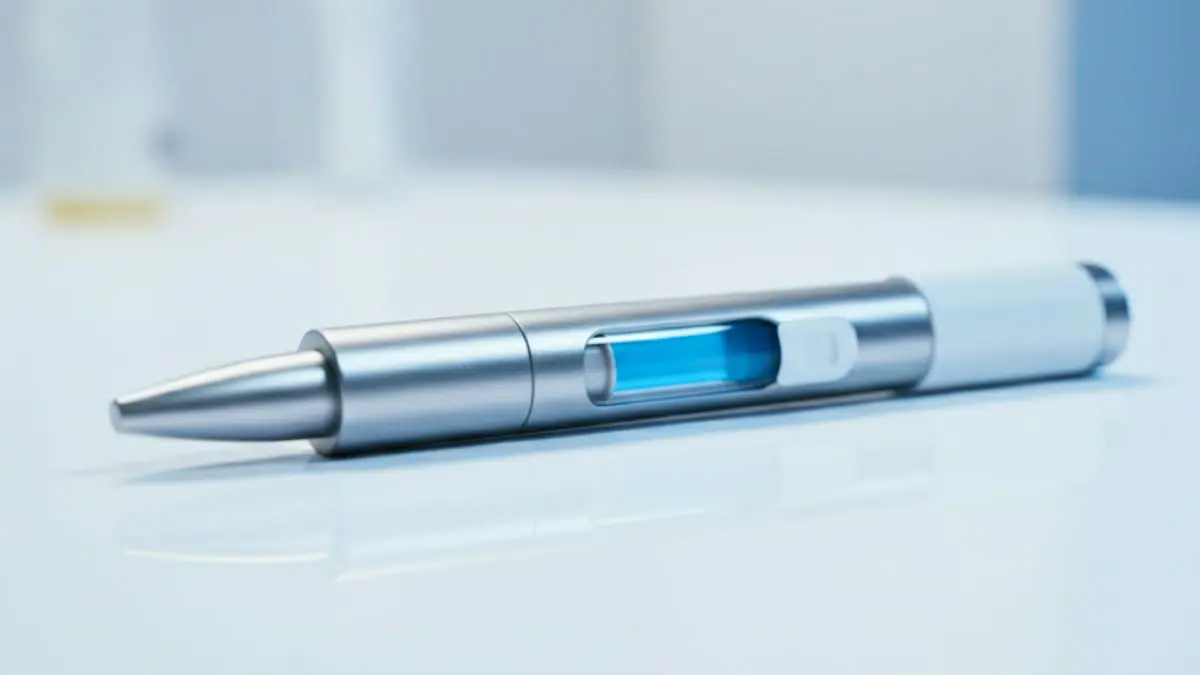
• The collaboration introduces a reusable pen delivery system aimed at improving treatment adherence for diabetes and chronic weight management.
• The move comes ahead of the expected patent expiry of the innovator molecule around March 21, signaling a shift in the domestic GLP-1 landscape.
MUMBAI, March 17, 2026 — Zydus Lifesciences has formalized a licensing and supply pact with Lupin Limited to co-market its semaglutide injection (15 mg/3 ml) across India. The agreement, announced Tuesday, marks a significant step toward expanding domestic availability of GLP-1 therapies, which are widely regarded as a leading treatment class globally for metabolic disorders.
The partnership centers on an indigenously developed reusable pen device designed to simplify the injection process for patients. By moving away from traditional single-use disposables, the companies aim to enhance long-term adherence while addressing growing demand for chronic weight management and type 2 diabetes therapies.
Under the terms of the agreement, Lupin has secured semi-exclusive rights to distribute the injectable under the brand names Semanext and Livarise. Zydus Lifesciences will simultaneously maintain its market presence through its own labels: Semaglyn, Mashema, and ALTERMET.
The financial structure includes an upfront licensing fee payable by Lupin to Zydus, followed by milestone payments tied to commercial performance. While financial details remain undisclosed, analysts view the arrangement as strategically favorable for Zydus as the primary developer.
Dr. Sharvil Patel, Managing Director of Zydus Lifesciences, said the company remains focused on patient-centric innovation, noting that the reusable pen has been engineered to reduce therapy complexity and support better treatment outcomes.
Lupin Managing Director Nilesh Gupta said GLP-1 therapies are reshaping treatment approaches globally and added that the collaboration strengthens Lupin’s cardio-metabolic portfolio while expanding patient access across India.
Semaglutide is indicated for adults with type 2 diabetes whose blood sugar remains inadequately controlled through diet and exercise. It is also prescribed for chronic weight management in patients with obesity or those who are overweight with at least one weight-related comorbidity.
Market Context
The partnership comes ahead of the expected patent expiry of the innovator molecule around March 21, which is anticipated to open the Indian market to broader competition among domestic drugmakers. Several pharmaceutical companies, including Sun Pharma and Dr. Reddy’s Laboratories, are also preparing launches in the GLP-1 segment.
India’s rising diabetes and obesity burden continues to drive demand for advanced metabolic therapies, positioning GLP-1 receptor agonists as one of the fastest-growing treatment segments in the domestic pharmaceutical market.
Why This Matters
• Patent Cliff Strategy: The timing positions both companies to compete immediately after patent expiry.
• Market Reach: Leveraging Lupin’s distribution network expands access beyond Tier-1 cities.
• Therapeutic Shift: The deal underscores growing adoption of injectable GLP-1 therapies in India.
FAQs
Q1. What is the core objective of the Zydus-Lupin deal?
The partnership aims to co-market Zydus’s semaglutide injection in India, focusing on broader access and patient-friendly delivery through a reusable pen device.
Q2. Which brands will be available in the market?
Lupin will market the drug as Semanext and Livarise, while Zydus will continue with Semaglyn, Mashema, and ALTERMET.
Q3. What are the clinical indications for this injection?
It is primarily indicated for adults with type 2 diabetes and for chronic weight management in eligible patients.
Q4. How does the reusable pen benefit patients?
The device is designed for ease of use and precise dosing, helping improve adherence and simplify long-term treatment management.

























