Tesla’s $56 Billion Pay Fight: What’s at Stake for Elon Musk and Delaware
By Axel Miller | 16 Oct 2025
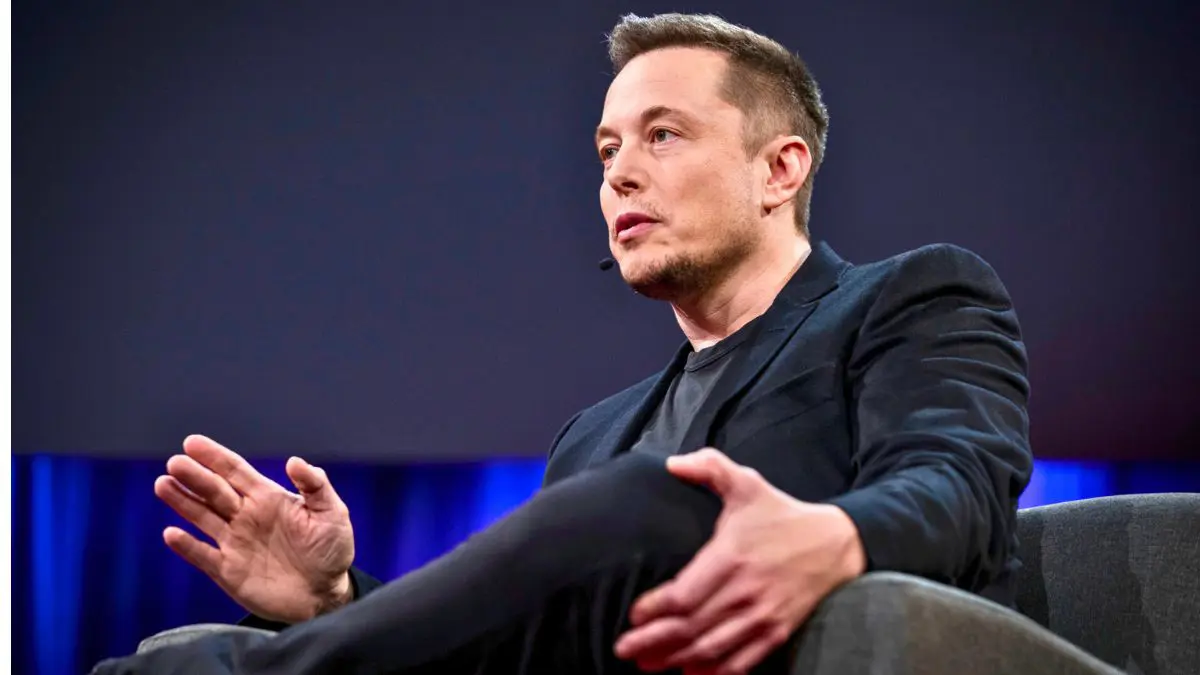
Tesla has returned to the courtroom this week, urging the Delaware Supreme Court to reinstate CEO Elon Musk’s record-breaking $56 billion compensation package — the largest in corporate history. The high-stakes case follows a January 2024 ruling that struck down the shareholder-approved deal, calling the process flawed and insufficiently independent.
Now, as Tesla seeks to overturn that decision, the outcome could shape not only the company’s leadership structure but also the future of Delaware’s influence over U.S. corporate governance.
Musk’s pay package, approved in 2018, was tied to Tesla achieving a series of ambitious performance milestones linked to market value and growth. While Tesla’s valuation has skyrocketed over the years, the Delaware court concluded that the approval process lacked proper checks and transparency, and further noted that Musk had not fully met all the original targets. Tesla’s legal team, however, insists that shareholders were fully informed and overwhelmingly backed the deal.
“This was the most informed stockholder vote in Delaware history,” argued Tesla attorney Jeffrey Wall during the hearing, calling for the reinstatement of the package.
Why Delaware’s Corporate Reputation Is on the Line
Delaware serves as the legal home for more than half of America’s publicly traded companies and has long been regarded as the benchmark for stable, business-friendly corporate law. But this case has placed its Court of Chancery — known for handling complex business disputes — under an unusual spotlight.
If the state’s Supreme Court upholds the lower court’s ruling, it could prompt tighter scrutiny of executive pay practices. Legal experts warn that such a move might nudge companies to reconsider their Delaware incorporation, potentially eroding one of the state’s key economic advantages. A decision against Tesla could also signal a shift toward a more cautious judicial approach, reshaping the balance between executive freedom and shareholder protection — a precedent that could reverberate across the corporate landscape.
Musk’s Role, Tesla’s Future
For Tesla, the implications reach far beyond pay scales. Musk’s leadership is inseparable from the company’s identity, innovation, and investor sentiment. Losing this legal battle could raise doubts about his long-term commitment and Tesla’s ability to retain visionary talent at a time when the EV market is growing increasingly competitive.
Earlier this year, Tesla’s board discussed a potential new 10-year pay plan that could award Musk up to $878 billion in stock if he achieves a series of “moonshot” goals — including breakthroughs in robotics, autonomous driving, and profitability. Even partial success on less ambitious milestones could still earn Musk more than $50 billion, underscoring the extraordinary stakes surrounding his compensation structure.
Summary:
Tesla’s courtroom showdown over Elon Musk’s $56 billion pay package is more than a battle over executive compensation. It’s a test of Delaware’s corporate legal framework, investor confidence in visionary leadership, and the broader debate over how far corporate boards should go to keep their most influential CEOs motivated and loyal.
FAQs: Tesla’s $56 Billion Pay Fight
1. What is Elon Musk’s $56 billion pay package?
Elon Musk’s $56 billion compensation package, approved by Tesla’s board in 2018, is the largest in corporate history. It was structured around ambitious performance goals tied to Tesla’s market capitalization and operational milestones rather than a fixed salary or bonuses.
2. Why did a Delaware court overturn Musk’s compensation plan?
The Delaware Court of Chancery invalidated the pay package in early 2024, ruling that the board’s approval process lacked independence and transparency. The court found that Musk had significant influence over the board and that shareholders weren’t provided with enough unbiased information during the approval process.
3. Why is the case being heard in Delaware?
Delaware is the legal home for over half of all publicly traded U.S. companies, including Tesla, because of its well-established and business-friendly corporate legal system. The state’s courts specialize in complex business disputes, making it the natural venue for this case.
4. What are the broader implications for Delaware if Tesla loses the appeal?
If Delaware’s Supreme Court upholds the lower court’s ruling, it could lead to stricter oversight of executive compensation and corporate governance. This might cause companies to reconsider incorporating in Delaware, potentially affecting the state’s reputation and tax revenue.
5. How could the court’s decision affect Tesla’s leadership and investors?
A ruling against Tesla could create uncertainty about Elon Musk’s future role at the company. It may also impact investor confidence, as Musk’s leadership is closely tied to Tesla’s brand, innovation pipeline, and stock performance.
6. What does this mean for executive compensation across corporate America?
This case could set a major precedent for how companies structure and disclose executive pay packages. A decision against Tesla might prompt more transparency, stronger board independence, and greater shareholder oversight across major corporations.
7. Could Elon Musk still receive future compensation from Tesla?
Yes. Tesla’s board has already discussed a new 10-year incentive plan that could award Musk up to $878 billion in stock if he meets a set of “moonshot” goals in areas like robotics, autonomous driving, and profitability.
8. How does this case impact Tesla’s market outlook?
While the case introduces short-term uncertainty, Tesla’s long-term market position remains influenced by innovation, EV demand, and global competition. Investor sentiment will likely hinge on Musk’s ongoing role and the company’s ability to meet its strategic goals.

























