Aerospace industry in turmoil: Tariff shockwaves trigger global contract battles
08 Apr 2025
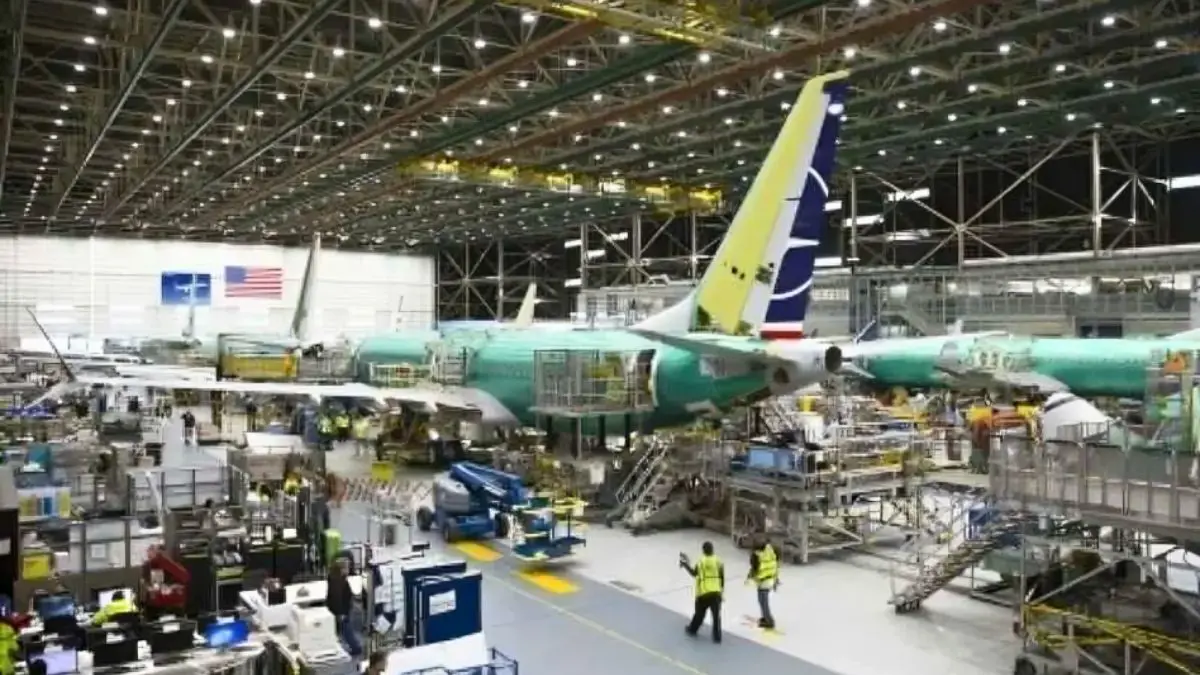
Global aerospace giants — from suppliers to airlines — are locked in a fierce battle over rising tariffs, dissecting billions of dollars’ worth of contracts to shield themselves from financial fallout.
This escalating crisis began when U.S.-based supplier Howmet Aerospace sent shockwaves through the industry by declaring a “force majeure event” — a rare legal claim allowing it to suspend obligations due to unforeseen disruptions, like the tariffs imposed by the U.S. government.
Howmet, a critical manufacturer of engine parts and fuselage fasteners, has effectively challenged the balance of power in global aviation supply chains — raising urgent questions about who should ultimately bear the financial burden of the emerging trade war.
At the heart of this conflict are the 20% tariffs imposed by former U.S. President Donald Trump on European Union products — targeting Airbus planes and threatening potential retaliation against U.S. companies like Boeing.
Howmet’s bold force majeure declaration has now placed the entire $800 billion aerospace supply chain under intense scrutiny.
As Jefferies analyst Sheila Kahyaoglu aptly noted:
“It only takes one nut or bolt to stop the entire aerospace supply chain.”
The cost war: Who will pay?
Industry experts predict an inevitable tug-of-war over cost-sharing:
- Airlines will push the burden onto aircraft manufacturers like Airbus and Boeing.
- Planemakers, in turn, may leverage future aircraft development programs as bargaining tools to negotiate better deals with suppliers.
- Suppliers may increasingly adopt Howmet’s strategy, using their indispensable role in the supply chain as leverage.
Historically, rising costs have been passed down to passengers in the form of higher airfares. However, this crisis is forcing those costs back up the chain — threatening suppliers, manufacturers, and airlines alike.
A global market under siege
Aviation has thrived for decades under a 1979 zero-duty trade agreement between the U.S. and Canada (but excluding Mexico). This fragile framework is now under severe threat as tariffs ignite widespread disruption.
Aviation adviser Bertrand Grabowski cautioned:
“Introduce friction like this into a global industry dependent on seamless trade, and you create instant chaos — not just for airplanes, but for engines, avionics, seats, and every spare part in between.”
FAQs: Everything you need to know about the aerospace tariff crisis
1. What is a “Force Majeure” event in this context?
It is a legal clause that allows a company to suspend its contractual obligations due to extraordinary events beyond its control — such as government-imposed tariffs.
2. Why did Howmet Aerospace declare Force Majeure?
Howmet took this step to protect itself from financial losses caused by the U.S. government’s tariffs on EU products, signaling potential shipment halts if conditions worsen.
3. Who will bear the cost of rising tariffs in the aerospace sector?
While passengers usually absorb increased costs through higher airfares, this crisis is forcing the financial burden onto suppliers, manufacturers, and airlines.
4. How will airlines respond to these new challenges?
Airlines are expected to resist absorbing higher costs and instead pressure aircraft manufacturers to shoulder the burden.
5. What is the future of global aerospace trade amidst this crisis?
The industry may face contract renegotiations, supply chain disruptions, and potential redesign of sourcing strategies to minimize tariff exposure.
Final Takeaway
This unprecedented tariff-driven crisis has shaken the global aerospace industry to its core. What started as a trade policy decision has now evolved into a high-stakes contract battle — with suppliers like Howmet forcing the industry to rethink long-standing commercial relationships.
As the dust settles, one thing is certain — the aviation sector will never look at its contracts, supply chains, or pricing strategies the same way again.