Researchers create food from air
01 Aug 2017
Thanks to a team of researchers in Finland the answer to our sustainable food woes may be at hand, in the air we breathe.
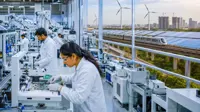
The researchers used carbon dioxide-filled air, a high voltage and harmless microbes plus a few weeks' gestation period to engineer edible proteins. According to the Finnish team, the process is 10-times more energy efficient than photosynthesis in plants.
According to the researchers, the process held great potential to ease our reliance on crop foods by turning to protein reactors. The process could one day, help sustain travellers on long-duration space flights, although it was a long way off something like Star Trek's replicator.
''In the long term, protein created with electricity is meant to be used in cooking and products as it is,'' says Juha-Pekka Pitkanen, principal scientist at VTT Research, www.alphr.com reported. "The mixture is very nutritious, with more than 50 per cent protein and 25 per cent carbohydrates. The rest is fats and nucleic acids.''
''In practice, all the raw materials are available from the air,'' Pitkanen says. ''In the future, the (solar-powered) technology can be transported to, for instance, deserts and other areas facing famine. One possible alternative is a home reactor, a type of domestic appliance that the consumer can use to produce the needed protein.''
The protein produced by the researchers was in the form of a powder, consisting of around 50 per cent protein and 25 per cent carbohydrates, with the rest being fat and nucleic acid, Quartz reported.
The method did not need ideal conditions of agriculture such as humidity, temperature, soil type, etc or pest-control substances that adversely impact the environment.
Currently it took two weeks to produce one gram of protein using laboratory equipment. The researchers are planning pilot studies for larger production, with developments in technology.