Fed Cuts Rates in Sharp Split Decision, Signals Pause Amid ‘Data Blind Spot’
By Axel Miller | 11 Dec 2025
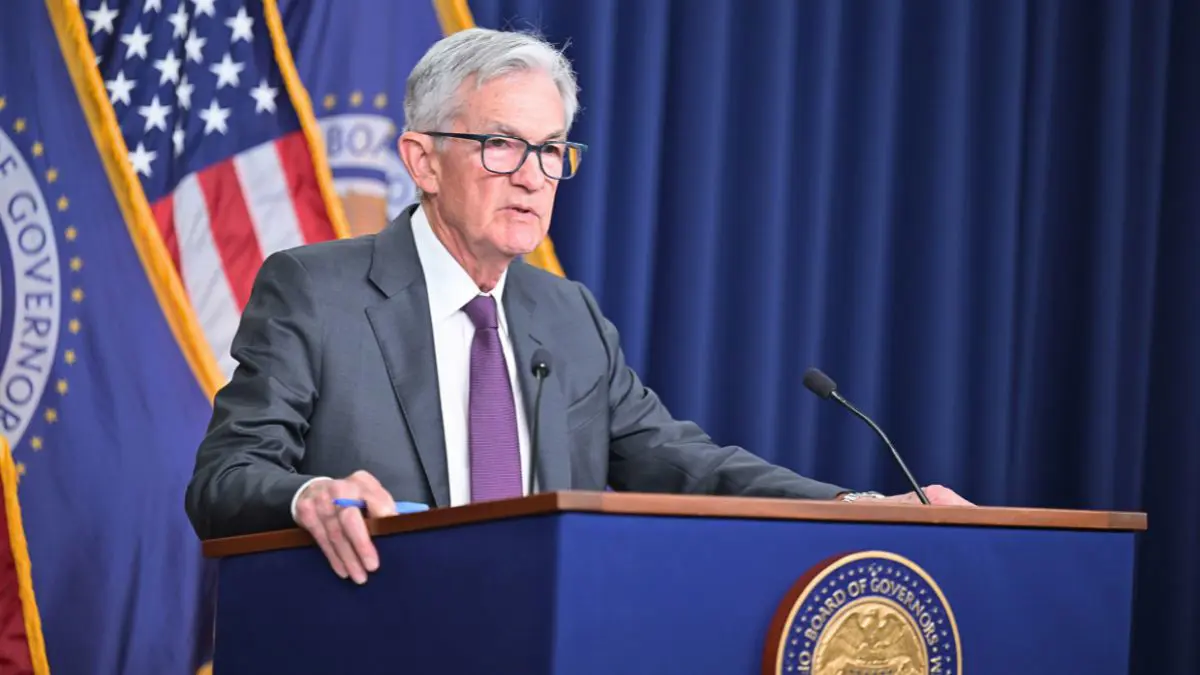
The Federal Reserve lowered its benchmark interest rate by a quarter percentage point on Wednesday, bringing the target range to 3.50%–3.75%. However, the decision exposed deep fractures within the central bank, with policymakers signaling an intent to pause further cuts until they can assess a clearer economic picture clouded by data delays.
The move marks a continued recalibration of policy, but the accompanying statement noted that inflation “remains somewhat elevated.”
In a press conference following the decision, Chair Jerome Powell reinforced the cautious stance, stating the central bank is “well positioned to wait and see how the economy evolves.” Notably, he declined to offer guidance on whether another cut is likely in early 2026, leaving the door open for a prolonged hold.
A historic three-way split
The decision was marked by unusual discord. Three officials formally dissented against the majority, the highest number of dissenting votes at a single meeting since September 2019.
The opposition came from both sides of the ideological spectrum. Chicago Fed President Austan Goolsbee and Kansas City Fed President Jeffrey Schmid—both rotating voters this year—argued for holding rates steady, prioritizing the final defeat of inflation. Conversely, Governor Stephen Miran pushed for a deeper, half-point (50 basis point) cut, citing rising risks to the labor market.
The split underscores the growing debate inside the Fed: Is the greater risk a resurgence of inflation, or a sudden crack in employment?
Data delays cloud outlook
The path forward is complicated by a lack of visibility. Economic reporting remains disrupted following the 43-day federal government shutdown earlier this year, creating what analysts call a “data blind spot.”
Powell acknowledged this challenge, stressing that upcoming inflation prints and labor reports will be critical. Until the backlog of data clears, the committee appears reluctant to commit to further easing.
Projections signal stability
Fresh forecasts released in the “dot plot” show that the median Fed official expects only one additional quarter-point cut in 2026, unchanged from previous projections.
The economic outlook remains broadly optimistic (a “soft landing”). GDP is projected to accelerate to 2.3% next year—above the long-term trend—while the unemployment rate is seen holding steady near 4.4%. Inflation is forecast to cool to roughly 2.4% by the end of 2026.
Markets hold steady
Investors took the pause signal in stride. On Thursday morning, U.S. stocks edged higher and Treasury yields dipped slightly, interpreting the split decision as a sign that the Fed remains flexible but supportive of growth.
Brief Summary
The Federal Reserve cut interest rates by 25 basis points to a range of 3.50%–3.75% but signaled a likely pause in future cuts. The decision revealed significant internal division, with three officials dissenting. Chair Powell emphasized a “wait and see” approach for 2026, citing the need for clearer data following recent government shutdown-related disruptions.
Frequently Asked Questions (FAQs)
Q1: Why did the Fed cut rates if inflation is still elevated?
The Fed is attempting to “calibrate” policy. While inflation is above target, it has cooled significantly. Lowering rates slightly prevents the policy from being too restrictive, which could unnecessarily damage the economy, while still keeping rates high enough to suppress prices.
Q2: What was the nature of the dissent?
The vote saw a rare three-way split. Two “hawks” (Goolsbee and Schmid) wanted no cut at all, fearing inflation might rebound. One “dove” (Governor Miran) wanted a larger 0.50% cut to protect jobs. This indicates deep uncertainty within the Fed about the economy’s direction.
Q3: What does the “pause” mean for borrowers?
It means interest rates for mortgages, auto loans, and credit cards likely won’t drop much further in the immediate future. The Fed plans to sit at the current 3.50%–3.75% level until it sees compelling evidence that inflation is fully under control.
Q4: How did the government shutdown affect this decision?
The 43-day shutdown earlier in 2025 halted the collection of key economic data. This created a lag in reporting, meaning the Fed is making decisions with incomplete information. This uncertainty is a primary reason for the “pause.”
Q5: What is the outlook for 2026?
The Fed’s “dot plot” suggests a year of stability. Officials currently project only one more small rate cut in 2026, with the economy expected to grow at a healthy 2.3% pace and unemployment remaining low.

























