Indian brokers urge pause on tighter bank lending rules amid liquidity concerns
By Cygnus | 19 Feb 2026
Summary
India’s brokerage industry is seeking a six-month delay to new RBI lending restrictions set to take effect April 1, warning the tighter norms could reduce market liquidity and raise trading costs.
India’s brokerage industry is pushing back against stricter lending norms introduced by the Reserve Bank of India (RBI), urging regulators to grant a six-month freeze before the rules take effect on April 1.
According to a document reviewed by Reuters, the Association of NSE Members of India (ANMI) wrote to the Securities and Exchange Board of India (SEBI) seeking intervention, arguing the changes could disrupt market liquidity and increase trading costs for market participants.
What the new RBI rules propose
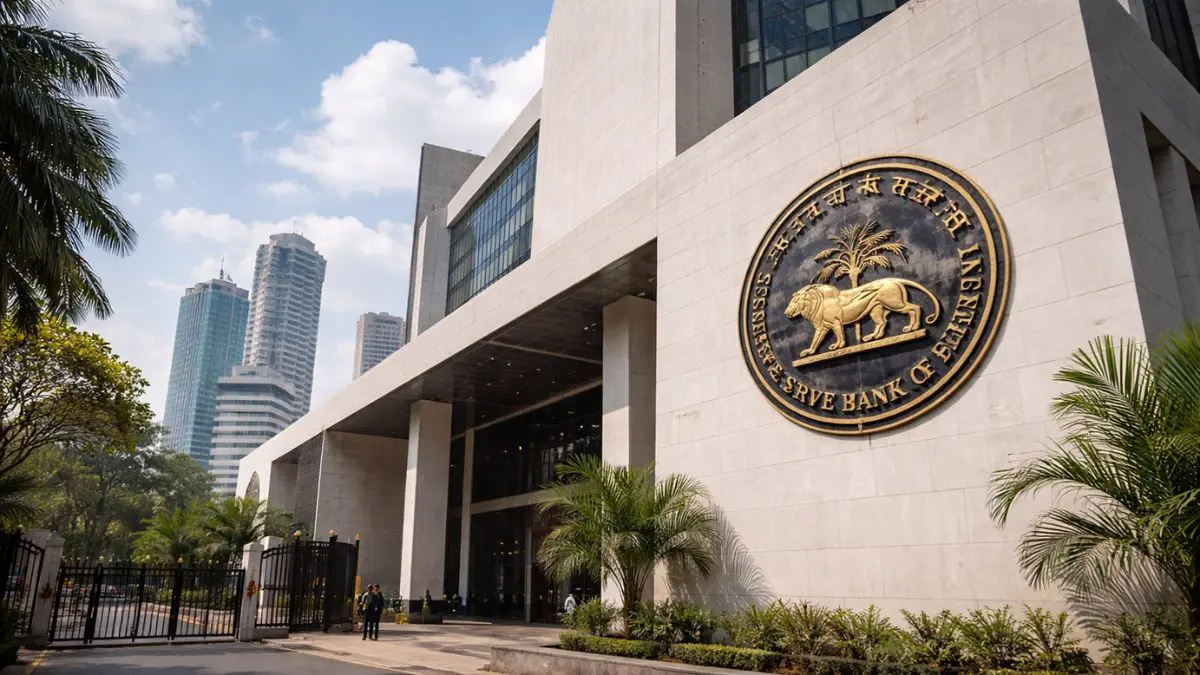
The RBI recently tightened norms governing bank exposure to stock brokers and other market intermediaries, part of a broader push to strengthen risk management in the financial system.
The measures include stricter conditions on bank guarantees and limits on certain types of financing to brokers, particularly those linked to market activities.
Industry warns of liquidity impact
Brokerages say the new framework could restrict access to bank funding used to support trading and market-making activities — a key source of liquidity in equity markets.
Industry representatives warned the curbs could reduce trading volumes, widen bid-ask spreads, and increase transaction costs, potentially affecting overall market efficiency.
Concerns over competitive balance
ANMI said the restrictions risk creating an uneven playing field between domestic intermediaries and global firms that may have access to alternative funding channels.
The industry body has called for a temporary pause to allow further consultation and impact assessment before full implementation.
Regulators did not immediately respond to requests for comment, according to Reuters.
Bigger picture: balancing stability and market depth
The debate underscores the policy challenge of tightening financial safeguards while preserving market liquidity. As India’s capital markets deepen and attract more global investors, regulatory calibration remains a key focus for policymakers and industry participants.
Why this matters
Changes to bank lending rules for brokers can directly influence market liquidity, trading costs, and the availability of leverage in financial markets. If funding becomes more constrained, it could affect market-making activity and short-term price discovery, with knock-on effects for institutional and retail investors.
The outcome of the industry’s request will be closely watched as a signal of how regulators balance systemic risk controls with market growth.
FAQs
Q1. Why are Indian brokers asking for a pause?
They say tighter lending rules could reduce liquidity, raise costs, and disrupt trading operations.
Q2. What changes did the RBI introduce?
The rules tighten bank exposure to brokers, including stricter conditions on guarantees and certain financing arrangements.
Q3. When are the rules scheduled to take effect?
They are set to be implemented from April 1.
Q4. How could this affect investors?
Potential impacts include wider spreads, lower liquidity, and higher transaction costs.
Q5. What is ANMI’s main concern?
That domestic brokers could be disadvantaged compared with firms that have alternative funding sources.
Q6. Could the rules change?
Implementation timelines or details could be adjusted if regulators respond to industry feedback.

























