Living in the “New Gulf”: how conflict is reshaping cities and infrastructure
By Cygnus | 16 Mar 2026
Summary
Rising regional tensions since late February 2026 have forced Gulf states to rethink how modern cities function under security pressure. Governments across the region are strengthening air defenses, diversifying airport operations and redesigning supply chains in what analysts describe as a shift toward “fortress urbanism.”
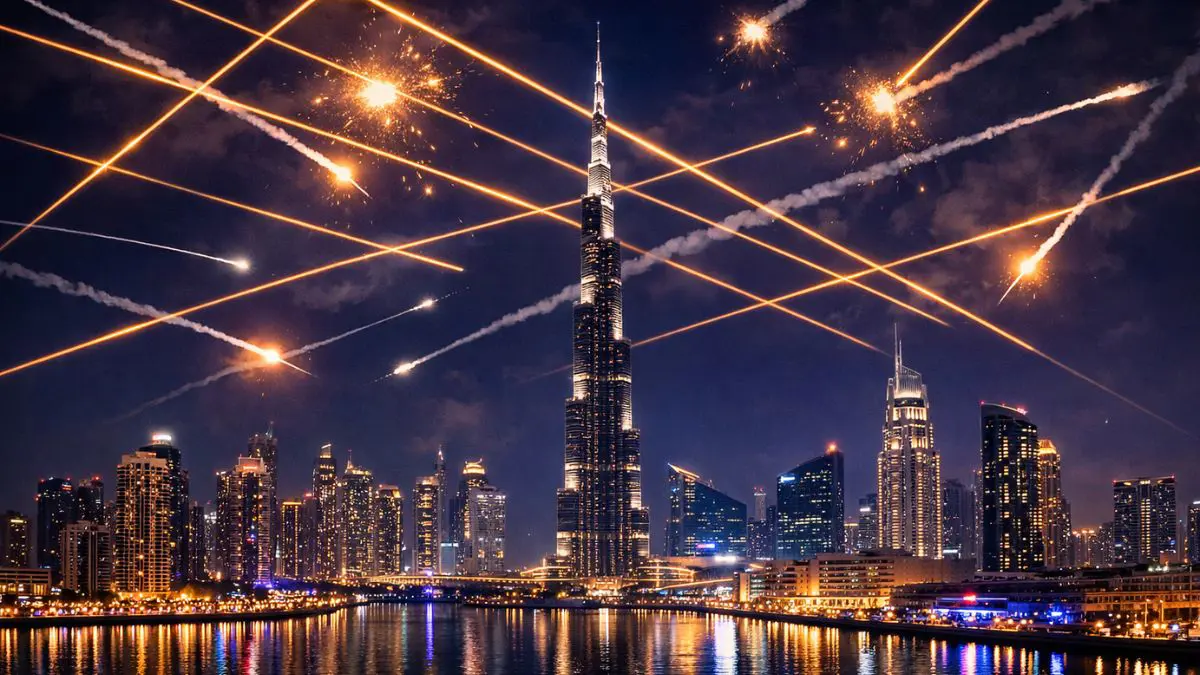
For decades, the skyline of Burj Khalifa symbolized the Gulf’s rise as a hub of globalization — a landscape of luxury hotels, global finance and uninterrupted connectivity.
But recent regional security tensions have begun to reshape how cities such as Dubai, Abu Dhabi and Doha think about infrastructure, resilience and defense.
Rather than halting economic activity, governments across the region are investing heavily in redundant infrastructure, layered air defenses and supply-chain resilience to ensure cities continue functioning during geopolitical instability.
Layered air defense becomes central
Air-defense systems have become a core component of the region’s security planning.
Countries across the Gulf already operate systems such as:
- Patriot missile system
- THAAD missile defense system
Defense analysts say these technologies form part of a layered air-defense architecture designed to intercept drones, cruise missiles and ballistic threats.
New technologies are also under development globally, including directed-energy laser defenses, which some countries are exploring because they could reduce interception costs compared with traditional missiles.
Infrastructure redundancy
Another key shift is the emphasis on backup infrastructure.
For aviation hubs such as Dubai International Airport, resilience planning increasingly includes the ability to shift operations to secondary facilities like Al Maktoum International Airport.
Such redundancy helps ensure that logistics, passenger transport and cargo flows can continue even if one facility faces operational disruptions.
This approach is increasingly seen as essential for global aviation hubs where delays can ripple through international supply chains.
Cities built for resilience
Urban planners say Gulf cities are gradually adapting to a new reality where economic activity and security preparedness coexist.
| Feature | Earlier Gulf model | Emerging model |
|---|---|---|
| Urban planning | Tourism and luxury focus | Security and resilience |
| Aviation hubs | Highly centralized | Distributed operations |
| Logistics | Just-in-time delivery | Strategic redundancy |
| Infrastructure | Efficiency priority | Risk mitigation priority |
Diplomacy and regional cooperation
Regional security coordination has also expanded since the signing of the Abraham Accords in 2020.
The agreements opened channels for closer cooperation between Israel and several Arab states, including intelligence sharing and defense coordination.
Analysts say such partnerships have contributed to broader regional monitoring systems for missile launches and aerial threats.
Why this matters
- Urban resilience: Gulf cities are becoming models for how global hubs operate under geopolitical pressure.
- Defense innovation: New technologies such as AI-enabled airspace monitoring and directed-energy systems are accelerating.
- Economic continuity: The region is testing whether advanced economies can maintain growth despite security risks.
Frequently asked questions
Q1. Are tourists still visiting Gulf cities?
Yes. Tourism remains strong, although travel advisories and regional tensions can temporarily affect visitor numbers.
Q2. Are air defenses widely deployed in the Gulf?
Yes. Many Gulf states already operate Patriot and THAAD systems, with additional technologies under development.
Q3. Will infrastructure redundancy become permanent?
Most analysts believe so. Airports, ports and logistics hubs increasingly plan for multiple operational backups.