India monitors LNG supplies, says adequate gas available; no disruption reported
By Cygnus | 19 Mar 2026
Summary
India has not reported any disruption to LNG supplies and says gas availability remains adequate, even as tensions in West Asia raise concerns about global energy flows. Officials said existing supply arrangements and prioritisation mechanisms are in place to manage any potential volatility.
NEW DELHI, March 19, 2026 — India is closely monitoring its liquefied natural gas (LNG) supply situation amid heightened geopolitical tensions in West Asia, but there is currently no disruption to imports and domestic availability remains adequate, government officials said.
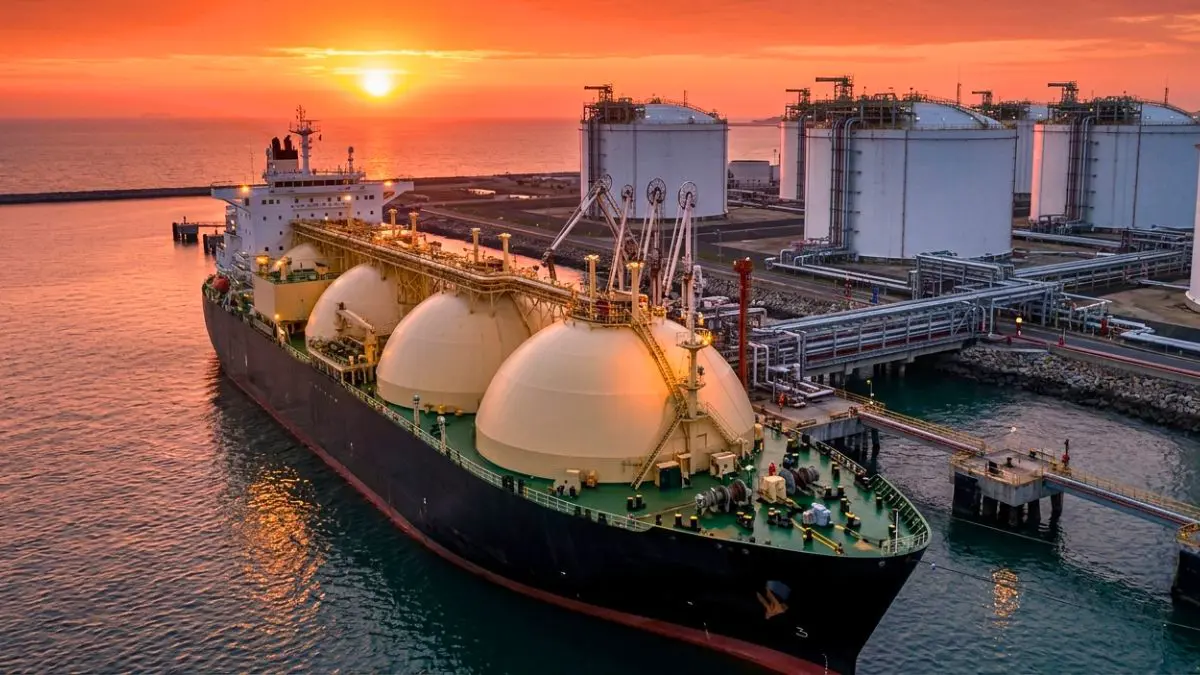
India depends significantly on LNG imports to meet its energy needs, with Qatar remaining its largest supplier under long-term contracts. Cargoes continue to arrive as scheduled, and there has been no official indication of supply interruptions or force majeure declarations by importers such as Petronet LNG.
Officials said contingency mechanisms are already in place to prioritise essential consumption in case of any future supply tightness. In India’s gas allocation framework, supplies are typically prioritised for households using piped natural gas (PNG) and for compressed natural gas (CNG) used in transport, followed by key sectors such as fertilisers.
“Supply conditions remain stable at present, and there is no cause for concern,” a senior government official said, adding that authorities are maintaining close coordination with suppliers and monitoring shipping routes, including the Strait of Hormuz, a critical corridor for global energy trade.
Industry participants noted that while geopolitical risks can lead to higher freight and insurance costs, physical disruptions to LNG flows are uncommon unless there is a sustained escalation. Spot LNG prices have shown some volatility in recent weeks, reflecting broader uncertainty in global energy markets.
India’s long-term LNG contracts, particularly with Qatar, provide a degree of supply security and pricing stability, helping shield the domestic market from short-term shocks. Companies and policymakers are also exploring diversification of supply sources and increasing domestic gas production to reduce import dependence over time.
Why this matters
- India’s reliance on LNG imports makes it sensitive to geopolitical developments, especially in key transit regions.
- Existing gas allocation priorities ensure essential sectors such as households and transport are protected during supply stress.
- Even without physical disruption, geopolitical tensions can increase LNG prices and shipping costs, affecting industrial consumers.
FAQs
Q1. Is there any LNG supply disruption to India right now?
No. Officials and industry sources say supplies are continuing normally with no confirmed disruptions.
Q2. Does India have a gas prioritisation system?
Yes. In times of tight supply, gas is typically prioritised for households (PNG), transport (CNG), and fertiliser production.
Q3. Could global tensions affect LNG prices?
Yes. Even without supply disruption, geopolitical risks can lead to higher spot LNG prices and shipping costs.
Q4. How dependent is India on LNG imports?
India imports a significant portion of its natural gas needs, with Qatar being a key long-term supplier.