India’s Aluminium Extrusion Sector Flags Stress Amid Rising Energy Costs
By Axel Miller | 24 Mar 2026
Summary
India’s aluminium extrusion industry has raised concerns over rising energy costs and supply uncertainties, warning of operational pressures on MSMEs.
Industry bodies are seeking policy support, including financial relief measures, to help units manage liquidity challenges ahead of the fiscal year-end.
NEW DELHI, March 2026 — India’s aluminium extrusion sector, dominated by micro, small and medium enterprises (MSMEs), is facing mounting pressure from rising fuel costs and intermittent energy supply challenges, according to industry representatives.
The Aluminium Extrusions Manufacturers Association (ALEMA) has highlighted that many units across key industrial clusters are operating below capacity, citing higher input costs and uncertainty in fuel availability.
Production Pressures Build
Manufacturers in regions such as Ahmedabad, Pune, and Bengaluru report reduced output as energy-intensive processes become more expensive to sustain.
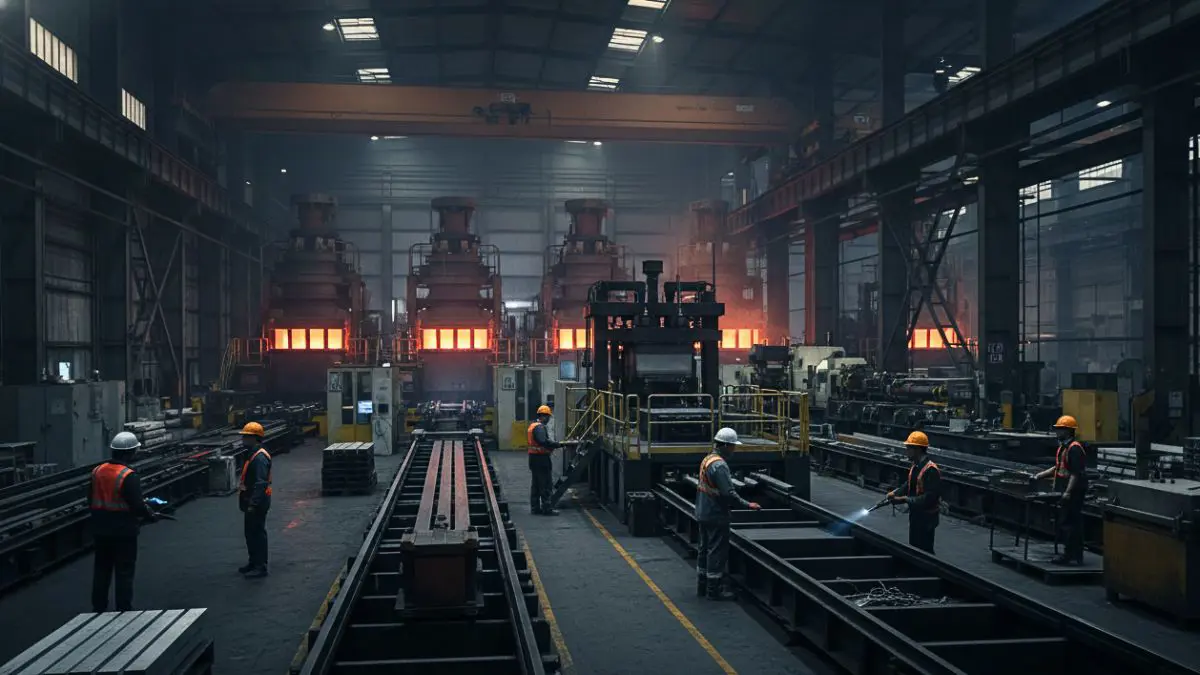
Aluminium extrusion requires consistent high-temperature furnaces, typically powered by gas, making operations sensitive to:
- Fuel price fluctuations
- Supply disruptions
- Pressure inconsistencies in gas networks
Industry participants note that even short-term interruptions can impact production quality and increase costs.
MSME Liquidity Concerns
With the financial year drawing to a close, smaller firms are increasingly concerned about liquidity and debt servicing obligations.
Industry bodies have urged policymakers to consider:
- Temporary financial relief measures
- Easier access to working capital
- Support for maintaining credit ratings during periods of stress
Such steps, they argue, could help prevent financial strain from escalating into broader defaults.
Downstream Impact
The aluminium extrusion sector plays a critical role in multiple industries, including:
- Construction (windows, doors, structural fittings)
- Automotive components
- Renewable energy infrastructure (solar panel frames)
Any sustained slowdown in production could have ripple effects across these sectors, potentially affecting costs and supply timelines.
Energy and Policy Context
India’s broader energy landscape remains influenced by global fuel price movements and domestic supply dynamics.
While there is no confirmed policy mandating diversion of gas supply from industry to households, stakeholders say that balancing domestic consumption and industrial demand remains a key challenge.
Why This Matters
- MSME Stability: Small manufacturers are highly exposed to cost and supply shocks
- Industrial Supply Chain: Aluminium extrusions are essential for multiple sectors
- Economic Impact: Production slowdowns could influence pricing and infrastructure projects
FAQs
Q1. Why is the aluminium extrusion sector affected by energy issues?
Because it relies heavily on continuous high-temperature furnaces powered by gas.
Q2. Are factories shutting down across India?
There are reports of reduced capacity and localized disruptions, but no confirmed nationwide shutdown.
Q3. What support is the industry seeking?
Primarily financial relief, improved credit access, and policy support to manage rising costs.

























