As EU Trade Deal Nears Completion, BMW Flags Risk of Chinese Carmakers Entering India via Europe
By Axel Miller | 13 Jan 2026
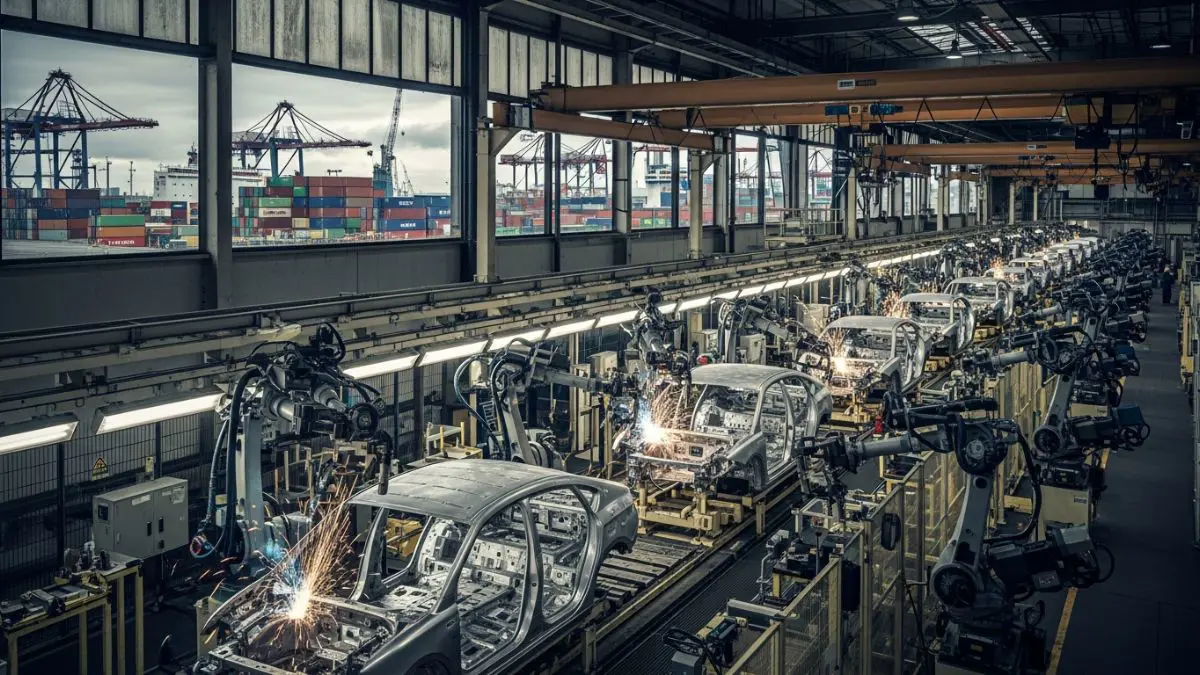
As India and the European Union move into the closing phase of negotiations for a long-awaited Free Trade Agreement (FTA), BMW Group India has urged policymakers to tighten safeguards, warning that weak provisions could allow non-EU automakers — including Chinese manufacturers — to route vehicles into India via European assembly operations.
BMW Group India President and CEO Hardeep Singh Brar said the agreement must include strict rules to avoid what the company described as potential “circumvention” of India’s existing high import duties through the FTA route.
Negotiators have recently indicated the trade pact is moving closer to conclusion, with timelines ranging from late January to March 2026 depending on remaining chapters and political sign-off.
BMW proposes a minimum price threshold for tariff benefits
Brar said BMW has recommended a minimum price floor for cars that would qualify for tariff concessions under the FTA — suggesting a benchmark in the range of €20,000 to €30,000 (roughly ₹21 lakh and above).
“The apprehension is if small cars start coming into India, then they will spoil existing investment,” Brar said, according to local media reports.
Industry executives argue that such a threshold would:
- shield mass-market domestic players from sudden low-cost import pressure,
- restrict tariff benefits largely to premium segments,
- reduce the risk of third-country brands using Europe mainly as an assembly base to qualify for preferential tariffs.
Rules of origin: SIAM pushes 55% value-add requirement
A central sticking point for automakers is expected to be Rules of Origin (RoO) — the criteria that determine whether a product is genuinely made in the EU and therefore eligible for lower duties.
Industry representatives, including SIAM, have argued that RoO requirements should mandate at least 55% local value addition to prevent low-value assembly operations from receiving FTA benefits.
Automakers are particularly focused on preventing “minimal assembly” setups from qualifying for duty advantages, especially for EVs and small cars.
Why the sector is sensitive: duties could drop sharply
India currently applies high import duties on fully built cars, and discussions around the FTA have involved proposals that could reduce duties to the 10–15% range in phases, depending on vehicle category and compliance criteria.
Automakers argue that without strict RoO verification and safeguards, tariff reductions could trigger market distortion at a time when India’s domestic EV and manufacturing investments are scaling up.
BMW’s India roadmap: aggressive launches despite trade warning
Even as it highlights trade risks, BMW is expanding its India strategy.
BMW Group India reported record annual sales of 18,001 units in calendar year 2025, up 14% year-on-year, according to the company’s statement.
For 2026, Brar said BMW is planning:
- 27 product interventions, including six all-new models and multiple upgrades
- an EV push, including three EV launches and a next-generation model with a claimed range of around 800 km (as per company statements and reporting)
- retail expansion, adding 18 new touchpoints and entering additional cities
Summary
BMW Group India has urged policymakers to build stronger safeguards into the India–EU Free Trade Agreement, warning that weak rules could allow non-EU automakers — including Chinese carmakers — to enter India through European assembly routes. BMW has proposed a €20,000–€30,000 price floor for vehicles eligible for tariff concessions and backed stricter rules of origin, including a 55% value-add threshold. The company, meanwhile, is expanding its India strategy after record 2025 sales.
Frequently asked questions (FAQs)
Q1: What is BMW’s “backdoor entry” concern?
BMW and other automakers fear that non-EU carmakers could assemble vehicles in Europe and qualify for lower import duties under the FTA, even if the vehicle is not substantially manufactured within the EU.
Q2: What is BMW proposing as a safeguard?
BMW has suggested a minimum vehicle price threshold of €20,000–€30,000 for FTA-linked duty benefits, to limit tariff concessions mainly to premium segments.
Q3: What are Rules of Origin?
Rules of Origin determine whether a product qualifies as “made in the EU” for FTA benefits. SIAM and industry representatives want a 55% value-add requirement to prevent minimal assembly from qualifying.
Q4: How many vehicles did BMW sell in India in 2025?
BMW Group India reported 18,001 units sold in calendar year 2025, its highest annual figure to date.
Q5: Is the India–EU FTA signed yet?
No. Negotiations are still ongoing, with policymakers indicating the deal is in its final stages, but final timelines depend on concluding remaining chapters and approvals.

























