China shifts to Iranian tankers to keep oil flowing amid US sanctions
21 Aug 2018
1
China is shifting to Iranian oil tankers to keep oil flowing as the first round of US sanctions, which included rules cutting off Iran and any businesses that trade with the country from the US financial system, went into effect on 7 August.
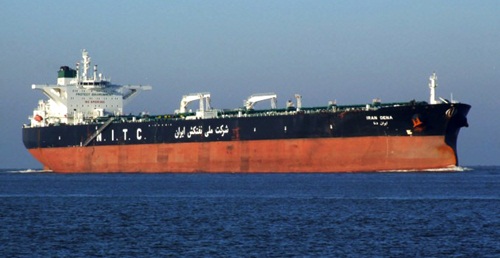
While a ban on Iranian oil purchases will start in November, cargo insurers, which are mainly US or Europe based, have also stopped insuring vessels carrying Iranian crude and Chinese buyers of Iranian oil are starting to shift their cargoes to vessels owned by National Iranian Tanker Co (NITC) for nearly all of its imports to ward off the effects of economic sanctions by the United States.
China, Iran’s biggest oil customer, wants to keep buying Iranian crude even as the United States is trying to halt Iranian oil exports to force the country to negotiate a new nuclear agreement and to curb its influence in the Middle East.
China has already made it clear that it is opposed to any unilateral sanctions and has defended its commercial ties with Iran.
Insurers have already begun winding down their Iranian business to comply with the sanctions.
To safeguard their supplies, state oil trader Zhuhai Zhenrong Corp and Sinopec Group, Asia’s biggest refiner, have activated a clause in its long-term supply agreements with National Iranian Oil Corp (NIOC) that allows them to use NITC-operated tankers, reports quoting sources with direct knowledge of the matter said.
The price for the oil under the long-term deals has been changed to a delivered ex-ship basis from the previous free-on-board terms, meaning that Iran will cover all the costs and risks of delivering the crude as well as handling the insurance, the sources said.
“The shift started very recently, and it was almost a simultaneous call from both sides,” said one of the sources, a senior Beijing-based oil executive.
In July, all 17 tankers chartered to carry oil from Iran to China were operated by NITC, according to shipping data provided on Thomson Reuters Eikon. In June, eight of 19 vessels chartered were Chinese operated.
Iran used a similar system between 2012 and 2016 to circumvent Western-led sanctions which were effective in curtailing exports because of a lack of insurance for the shipments.
Chinese refiners purchase on an average crude oil worth $1.5 billion a month. Insurance usually includes cover for the oil cargoes, third-party liability and pollution.