Kerala imposes 14.5% ‘fat tax’ on fast-food
09 Jul 2016
As a measure to tackle the increasing obesity among the population, The CPI(M)-led LDF government in Keral has decided to introduce the first ever 'fat tax' to be levied on junk and fast food items.
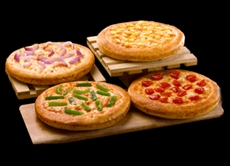 In his budget speech for 2016 - 17, Kerala's minister of finance proposed a tax of 14.5-per cent on food items like burgers, pizzas, sandwiches, doughnuts, and tacos. While eating out at fast food restaurants like McDonald's, Pizza Hut, Domino's and others will become more expensive in Kerala, the recently elected Left government hopes to earn an additional revenue of Rs10 crore from the proposed tax.
As a result of this, branded fast food restaurants are likely to take a hit. The novel tax imposition may result in customer withdrawal, affecting the sales of fast food chains in Kerala.
While Kerala might be the first Indian state to propose such a tax, the concept of 'fat tax' is not new. Its existence dates back to 1942 when American psychologist A J Carlson proposed imposing a fee on each pound of weight exceeding the 'normal weight' limit in order to counter obesity and make food more available for personnel deployed on the warfront.
The 'fat tax' proposes to make fattening food items more expensive to discourage their consumption. Fiscal measures are just one of the few ways through which a state can keep a check on the sale and consumption of certain food items. While taxation helps in curbing the consumption of harmful or 'unhealthy' items, subsidies make necessary items available to those who can't afford them.
Fiscal measures in the form of taxation have long been considered by governments across the globe to discourage consumption of harmful or potentially harmful items. Denmark was one such country to have imposed 'fat tax' on items like oil, butter, cheese, and pizza to tackle obesity; the tax was later scrapped. Mexico is another example where the government recently imposed tax on sugary, fizzy drinks. The UK has also been contemplating the same since quite some time and decided to bring soda tax in effect by April 2018.
Time and again, the British Prime Minister, David Cameron, had expressed his thoughts on the possibilities of bringing 'fat tax' into reality. "The problem in the past when people have looked at using the tax system in this way is the impact it can have on people with low incomes," he noted in an interview with 5 News.