No patents on human DNA, unless synthetic: US Supreme Court
14 Jun 2013
With the US Supreme Court ruling yesterday that DNA was part of nature and no one could patent it, the curtain has fallen on one of the most hotly debated topics in recent times. The unanimous judgment of the court also determined that synthetic DNA could be patented.
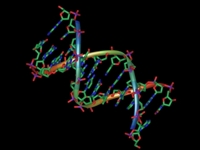 The decision in the case Association for Molecular Pathology v/s. Myriad Genetics settled the question whether researchers who identified segments of DNA could lay claim to them and control their use in research. However, according to experts, the practical effect of the ruling, remained unclear and might even prove to be somewhat symbolic.
Salt Lake-based Myriad Genetics identified and patented BRCA1 and BRCA2, the two BRCA genes, mutations to which, greatly increase the likelihood of development of certain cancers - to between 50 and 80 per cent for breast cancer and between 20 and 50 per cent for ovarian cancer. The company's patents have allowed it to control research on the genes and bar tests that competed with its own BRACAnalysis genetic test.
"As we have recognised before, patent protection strikes a delicate balance between creating 'incentives that lead to creation, invention, and discovery' and 'imped(ing) the flow of information that might permit, indeed spur, invention,''' the Supreme Court wrote partly upholding a previous ruling, even as it struck down another part.
The ruling was hailed as a victory by both sides.
The unanimous ruling yesterday prohibits patents on naturally occurring human genes but allows legal protections on synthetically produced genetic material in a compromise ruling hailed as a partial victory for patients and the biotechnology industry.
The ruling by the nine justices, the first of its kind for the top US court, buttressed important patent protections relied upon by biotechnology companies even as it made clear that genes extracted from the human body could not be patented.
According to researchers and advocates for patients, it could make it easier for people to get cheaper genetic tests for disease risk.
According to Robert Darnell, president and scientific director of the New York Genome Center, an alliance of medical centres and research universities, the decision set a fair and level playing field for open and responsible use of genetic information. He added, at the same time it did not not preclude the opportunity for innovation in the genetic world.
The company's work on cancer screening came to gain global attention this year when actress Angelina Jolie announced she underwent a double mastectomy after a test showed she ran an extremely high risk of developing breast cancer.