China’s LeEco abandons $2-bn acquisition of US-based Vizio
11 Apr 2017
Chinese technology company Le Holdings Co Ltd yesterday said that it is abandoning its proposed $2-billion acquisition of privately-held US consumer electronics company Vizio Inc, citing "regulatory headwinds."
 Le Holdings, also known as LeEco, did not specify what regulatory hurdles made it abandon the deal announced in July 2016.
But both companies said that instead of going ahead with a merger, LeEco and Vizio will enter into a partnership agreement where LeEco's Le app will be included on some Vizio products, and Vizio products will launch in China.
''We continue to believe that there is great synergy between the two companies,'' both LeEco and Vizio said in a joint statement.
Vizio had earlier indicated that the deal will require the approval of regulators in both the US and China, but several media reports said that Chinese regulators pulled the plug on the deal because they were not sure from where LeEco would raise the money to close the deal, since it has a problematic balance sheet.
This is not the first time Chinese regulators have blocked an acquisition of an US company by a Chinese firm. Last month, Chinese regulators scuttled, a $1-billion bid by Dalian Wanda Group to buy Dick Clark Productions in order to rein in capital outflow from the country.
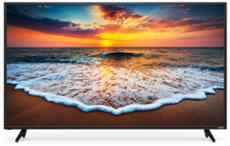
Founded in 2002 as V Inc. by Taiwanese-American entrepreneur William Wang, Laynie Newsome, and Ken Lowe, California-based Vizio is best known as a producer of affordable flat-screen televisions.
It has now become the largest LCD TV seller by volume in North America.
Vizio also manufactures other audio/video equipment such as High Definition Surround Sound systems, LCD monitors and HDTV accessories.

























