Britain set to exit EU on 31 Jan as lawmakers approve Brexit deal
10 Jan 2020
1
British lawmakers finally approved a legislation which will allow the country to exit the European Union by the month-end, three years after the landmark referendum that paved the way for Brexit.
The House of Commons on Thursday voted 330 against 231 to pass the Withdrawal Agreement Bill, which sets the terms of Britain's departure from the 28-nation bloc.
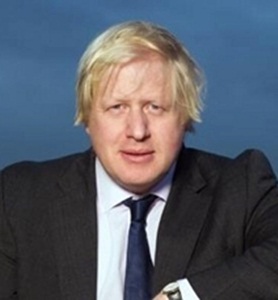
Prime Minister Boris Johnson's Conservative Party had ensured a comfortable majority backing for the Brexit deal after last month’s election to parliament.
The legislation, approved after three days of wrangling, now has to pass through Parliament's unelected House of Lords - which can delay but not overturn the decision of the lower House. The bill now only needs approval by the European Parliament to become effective.
Brexit Secretary Stephen Barclay said he welcomed the "constructive scrutiny'' of the Lords but hoped the upper house would not try to delay the bill.
"I have no doubt that their lordships will have heard the resounding message from the British people on the 12th of December,'' he said.
For Prime Minister Johnson who made Brexit delivering the main plank of his election win, Thursday's vote was a major victory.
Johnson’s problems won’t end with the Brexit as planned on 31 January. It will only help start negotiations on Britain’s future relationship with the EU, which may extend to the year-end.
"Leaving the EU doesn't mean that we will have got Brexit done,'' said Paul Blomfield, a Brexit spokesman for the main opposition Labour Party. "We'll have completed the first step, departure, but the difficult stage is yet to come."
Michel Barnier, the EU's chief Brexit negotiator, said Thursday that Britain's goal of striking a full free trade agreement by the end-of-year deadline that Johnson insists on was unrealistic.
"We cannot expect to agree on every aspect of this new partnership,'' Barnier said, adding "we are ready to do our best in the 11 months.''
Johnson has ruled out extending a post-Brexit transition period agreed by the two sides beyond the end of 2020, although the EU has offered to prolong it until 2022.
The two sides will have to strike deals on everything from trade in goods and services to fishing, aviation, medicines and security. The EU says that with conflicting demands, it may require more than a year to deal with all these issues.
That, perhaps, could leave Britain with a "no-deal'' Brexit at the start of 2021.