Researchers find genes behind aggressive endometrial cancer
By By Karen N. Peart | 29 Jan 2013
In a major breakthrough for uterine serous carcinoma (USC) - a chemo-resistant, aggressive form of endometrial cancer, Yale researchers have defined the genetic landscape of USC tumours, findings that point to new treatment opportunities.
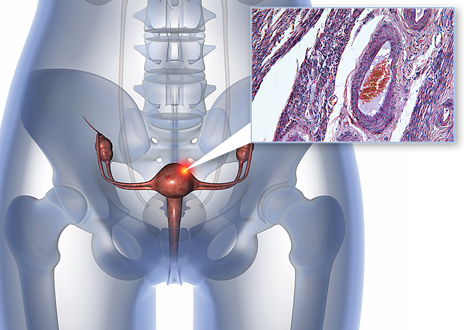 The collaborative team - which included researchers with expertise in gynecological cancer, genomics, and computational biology - identified a number of new genes that are frequently mutated in USC. The results of this comprehensive genetic analysis of USC have been published in the 28 January Proceedings of the National Academy of Science (PNAS) online early edition. The researchers were supported as part of a collaborative program with Gilead Sciences, Inc.
Endometrial cancer is the most prevalent gynecologic tumour in women, with over 47,000 newly diagnosed cases and about 8,000 deaths in 2012 in the United States alone. Patients with type I endometrial cancer tumours generally have a good outcome, but those with type II, or USC, have more relapses and deaths, and the disease is more aggressive.
''We have clearly identified the mutations that are responsible for USC tumours,'' says senior author of the study Dr. Alessandro Santin, professor of obstetrics, gynecology and reproductive sciences at Yale School of Medicine, and programme leader of the gynecological cancers research programme at Smilow Cancer Hospital at Yale-New Haven and a member of Yale Cancer Center. ''In addition to a number of well-known cancer genes, we found three genes that had not previously been associated with cancer that are found in these tumours. This finding points to new pathways that could be important in developing therapies down the road.''
The team collected tumours from 57 women affected with USC to try to determine the molecular basis of the tumour's aggressive behaviour. They sequenced all the genes from the tumours and identified mutations that are crucial for these tumours to grow. The team also studied the copy number variations - genes that are not mutated but are amplified in the tumours to give them a growth advantage over normal tissues.
The newly-identified cancer-related genes included two - CHD4 and MBD3 - that are found in the same protein complex and play a role in remodeling the genome to allow certain regions to be turned on and off. The discovery of a third gene, TAF1, was a surprise to researchers because it is a core component of the machinery responsible for transcribing a large fraction of the protein coding genes in the human genome.