Drought causes vast areas of California’s Central Valley to sink faster than ever: Nasa
20 Aug 2015
Vast areas of California's Central Valley are sinking faster than ever before with massive amounts of groundwater being pumped out during the historic drought, state officials pointed out yesterday, citing new research by NASA scientists.
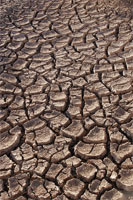 The data showed the ground was sinking nearly two inches each month in certain areas, putting roads, bridges and vital canals that delivered water throughout the state at increased risk of damage.
The development was not new and had been reported for decades in the state, due to excessive groundwater pumping during dry years. However the new data revealed it was happening faster as the state endured its fourth year of drought.
"We are pumping at historic levels," said Mark Cowin, head of the California Department of Water Resources, AP reported. He added that groundwater levels were dropping to record lows- up to 100 feet lower than previously recorded.
Scientists at NASA's Jet Propulsion Laboratory used images taken over time from satellites and airplanes for the research.
California had been the US' leading agriculture state, but drought had put a-fifth more land out of production this year than last year.
The state passed historic legislation last year that required monitoring of groundwater pumping, however, local officials had until 2020 and in some cases until 2022 to write their management plans, so it could take another decade or two before California had a handle on groundwater use, according to Cowin.
"I don't think we can end overdraft or subsidence overnight," he said. "We do need to take action."
In certain places, the land had sunk between 3 and 7 inches along the California Aqueduct and over a foot east of Avenal. There was also subsidence between 1 and 3 inches in areas around Sacramento.
According to NASA Jet Propulsion Lab radar scientist Dr Cathleen Jones the sinking was already doing damage to canals, roads and bridges that could get worse, but the data could be put to work.
"You can now pinpoint better where you need to do your repairs, so you can take your maintenance times and use them more effectively," Dr Jones said kogo.com reported.
Another concern about subsidence was that some areas would not recover when the groundwater filled back in. The State Department of Water Resources would use the report to help local agencies, who were required now by law to manage groundwater, to minimize it in the future.
The Department of Water Resources also pointed out that it could actually damage the wells people were digging deeper and deeper to make it through the drought.

























