China devalues yuan to boost sagging exports
11 Aug 2015
China today announced a surprise devaluation of the yuan, making the already cheap imports from that country cheaper still and giving Indian manufactures the jitters over a possible flood of imports from that country.
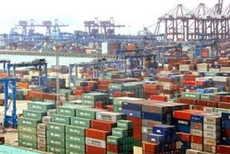 The two per cent reduction in the value of the yuan, announced by China's central bank, the People's Bank of China, on Tuesday, raises the spectre of a currency war amidst still strong Chinese exports.
The Chinese move sent global stocks tumbling as a stronger dollar hurt commodity markets.
Meant to support flagging economic growth in China, the devaluation of the yuan will further dent the competitiveness of Indian exports as Chinese goods become cheaper on the back of a reduction in the currency value.
Tata Steel Ltd, India's top steel producer in the private sector, said import pressures on the its Indian and European steel business could intensify following the devaluation of the yuan, as a flood of cheap imports from China continues to impact profitability.
Tata Steel has already been hit by a slowdown in China and a devaluation of the Russian rouble over the past few quarters.
Those factors further pressed global steel prices, squeezing margins in Europe and India, its key markets.
China, a top export market for euro zone companies, devalued its currency on the back of poor economic data.
The Indian rupee tumbled to hit a 2-month closing low, down 32 paise at Rs64.19 against the US dollar.
China, the world's second-largest economy, has long resisted calls by international trade partners to free up the exchange rate and allow the yuan to strengthen, reflecting growth. But, instead, it decided to support its own flagging economic growth.
This will drive up India's trade deficit Chinese goods become cheaper, aided by a weaker currency.
Alternatively, the devaluation of the yuan will weaken commodities further and push down prices, which will help India.
The value of the rupee, which has been steadily deteriorating, is expected to reach 64.50 to the dollar by December-end.
A devalued yuan will also make China more attractive for investors and it could have an impact on FDI if China becomes a more attractive destination vis-a-vis India.